THE ADVENTURE COLLECTIVE® · Independent discovery and booking for outdoor travel

Mount a camel at dawn or dusk and circle the base of the Great Pyramids on a two‑hour desert ride. This guided experience pairs dramatic light with easygoing terrain and hotel transfers for a straightforward way to meet the Giza Plateau.
Mount a camel at dawn or dusk and circle the base of the Great Pyramids on a two‑hour desert ride. This guided experience pairs dramatic light with easygoing terrain and hotel transfers for a straightforward way to meet the Giza Plateau.
The desert pulls a pale light across the limestone blocks as you climb onto a patient dromedary. Sand rubs against saddle leather; the pyramids loom low and enormous, their edges catching gold at sunrise or amber at sunset. For two hours you move through the Giza Plateau with the Great Pyramid, Khafre and Menkaure keeping a silent, ancient pace beside you.
Verified experiences and guided adventures in the surrounding area.
Operated by Horus Travel Service · Giza, Giza Governorate
The desert pulls a pale light across the limestone blocks as you climb onto a patient dromedary. Sand rubs against saddle leather; the pyramids loom low and enormous, their edges catching gold at sunrise or amber at sunset. For two hours you move through the Giza Plateau with the Great Pyramid, Khafre and Menkaure keeping a silent, ancient pace beside you.
This stretch of the Sahara fringe is layered history: Pharaonic necropolises built on uplifted bedrock that records millennia of Nile-fed civilization. The stones themselves are quarried limestone and granite, marked by ancient masonry techniques that made the Great Pyramid the tallest man-made structure for nearly 4,000 years. Local Bedouin culture and modern Egyptian tourism coexist here, with camel handlers who follow generations-old care practices while guiding visitors safely around the plateau.
Practically, the two-hour ride is low-impact—suitable for most travelers—but expect sandy, uneven footing when mounting and dismounting. Tours typically include hotel pickup and bottled water; horses are offered if camels feel intimidating. Sunrise trips bring cooler temperatures and softer light for photography; sunset rides deliver dramatic silhouettes and longer shadows.
Bring sun protection and sturdy shoes, plan for 4 hours door-to-door with transfers, and allow extra time if you want to explore the Solar Boat Museum or the plateau viewpoints afterward. Respect the site: do not climb the pyramids, follow your guide, and minimize plastic waste. A camel ride here is as much about rhythm and scale as it is about sight—slow, tactile, and unmistakably Egyptian.
No — this ride circles the base of the pyramids and provides views from the plateau; museum or pyramid entry tickets are separate and can be arranged independently.
Yes — camels used in tourist rides are trained and guided by experienced handlers; horses are usually offered if camels feel uncomfortable.
Most operators include hotel pickup and return in Cairo or Giza; confirm your pickup location and time when booking.
Sunrise offers softer light and fewer visitors; sunset creates dramatic silhouettes but can be busier—choose based on light and convenience.
Horus Travel Service operates guided outdoor trips and adventures with an emphasis on safety, stewardship, and memorable experiences.

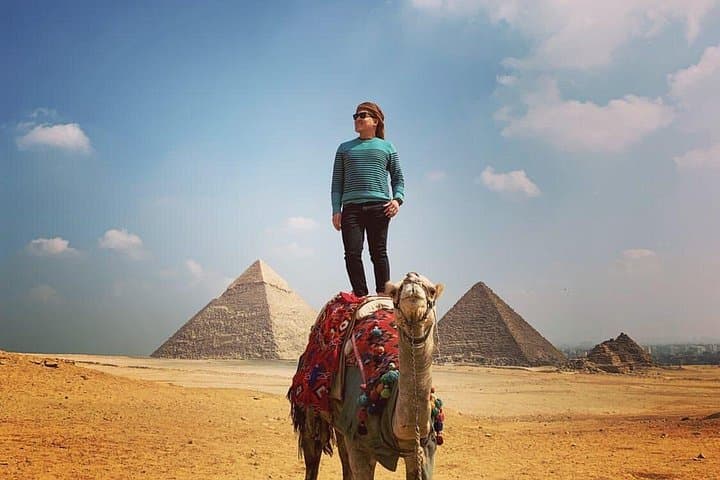

The desert pulls a pale light across the limestone blocks as you climb onto a patient dromedary. Sand rubs against saddle leather; the pyramids loom low and enormous, their edges catching gold at sunrise or amber at sunset. For two hours you move through the Giza Plateau with the Great Pyramid, Khafre and Menkaure keeping a silent, ancient pace beside you.
The desert pulls a pale light across the limestone blocks as you climb onto a patient dromedary. Sand rubs against saddle leather; the pyramids loom low and enormous, their edges catching gold at sunrise or amber at sunset. For two hours you move through the Giza Plateau with the Great Pyramid, Khafre and Menkaure keeping a silent, ancient pace beside you.
This stretch of the Sahara fringe is layered history: Pharaonic necropolises built on uplifted bedrock that records millennia of Nile-fed civilization. The stones themselves are quarried limestone and granite, marked by ancient masonry techniques that made the Great Pyramid the tallest man-made structure for nearly 4,000 years. Local Bedouin culture and modern Egyptian tourism coexist here, with camel handlers who follow generations-old care practices while guiding visitors safely around the plateau.
Practically, the two-hour ride is low-impact—suitable for most travelers—but expect sandy, uneven footing when mounting and dismounting. Tours typically include hotel pickup and bottled water; horses are offered if camels feel intimidating. Sunrise trips bring cooler temperatures and softer light for photography; sunset rides deliver dramatic silhouettes and longer shadows.
Bring sun protection and sturdy shoes, plan for 4 hours door-to-door with transfers, and allow extra time if you want to explore the Solar Boat Museum or the plateau viewpoints afterward. Respect the site: do not climb the pyramids, follow your guide, and minimize plastic waste. A camel ride here is as much about rhythm and scale as it is about sight—slow, tactile, and unmistakably Egyptian.