THE ADVENTURE COLLECTIVE® · Independent discovery and booking for outdoor travel

Explore Gjirokastër’s stone streets and fortress, then cool off at the karst spring known as the Blue Eye. This full-day trip from Sarandë pairs cultural history with striking natural geology.
Explore Gjirokastër’s stone streets and fortress, then cool off at the karst spring known as the Blue Eye. This full-day trip from Sarandë pairs cultural history with striking natural geology.
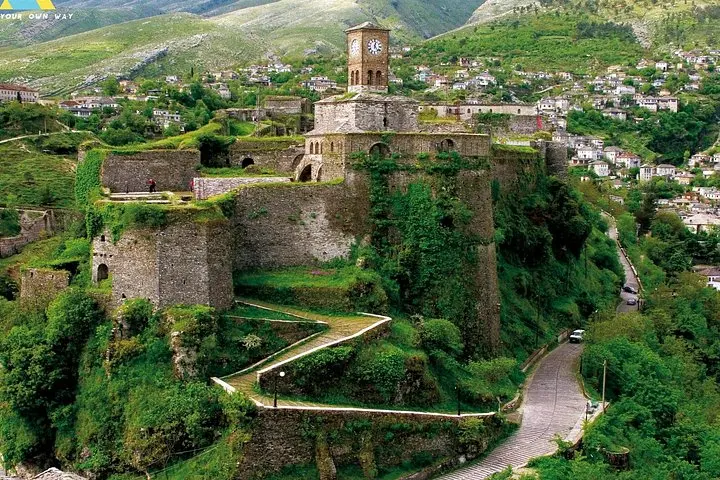
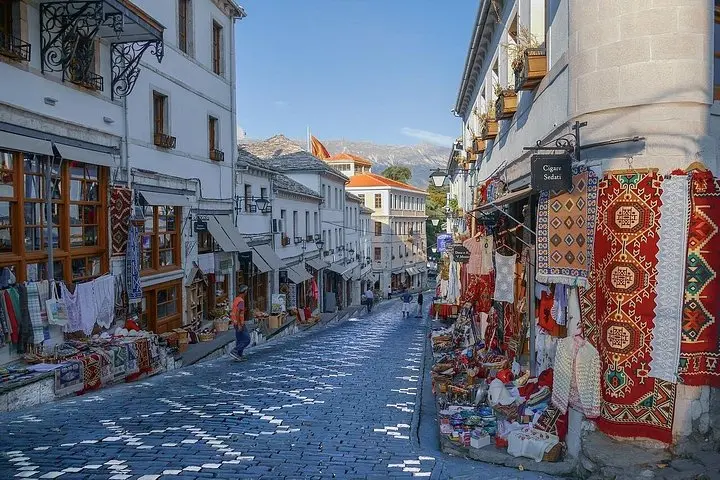
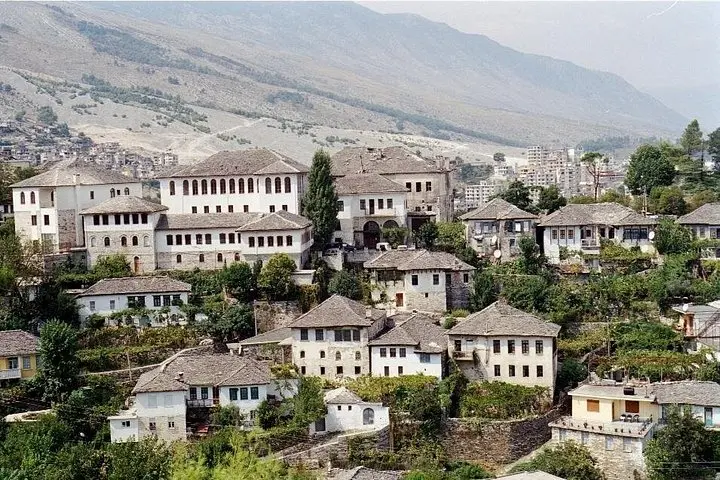
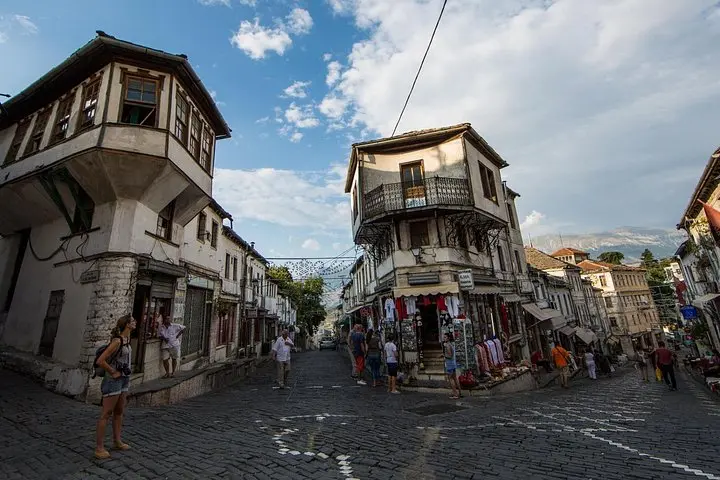
You step off the coastal road and the town climbs: white stone roofs clack together like scales, the castle above cutting a clean silhouette against the inland light. A professional guide leads you through narrow, cobbled streets where shutters swing and kitchen smoke threads the air — the city feels lived-in, not staged.
Verified experiences and guided adventures in the surrounding area.
Operated by Rei Tours · Gjirokastër, Gjirokastër County
You step off the coastal road and the town climbs: white stone roofs clack together like scales, the castle above cutting a clean silhouette against the inland light. A professional guide leads you through narrow, cobbled streets where shutters swing and kitchen smoke threads the air — the city feels lived-in, not staged.
Gjirokastër’s architecture dates to Ottoman and Byzantine periods; its fortified houses, with thick stone walls and wooden balconies, were both family homes and defensive structures. The castle, sitting on a limestone spur, offers views down a valley shaped by tectonic uplift and ancient river action. Contrast that built history with Syri i Kaltër — the Blue Eye — a karst spring bubbling from a forested hollow where groundwater presses up through limestone, producing an impossible turquoise pool.
Culturally, Gjirokastër is an Albanian museum-city: bazaars that once served regional caravans, workshops where silversmithing survives, and small museums that trace 20th-century history and folk life. The Blue Eye park gives a different rhythm: the current seems to dare you closer, and the forest pushes a cooler breath into hot afternoons.
Practical guidance: expect 6–7 hours on a shared day tour from Sarandë with multiple short stops and 30–60 minute visits per site. Wear sturdy walking shoes for uneven cobbles and a light layer for breezy castle ramparts. Bring water, sun protection for summer, and waterproof shoes if recent rains have swollen streams. The route is accessible by air-conditioned minibus; entrances are usually included, but check whether seasonal park closures affect access. Time your visit early or late in the day to avoid mid-afternoon crowds at the Blue Eye.
The full-day shared tour runs about 6–7 hours (360–420 minutes) including transport and site visits.
Most organized day tours include standard entrance fees, but check your booking details to confirm.
Yes; the itinerary is rated easy and suitable for most fitness levels, though there are stairs and uneven surfaces.
Tours typically pick up and drop off in Sarandë; private pickup points can be arranged within the town.
Rei Tours operates guided outdoor trips and adventures with an emphasis on safety, stewardship, and memorable experiences.
You step off the coastal road and the town climbs: white stone roofs clack together like scales, the castle above cutting a clean silhouette against the inland light. A professional guide leads you through narrow, cobbled streets where shutters swing and kitchen smoke threads the air — the city feels lived-in, not staged.
You step off the coastal road and the town climbs: white stone roofs clack together like scales, the castle above cutting a clean silhouette against the inland light. A professional guide leads you through narrow, cobbled streets where shutters swing and kitchen smoke threads the air — the city feels lived-in, not staged.
Gjirokastër’s architecture dates to Ottoman and Byzantine periods; its fortified houses, with thick stone walls and wooden balconies, were both family homes and defensive structures. The castle, sitting on a limestone spur, offers views down a valley shaped by tectonic uplift and ancient river action. Contrast that built history with Syri i Kaltër — the Blue Eye — a karst spring bubbling from a forested hollow where groundwater presses up through limestone, producing an impossible turquoise pool.
Culturally, Gjirokastër is an Albanian museum-city: bazaars that once served regional caravans, workshops where silversmithing survives, and small museums that trace 20th-century history and folk life. The Blue Eye park gives a different rhythm: the current seems to dare you closer, and the forest pushes a cooler breath into hot afternoons.
Practical guidance: expect 6–7 hours on a shared day tour from Sarandë with multiple short stops and 30–60 minute visits per site. Wear sturdy walking shoes for uneven cobbles and a light layer for breezy castle ramparts. Bring water, sun protection for summer, and waterproof shoes if recent rains have swollen streams. The route is accessible by air-conditioned minibus; entrances are usually included, but check whether seasonal park closures affect access. Time your visit early or late in the day to avoid mid-afternoon crowds at the Blue Eye.