THE ADVENTURE COLLECTIVE® · Independent discovery and booking for outdoor travel

Ride from Geneva into the high Alps for a day of cable cars, glacier views, and the Peak Walk suspension bridge—then unwind along Montreux’s lakeside promenade. This is a big, efficient circuit: dramatic alpine terrain, thin air, and a soft landing on the Vaud Riviera.
Ride from Geneva into the high Alps for a day of cable cars, glacier views, and the Peak Walk suspension bridge—then unwind along Montreux’s lakeside promenade. This is a big, efficient circuit: dramatic alpine terrain, thin air, and a soft landing on the Vaud Riviera.
Dawn slides across Lake Geneva as the coach pulls away from the city, the water keeping pace like a calm companion. Vineyards step down the hillsides of Lavaux, terraced rows that seem to march toward the lake. By the time the road tightens into switchbacks above Les Diablerets, the Alps are fully awake—ridges casting long shadows and the glacier breathing cold into the morning.
Verified experiences and guided adventures in the surrounding area.
Operated by Swisstours Transport · Les Diablerets, Vaud
Dawn slides across Lake Geneva as the coach pulls away from the city, the water keeping pace like a calm companion. Vineyards step down the hillsides of Lavaux, terraced rows that seem to march toward the lake. By the time the road tightens into switchbacks above Les Diablerets, the Alps are fully awake—ridges casting long shadows and the glacier breathing cold into the morning.
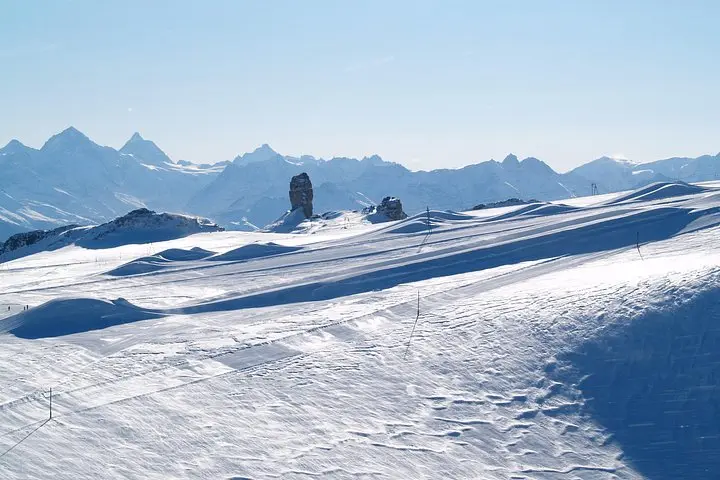
From Col du Pillon, a swift 15-minute cable car rises into clean, thin air. The cabins skim limestone walls and snowfields, and the landscape presses closer before suddenly falling away. At the top—Scex Rouge, 2,971 meters—the wind hustles along the ridgeline and Glacier 3000 sprawls to the horizon. On clear days, Mont Blanc and the Matterhorn take their places on the skyline, unhurried and watchful. The glacier makes a simple ask: move deliberately, respect the altitude, and look up often.
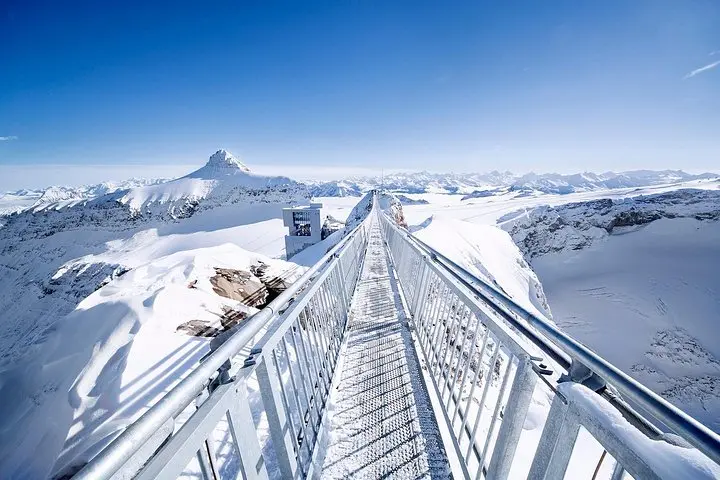
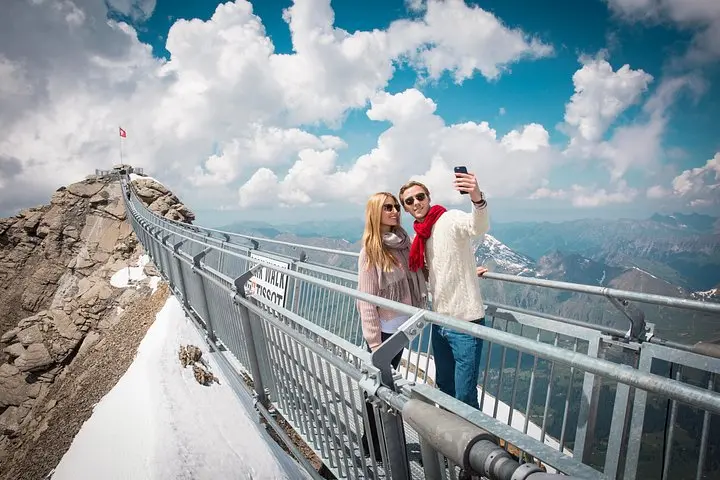
The Peak Walk by Tissot is the headline act: a 107-meter suspension bridge that links two summits, the only one of its kind. The bridge sways just enough to remind you the mountain decides the rhythm. Below, crevasses crease the ice; above, alpine choughs ride the thermals like it’s a game they never lose. In summer, the Fun Park offers sledding and the famed Alpine Coaster (operations vary by conditions); in winter, skiers trace crisp lines off the chairlift. Year-round, the panoramic terrace delivers the kind of view that steals silence from a group.
There’s substance behind the spectacle. These Vaud Alps are mostly ancient limestone, carved by the last ice ages into the cliffs and bowls you see from the terrace. The bridge opened in 2014, a modern thread stitched across an old seam of rock. Back down in the valley, Les Diablerets preserves its wooden-chalet character; the region’s namesake “little devils” nod to the mountain’s volatile moods—avalanches and rockfall once haunted the passes here.
The day’s pace eases in Montreux, where palms and Belle Époque facades frame the promenade. Here the lake softens the climate, and the city leans into its musical lineage—Queen recorded at Mountain Studios, and the bronze Freddie Mercury statue looks out over the water as if daring the breeze to slow. It’s a fitting cooldown after hours above the tree line.
Plan for a long day (10–12 hours). Bring layers—wind can sprint across the ridge even in July. The bridge and walkways are short but exposed; grippy footwear matters on packed snow and ice. Check lift status before you go; weather can pause operations. And hydrate more than feels necessary—altitude is subtle at first, then it asks for your attention.
It operates year-round but closes during high winds, storms, or maintenance. Check Glacier 3000’s live status the morning of your visit.
Temperatures are typically 10–20°C colder than Geneva, with wind chill making it feel colder. Even in summer, expect single-digit °C readings at times.
Yes, with supervision. The bridge has railings and non-slip grating, but it sways slightly and may feel exposed to those afraid of heights.
Yes. There’s a self-service area and restaurant at Scex Rouge, plus restrooms at both the base and summit stations.
If the cable car or bridge closes, guides adjust timing for Les Diablerets or Montreux. Tour providers typically follow standard refund/change policies for weather.
For the marked tourist areas, sturdy footwear is sufficient. Guided glacier travel beyond secured areas requires mountaineering equipment and a certified guide.
Swisstours Transport operates guided outdoor trips and adventures with an emphasis on safety, stewardship, and memorable experiences.
Dawn slides across Lake Geneva as the coach pulls away from the city, the water keeping pace like a calm companion. Vineyards step down the hillsides of Lavaux, terraced rows that seem to march toward the lake. By the time the road tightens into switchbacks above Les Diablerets, the Alps are fully awake—ridges casting long shadows and the glacier breathing cold into the morning.
Dawn slides across Lake Geneva as the coach pulls away from the city, the water keeping pace like a calm companion. Vineyards step down the hillsides of Lavaux, terraced rows that seem to march toward the lake. By the time the road tightens into switchbacks above Les Diablerets, the Alps are fully awake—ridges casting long shadows and the glacier breathing cold into the morning.
From Col du Pillon, a swift 15-minute cable car rises into clean, thin air. The cabins skim limestone walls and snowfields, and the landscape presses closer before suddenly falling away. At the top—Scex Rouge, 2,971 meters—the wind hustles along the ridgeline and Glacier 3000 sprawls to the horizon. On clear days, Mont Blanc and the Matterhorn take their places on the skyline, unhurried and watchful. The glacier makes a simple ask: move deliberately, respect the altitude, and look up often.
The Peak Walk by Tissot is the headline act: a 107-meter suspension bridge that links two summits, the only one of its kind. The bridge sways just enough to remind you the mountain decides the rhythm. Below, crevasses crease the ice; above, alpine choughs ride the thermals like it’s a game they never lose. In summer, the Fun Park offers sledding and the famed Alpine Coaster (operations vary by conditions); in winter, skiers trace crisp lines off the chairlift. Year-round, the panoramic terrace delivers the kind of view that steals silence from a group.
There’s substance behind the spectacle. These Vaud Alps are mostly ancient limestone, carved by the last ice ages into the cliffs and bowls you see from the terrace. The bridge opened in 2014, a modern thread stitched across an old seam of rock. Back down in the valley, Les Diablerets preserves its wooden-chalet character; the region’s namesake “little devils” nod to the mountain’s volatile moods—avalanches and rockfall once haunted the passes here.
The day’s pace eases in Montreux, where palms and Belle Époque facades frame the promenade. Here the lake softens the climate, and the city leans into its musical lineage—Queen recorded at Mountain Studios, and the bronze Freddie Mercury statue looks out over the water as if daring the breeze to slow. It’s a fitting cooldown after hours above the tree line.
Plan for a long day (10–12 hours). Bring layers—wind can sprint across the ridge even in July. The bridge and walkways are short but exposed; grippy footwear matters on packed snow and ice. Check lift status before you go; weather can pause operations. And hydrate more than feels necessary—altitude is subtle at first, then it asks for your attention.