THE ADVENTURE COLLECTIVE® · Independent discovery and booking for outdoor travel

Experience the rare pairing of rugged Inca Trail hiking and a luxury hotel night at Aguas Calientes. This five-day itinerary covers high Andean passes, cloud forests, and the sunrise approach to Machu Picchu with porter-supported camping and one celebratory glamping night.
Experience the rare pairing of rugged Inca Trail hiking and a luxury hotel night at Aguas Calientes. This five-day itinerary covers high Andean passes, cloud forests, and the sunrise approach to Machu Picchu with porter-supported camping and one celebratory glamping night.
Dawn breaks over thin mountain air as your group files out of the campsite, headlamps fading while cloud forest swallows the trail behind you. The path climbs in ribbon-like switchbacks, Andes peaks puncturing the horizon, and the trail’s stonework—hand-laid centuries ago—clicks under your boots. By late afternoon you’ll swap a cold-night camp for a five-star hotel at Aguas Calientes, a rare mix of raw trailwork and cultivated comfort.
Verified experiences and guided adventures in the surrounding area.
Operated by Inca Trek · Aguas Calientes, Cusco
Dawn breaks over thin mountain air as your group files out of the campsite, headlamps fading while cloud forest swallows the trail behind you. The path climbs in ribbon-like switchbacks, Andes peaks puncturing the horizon, and the trail’s stonework—hand-laid centuries ago—clicks under your boots. By late afternoon you’ll swap a cold-night camp for a five-star hotel at Aguas Calientes, a rare mix of raw trailwork and cultivated comfort.
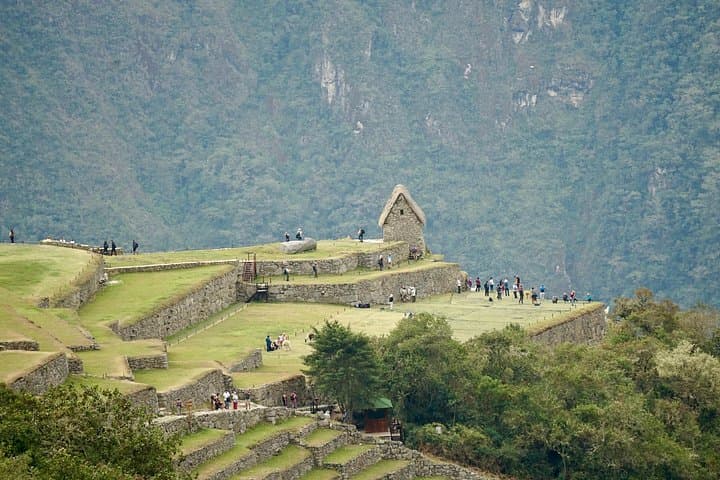
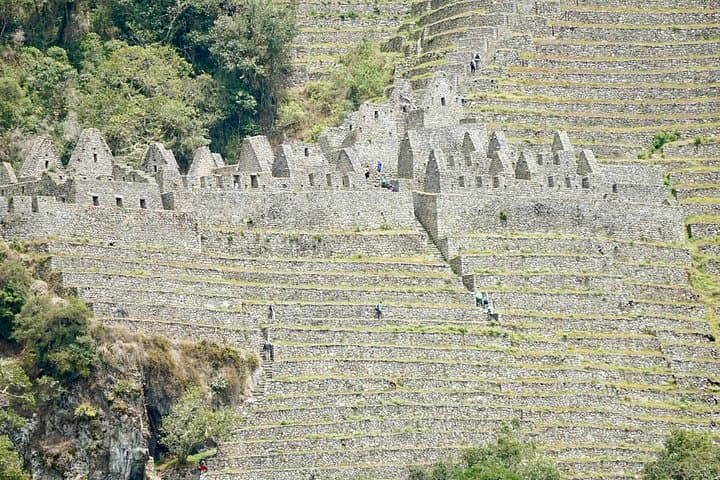
The Inca Trail is political and archaeological history underfoot: a pre-Columbian route linking Cusco with sacred sites, now tightly regulated by permits to protect fragile ruins and high-altitude ecosystems. Geologically the route rides a spine of uplifted volcanic and sedimentary rock, then descends into cloud forest where mosses and orchids claim the stones. Culturally, expect Quechua place names, Inca terraces and ceremonial platforms—Patallacta and Phuyupatamarca are tangible chapters along the way.
Practical details matter here. This itinerary covers roughly 45–50 km over five days with daily walking windows of 5–7 hours, and passes reaching about 4,200 m (13,776 ft). Nights 1–3 are tent camping (3-person North Face tents shared by two), night 4 is at a luxury hotel in Aguas Calientes. Porters and cooks manage camp logistics; you carry a daypack.
Plan to spend 2–3 days in Cusco to acclimatize, carry 2–3 liters of water, and use layered clothing for dramatic temperature swings. Trekking poles and good boots reduce impact on knees during steep descents. Respect permit limits, practice Leave No Trace, and book with licensed operators—the Inca Trail is legally controlled to preserve its archaeology and ecology.
Yes—the Inca Trail requires a government-issued permit and only licensed operators can obtain these; book well in advance, especially for peak months.
The highest passes reach about 4,200 m and involve long, steep climbs; expect thinner air and slower pace—allow time to rest and hydrate.
Yes—this itinerary includes a luxury hotel night in Aguas Calientes with hot showers and a celebration dinner before the final Machu Picchu visit.
No specific vaccinations are mandatory for the trail beyond routine travel shots; however, consult a travel clinic for altitude sickness strategies and bring a basic first-aid kit.
Inca Trek operates guided outdoor trips and adventures with an emphasis on safety, stewardship, and memorable experiences.

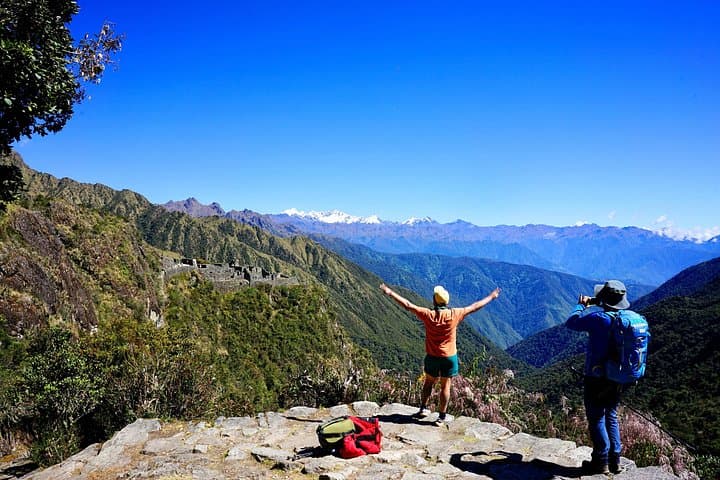
Dawn breaks over thin mountain air as your group files out of the campsite, headlamps fading while cloud forest swallows the trail behind you. The path climbs in ribbon-like switchbacks, Andes peaks puncturing the horizon, and the trail’s stonework—hand-laid centuries ago—clicks under your boots. By late afternoon you’ll swap a cold-night camp for a five-star hotel at Aguas Calientes, a rare mix of raw trailwork and cultivated comfort.
Dawn breaks over thin mountain air as your group files out of the campsite, headlamps fading while cloud forest swallows the trail behind you. The path climbs in ribbon-like switchbacks, Andes peaks puncturing the horizon, and the trail’s stonework—hand-laid centuries ago—clicks under your boots. By late afternoon you’ll swap a cold-night camp for a five-star hotel at Aguas Calientes, a rare mix of raw trailwork and cultivated comfort.
The Inca Trail is political and archaeological history underfoot: a pre-Columbian route linking Cusco with sacred sites, now tightly regulated by permits to protect fragile ruins and high-altitude ecosystems. Geologically the route rides a spine of uplifted volcanic and sedimentary rock, then descends into cloud forest where mosses and orchids claim the stones. Culturally, expect Quechua place names, Inca terraces and ceremonial platforms—Patallacta and Phuyupatamarca are tangible chapters along the way.
Practical details matter here. This itinerary covers roughly 45–50 km over five days with daily walking windows of 5–7 hours, and passes reaching about 4,200 m (13,776 ft). Nights 1–3 are tent camping (3-person North Face tents shared by two), night 4 is at a luxury hotel in Aguas Calientes. Porters and cooks manage camp logistics; you carry a daypack.
Plan to spend 2–3 days in Cusco to acclimatize, carry 2–3 liters of water, and use layered clothing for dramatic temperature swings. Trekking poles and good boots reduce impact on knees during steep descents. Respect permit limits, practice Leave No Trace, and book with licensed operators—the Inca Trail is legally controlled to preserve its archaeology and ecology.