THE ADVENTURE COLLECTIVE® · Independent discovery and booking for outdoor travel

Sleep on a windswept lawn beside the Pacific at Tanesashi Coast, where a chef serves full-course meals sourced from local producers. Walk the Michinoku Sea Breeze Trails, watch seabirds at dusk, and sleep under a wide northern sky.
Sleep on a windswept lawn beside the Pacific at Tanesashi Coast, where a chef serves full-course meals sourced from local producers. Walk the Michinoku Sea Breeze Trails, watch seabirds at dusk, and sleep under a wide northern sky.
You step from a low dune onto a wide green lawn where the sea keeps time—wave after wave audibly reminding you why this stretch is protected. The grass here is broad and cool underfoot; a chef's lantern glows at a table set with local seafood and mountain vegetables, and the Milky Way pulls itself into view as the coast exhales.
Verified experiences and guided adventures in the surrounding area.
Operated by AC ツーリズム · Hachinohe, Aomori Prefecture
You step from a low dune onto a wide green lawn where the sea keeps time—wave after wave audibly reminding you why this stretch is protected. The grass here is broad and cool underfoot; a chef's lantern glows at a table set with local seafood and mountain vegetables, and the Milky Way pulls itself into view as the coast exhales.
Tanesashi Coast sits on the Pacific edge of Aomori Prefecture, part of a national quasi-park known for its rocky headlands, pocket beaches and extensive natural grass plains formed by wave action and coastal winds. The shore has long supported fishing villages and seasonal pasture; today small producers supply kelp, clams and root vegetables to Hachinohe markets and, increasingly, to chefs crafting coastal menus.
Culturally the coast is quietly maritime—shrines, fishing markers and WWII-era bunkers are occasional waypoints along the Michinoku Sea Breeze Trail. Geologically the coastline alternates basalt outcrops and softer sedimentary benches, creating small coves and steady shorelines where grasses cling.
Practical guidance: this is a low-impact, serviced overnight—tents and meals are provided and a chef handles cooking. Expect strong sea breezes after sunset; layers and a windproof shell are essential. Trails nearby range from gentle shoreline walks to steeper ridge sections on the Michinoku route—allow time to walk at dusk for birdwatching and again after dark for star viewing. Respect designated fire areas and pack out any waste; public transport reaches the area but timing can be sparse—plan your arrival and departure in advance. With proper gear and consideration, glamping here balances comfort with real coastal wildness.
Yes; dinner (often a local BBQ or full-course meal prepared by a chef) and a healthy breakfast using regional ingredients are included.
The activity notes wheelchair accessibility and staff can assist, but check specific transport and terrain details when booking.
Service animals are allowed, but confirm policies for non-service pets with the operator before booking.
The operator may cancel for bad weather; their standard policy offers full refunds if canceled at least 24 hours prior or in severe conditions.
AC ツーリズム operates guided outdoor trips and adventures with an emphasis on safety, stewardship, and memorable experiences.
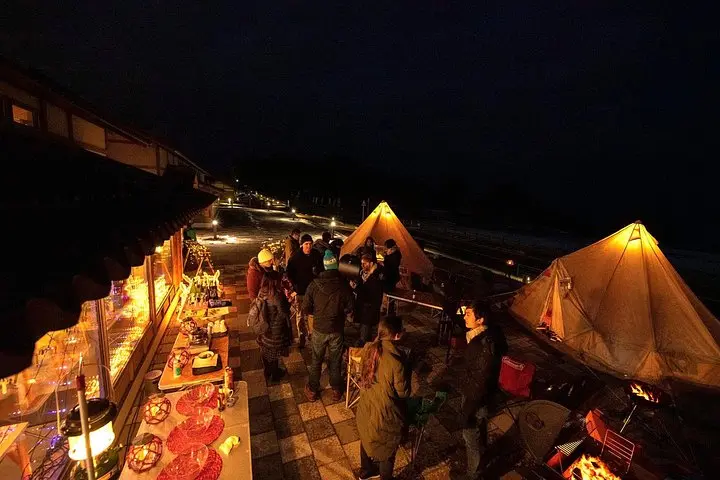
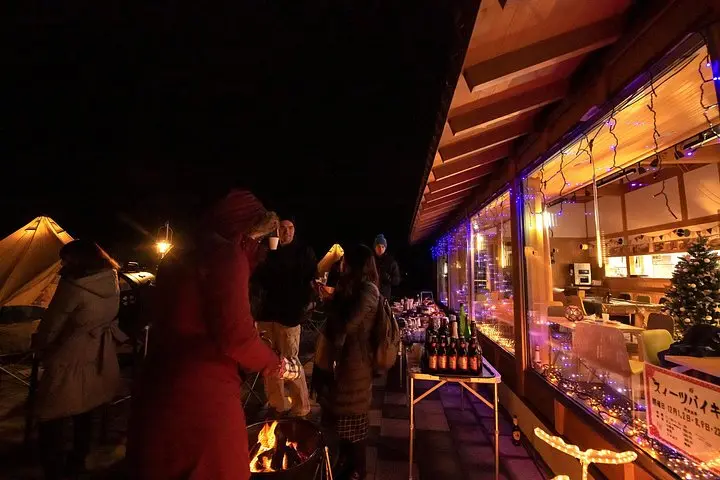
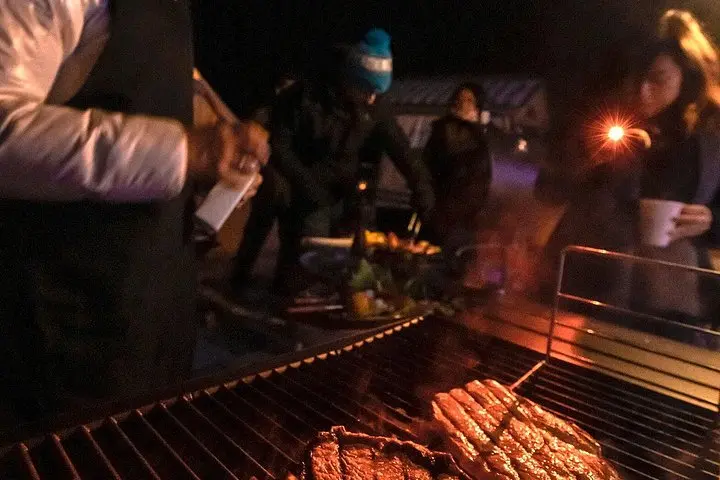
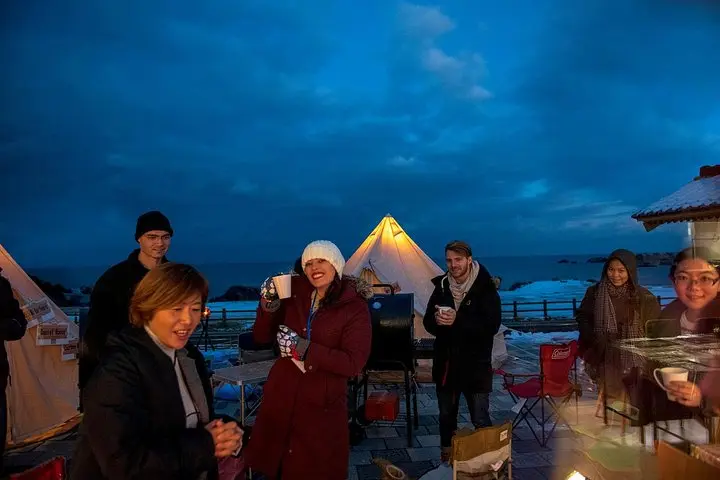
You step from a low dune onto a wide green lawn where the sea keeps time—wave after wave audibly reminding you why this stretch is protected. The grass here is broad and cool underfoot; a chef's lantern glows at a table set with local seafood and mountain vegetables, and the Milky Way pulls itself into view as the coast exhales.
You step from a low dune onto a wide green lawn where the sea keeps time—wave after wave audibly reminding you why this stretch is protected. The grass here is broad and cool underfoot; a chef's lantern glows at a table set with local seafood and mountain vegetables, and the Milky Way pulls itself into view as the coast exhales.
Tanesashi Coast sits on the Pacific edge of Aomori Prefecture, part of a national quasi-park known for its rocky headlands, pocket beaches and extensive natural grass plains formed by wave action and coastal winds. The shore has long supported fishing villages and seasonal pasture; today small producers supply kelp, clams and root vegetables to Hachinohe markets and, increasingly, to chefs crafting coastal menus.
Culturally the coast is quietly maritime—shrines, fishing markers and WWII-era bunkers are occasional waypoints along the Michinoku Sea Breeze Trail. Geologically the coastline alternates basalt outcrops and softer sedimentary benches, creating small coves and steady shorelines where grasses cling.
Practical guidance: this is a low-impact, serviced overnight—tents and meals are provided and a chef handles cooking. Expect strong sea breezes after sunset; layers and a windproof shell are essential. Trails nearby range from gentle shoreline walks to steeper ridge sections on the Michinoku route—allow time to walk at dusk for birdwatching and again after dark for star viewing. Respect designated fire areas and pack out any waste; public transport reaches the area but timing can be sparse—plan your arrival and departure in advance. With proper gear and consideration, glamping here balances comfort with real coastal wildness.