THE ADVENTURE COLLECTIVE® · Independent discovery and booking for outdoor travel

Start in George Square and walk three hours through Glasgow’s architectural and industrial history—from medieval Cathedral and the Necropolis to the River Clyde and Merchant City. This guided route blends hard facts with street-level stories and practical tips for a smooth urban exploration.
Start in George Square and walk three hours through Glasgow’s architectural and industrial history—from medieval Cathedral and the Necropolis to the River Clyde and Merchant City. This guided route blends hard facts with street-level stories and practical tips for a smooth urban exploration.
You step into George Square and the city exhales around you—statues and sandstone facades catching the morning light while trams and pedestrians set a restless tempo. Over the next three hours a guide threads stories through streets: medieval stone at the Cathedral, the melancholy rise of the Necropolis, and the confident Victorian lines of Buchanan Street.
Verified experiences and guided adventures in the surrounding area.
Operated by Guydeez · Glasgow, Scotland
You step into George Square and the city exhales around you—statues and sandstone facades catching the morning light while trams and pedestrians set a restless tempo. Over the next three hours a guide threads stories through streets: medieval stone at the Cathedral, the melancholy rise of the Necropolis, and the confident Victorian lines of Buchanan Street.
Glasgow’s bones are industrial: the River Clyde once pushed iron and steam to the world, and the city’s prosperity left a roster of grand civic buildings and merchant warehouses. The tour moves from ecclesiastical gothic to the elegant proportions of St Andrews in the Square, then into Merchant City where murals and cobbles speak to recent cultural reinvention. Geology shows in the sandstone blocks and the sculpted riverbanks; culture arrives in the cafés, accents, and the legacy of shipbuilding that shaped neighborhoods and labor traditions.
Practical guidance: expect 3 hours of mostly flat walking with short stair sections at the Necropolis; the pace is steady but accessible to most. Wear grippy shoes and a lightweight waterproof—Glasgow weather can change within a single cup of coffee. Carry a small daypack with water and a compact umbrella. The route is suitable for wheelchairs on primary streets but the Necropolis paths are uneven. Public transport and taxis are abundant if you leave early or linger at a museum.
This walking tour is best in morning light when façades read clearly and crowds are thinner—bring curiosity and comfortable shoes, and let the city’s layered history unfold as you move through it.
The tour starts at George Square in central Glasgow and finishes near Glasgow Green, with easy access to public transport and taxis.
This is a city walking tour and does not include paid admissions inside monuments; the guide can arrange ticket assistance upon request.
Main streets are wheelchair accessible but the Necropolis has uneven paths and limited access; contact the operator for specific assistance.
Guides are available in English, Spanish, French and Italian for private or small-group bookings.
Guydeez operates guided outdoor trips and adventures with an emphasis on safety, stewardship, and memorable experiences.
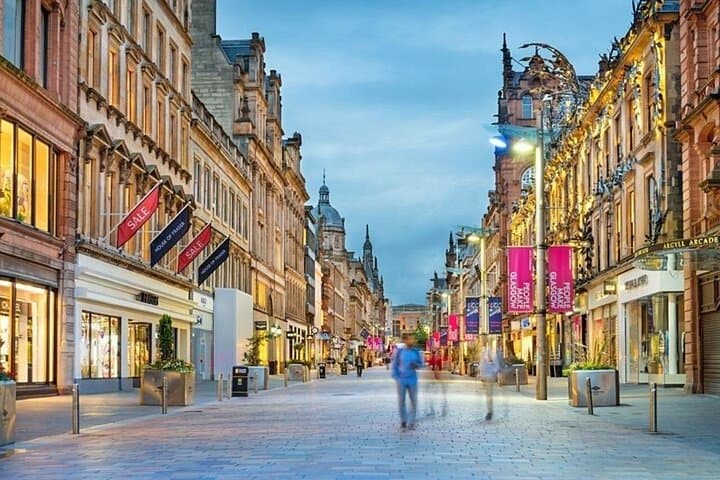
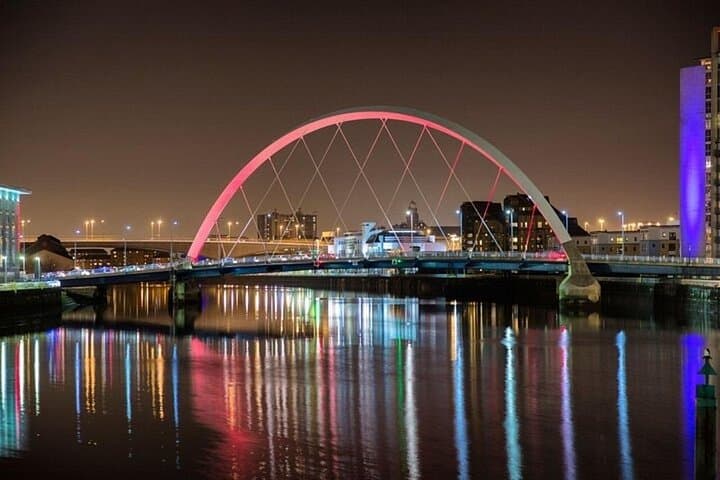
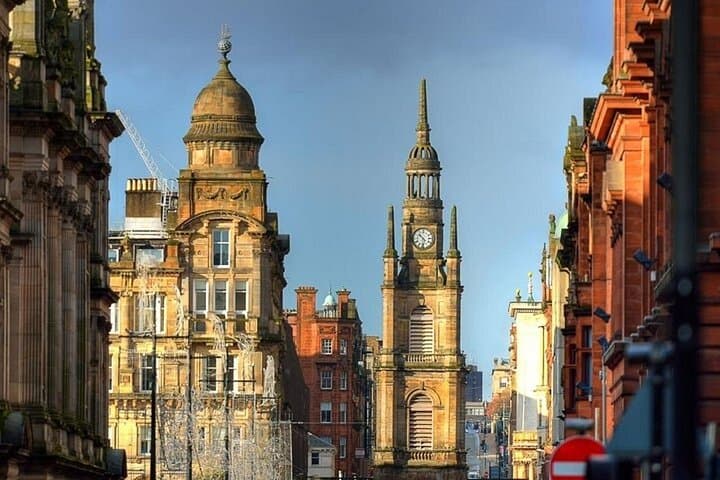
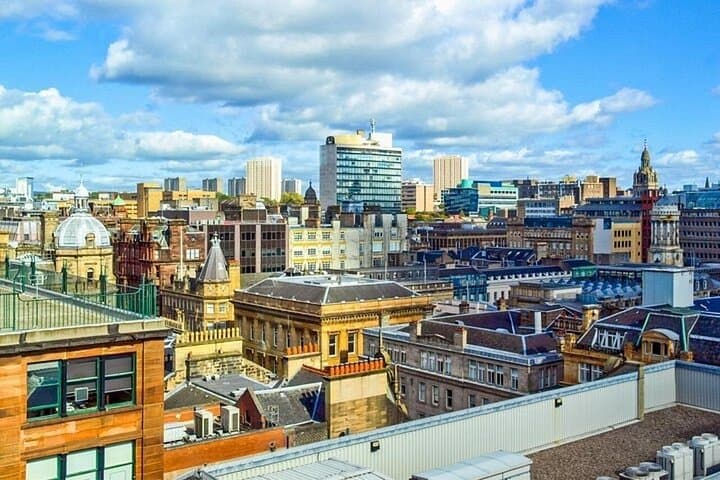
You step into George Square and the city exhales around you—statues and sandstone facades catching the morning light while trams and pedestrians set a restless tempo. Over the next three hours a guide threads stories through streets: medieval stone at the Cathedral, the melancholy rise of the Necropolis, and the confident Victorian lines of Buchanan Street.
You step into George Square and the city exhales around you—statues and sandstone facades catching the morning light while trams and pedestrians set a restless tempo. Over the next three hours a guide threads stories through streets: medieval stone at the Cathedral, the melancholy rise of the Necropolis, and the confident Victorian lines of Buchanan Street.
Glasgow’s bones are industrial: the River Clyde once pushed iron and steam to the world, and the city’s prosperity left a roster of grand civic buildings and merchant warehouses. The tour moves from ecclesiastical gothic to the elegant proportions of St Andrews in the Square, then into Merchant City where murals and cobbles speak to recent cultural reinvention. Geology shows in the sandstone blocks and the sculpted riverbanks; culture arrives in the cafés, accents, and the legacy of shipbuilding that shaped neighborhoods and labor traditions.
Practical guidance: expect 3 hours of mostly flat walking with short stair sections at the Necropolis; the pace is steady but accessible to most. Wear grippy shoes and a lightweight waterproof—Glasgow weather can change within a single cup of coffee. Carry a small daypack with water and a compact umbrella. The route is suitable for wheelchairs on primary streets but the Necropolis paths are uneven. Public transport and taxis are abundant if you leave early or linger at a museum.
This walking tour is best in morning light when façades read clearly and crowds are thinner—bring curiosity and comfortable shoes, and let the city’s layered history unfold as you move through it.