THE ADVENTURE COLLECTIVE® · Independent discovery and booking for outdoor travel

Walk the grounds where modern football was shaped: Queens Park, Cathkin and Hampden Park. This 2.5-hour guided route combines social history, ruined terraces and contemporary stadium lore — ideal for fans and curious travelers.
Walk the grounds where modern football was shaped: Queens Park, Cathkin and Hampden Park. This 2.5-hour guided route combines social history, ruined terraces and contemporary stadium lore — ideal for fans and curious travelers.
The tour begins on a busy Glasgow street and quickly opens into green playing fields where the echoes of early matches still feel audible. You move from the tidy pitches of Queens Park Recreation Ground to the ghost terraces of Cathkin Park, finishing beneath the floodlights of modern Hampden Park — a compact arc of places that map the modern passing game.
Verified experiences and guided adventures in the surrounding area.
Operated by Glasgow Football Tour · Glasgow, Scotland
The tour begins on a busy Glasgow street and quickly opens into green playing fields where the echoes of early matches still feel audible. You move from the tidy pitches of Queens Park Recreation Ground to the ghost terraces of Cathkin Park, finishing beneath the floodlights of modern Hampden Park — a compact arc of places that map the modern passing game.
Scotland’s contribution to football is the thread that runs through the route: the formation of organised clubs, the shift from dribbling to passing, and the municipal spaces that became prototypes for grounds worldwide. Cathkin’s abandoned concrete terraces and the Hampden murals are physical chapters; the Hampden Bowling Club marks the earliest formal ground. Local guides stitch in social history — working-class clubs, wartime matches, and the boom of international fixtures — while pointing out how urban planning and Victorian leisure culture shaped these sites.
Expect two and a half hours of steady walking on paved streets and park paths, with frequent stops for stories and photos. Guides are knowledgeable and the pace is accessible to most fitness levels; the route is wheelchair-accessible in key places though some heritage sites have uneven surfaces. Public transport serves start and finish points; bring waterproof layers and sturdy shoes — Glasgow weather can change fast.
Practical tips: arrive 10 minutes early, carry a compact umbrella, and download offline maps in case cell service dips under stadium walls. This tour suits history-minded travelers and football fans who want the tangible context behind the beautiful game’s development.
The tour lasts about 2.5 hours and covers roughly 2–3 miles of walking between sites with frequent stops.
Yes — the tour is family-friendly and listed as wheelchair-accessible in key areas, though some historic sites have uneven ground.
No — the tour focuses on exteriors, murals and historic sites; any museum or stadium interior entry is not included unless specified.
Tours may be cancelled for severe weather; in light rain they continue, so bring waterproof layers.
Glasgow Football Tour operates guided outdoor trips and adventures with an emphasis on safety, stewardship, and memorable experiences.
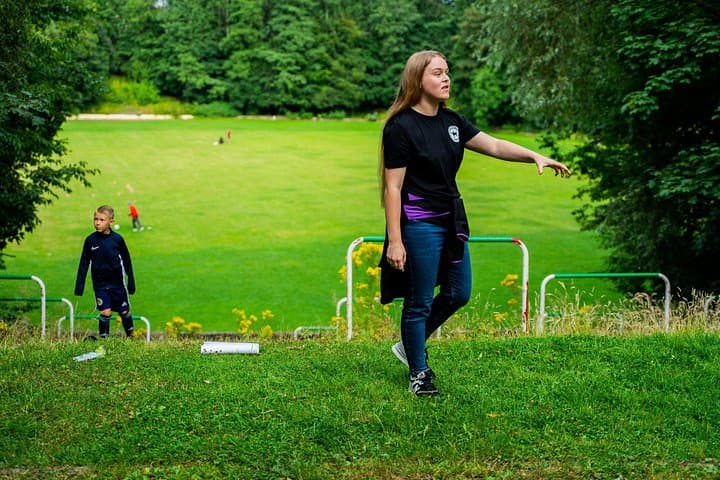


The tour begins on a busy Glasgow street and quickly opens into green playing fields where the echoes of early matches still feel audible. You move from the tidy pitches of Queens Park Recreation Ground to the ghost terraces of Cathkin Park, finishing beneath the floodlights of modern Hampden Park — a compact arc of places that map the modern passing game.
The tour begins on a busy Glasgow street and quickly opens into green playing fields where the echoes of early matches still feel audible. You move from the tidy pitches of Queens Park Recreation Ground to the ghost terraces of Cathkin Park, finishing beneath the floodlights of modern Hampden Park — a compact arc of places that map the modern passing game.
Scotland’s contribution to football is the thread that runs through the route: the formation of organised clubs, the shift from dribbling to passing, and the municipal spaces that became prototypes for grounds worldwide. Cathkin’s abandoned concrete terraces and the Hampden murals are physical chapters; the Hampden Bowling Club marks the earliest formal ground. Local guides stitch in social history — working-class clubs, wartime matches, and the boom of international fixtures — while pointing out how urban planning and Victorian leisure culture shaped these sites.
Expect two and a half hours of steady walking on paved streets and park paths, with frequent stops for stories and photos. Guides are knowledgeable and the pace is accessible to most fitness levels; the route is wheelchair-accessible in key places though some heritage sites have uneven surfaces. Public transport serves start and finish points; bring waterproof layers and sturdy shoes — Glasgow weather can change fast.
Practical tips: arrive 10 minutes early, carry a compact umbrella, and download offline maps in case cell service dips under stadium walls. This tour suits history-minded travelers and football fans who want the tangible context behind the beautiful game’s development.