THE ADVENTURE COLLECTIVE® · Independent discovery and booking for outdoor travel

Stay dry while the Red Sea performs below: a three-hour glass-bottom cruise from Sharm El Sheikh brings coral gardens and colorful fish into view with private hotel pickup. Ideal for families and anyone curious about reef life without snorkeling.
Stay dry while the Red Sea performs below: a three-hour glass-bottom cruise from Sharm El Sheikh brings coral gardens and colorful fish into view with private hotel pickup. Ideal for families and anyone curious about reef life without snorkeling.
The boat hums away from the jetty and the Red Sea pulls into view: glass panels reveal a neon world of coral heads and darting fish, the water daring you to lean closer while you stay bone-dry. On a clear morning in Sharm El Sheikh the sun threads light through the sea, outlining branching coral and the slow flutters of angelfish.
Verified experiences and guided adventures in the surrounding area.
Operated by Camel Ride at Giza Pyramids · Sharm El Sheikh, South Sinai
The boat hums away from the jetty and the Red Sea pulls into view: glass panels reveal a neon world of coral heads and darting fish, the water daring you to lean closer while you stay bone-dry. On a clear morning in Sharm El Sheikh the sun threads light through the sea, outlining branching coral and the slow flutters of angelfish.
This short cruise sits within a long maritime story — the Sinai coast has been a crossroads for sailors, traders and naturalists for millennia. Geologically the Red Sea is a young rift basin, its reefs built on volcanic and sedimentary foundations; culturally, local Bedouin communities and coastal towns have long made their living from the sea.
Practical details matter: the trip runs about three hours with private pickup and drop-off, and the viewing window offers uninterrupted reef encounters without getting wet. Expect flat, stable decking, shaded seating and snack service. Photography through glass benefits from polarizing filters and a steady hand; light angles change rapidly as the boat moves.
Timing makes the trip: mornings usually mean calmer water and clearer visibility; late afternoon gives warmer tones but more boat traffic. Conservation is visible and topical — reefs here face warming and human pressure, so operators emphasize no-touch rules and reef-safe practices.
For travelers who want a low-impact marine encounter, the glass-bottom boat is an efficient, accessible way to see the Red Sea’s living coral gardens. Bring sun protection, a camera in a waterproof sleeve, and a curiosity for the underwater life playing out beneath your feet.
Yes; the boat is family-friendly and stays dry, though infants should sit on laps as required and parents should supervise near rails.
This specific experience focuses on glass-bottom viewing and does not include snorkeling; operators sometimes offer alternate snorkel excursions if booked separately.
Many operators provide accessible boarding and stable decks, but confirm accessibility needs at booking as facilities vary by vessel and jetty.
Full refunds are typically available if you cancel at least 24 hours before departure; check your booking confirmation for exact terms.
Camel Ride at Giza Pyramids operates guided outdoor trips and adventures with an emphasis on safety, stewardship, and memorable experiences.
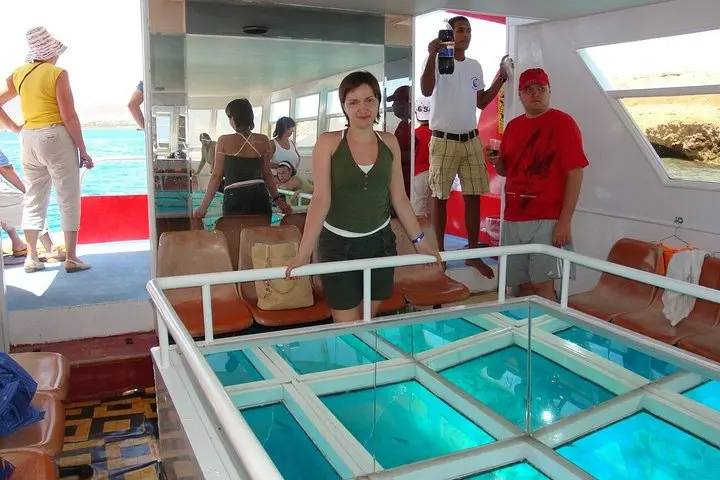
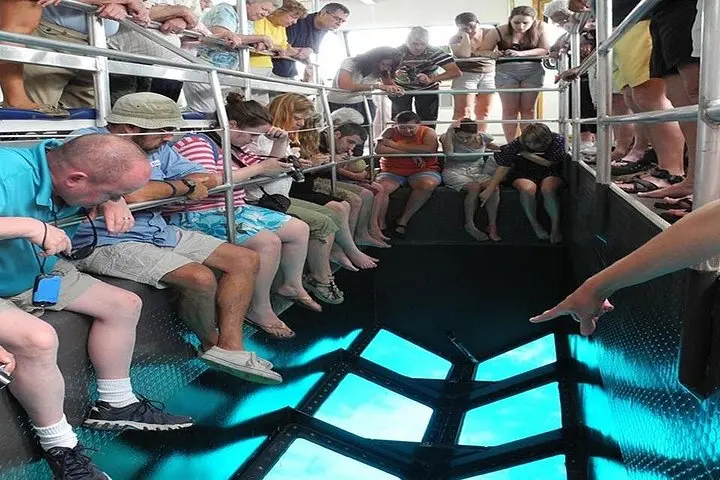

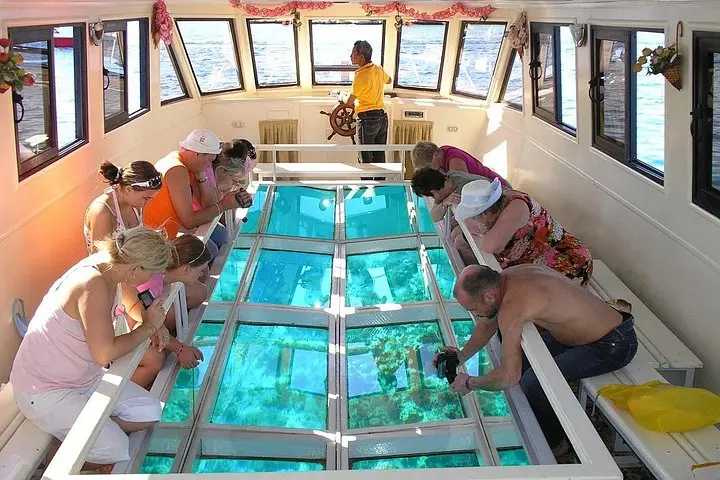
The boat hums away from the jetty and the Red Sea pulls into view: glass panels reveal a neon world of coral heads and darting fish, the water daring you to lean closer while you stay bone-dry. On a clear morning in Sharm El Sheikh the sun threads light through the sea, outlining branching coral and the slow flutters of angelfish.
The boat hums away from the jetty and the Red Sea pulls into view: glass panels reveal a neon world of coral heads and darting fish, the water daring you to lean closer while you stay bone-dry. On a clear morning in Sharm El Sheikh the sun threads light through the sea, outlining branching coral and the slow flutters of angelfish.
This short cruise sits within a long maritime story — the Sinai coast has been a crossroads for sailors, traders and naturalists for millennia. Geologically the Red Sea is a young rift basin, its reefs built on volcanic and sedimentary foundations; culturally, local Bedouin communities and coastal towns have long made their living from the sea.
Practical details matter: the trip runs about three hours with private pickup and drop-off, and the viewing window offers uninterrupted reef encounters without getting wet. Expect flat, stable decking, shaded seating and snack service. Photography through glass benefits from polarizing filters and a steady hand; light angles change rapidly as the boat moves.
Timing makes the trip: mornings usually mean calmer water and clearer visibility; late afternoon gives warmer tones but more boat traffic. Conservation is visible and topical — reefs here face warming and human pressure, so operators emphasize no-touch rules and reef-safe practices.
For travelers who want a low-impact marine encounter, the glass-bottom boat is an efficient, accessible way to see the Red Sea’s living coral gardens. Bring sun protection, a camera in a waterproof sleeve, and a curiosity for the underwater life playing out beneath your feet.