THE ADVENTURE COLLECTIVE® · Independent discovery and booking for outdoor travel

Glide over coral gardens in a 32-foot double-deck glass-bottom boat, then slip into the clear Caribbean to snorkel among hawksbill turtles and a historic shipwreck. This 2–3 hour west-coast cruise blends easy access to marine life with local stories and steady logistics.
Glide over coral gardens in a 32-foot double-deck glass-bottom boat, then slip into the clear Caribbean to snorkel among hawksbill turtles and a historic shipwreck. This 2–3 hour west-coast cruise blends easy access to marine life with local stories and steady logistics.
White hull cuts the west-coast swell and the sea immediately answers—glinting, restless, full of motion. On a 32-foot double-deck glass-bottom boat, travelers watch reefs slide beneath like living maps before the captain drops anchor by a well-known shipwreck. From above, plates of coral spread; from the waterline, hawksbill turtles drift through columns of fish, unbothered and curious.
Verified experiences and guided adventures in the surrounding area.
Operated by Summer Sports Water Sports · Bridgetown, Saint Michael
White hull cuts the west-coast swell and the sea immediately answers—glinting, restless, full of motion. On a 32-foot double-deck glass-bottom boat, travelers watch reefs slide beneath like living maps before the captain drops anchor by a well-known shipwreck. From above, plates of coral spread; from the waterline, hawksbill turtles drift through columns of fish, unbothered and curious.
Barbados's west coast has long been a corridor for trade and travel; old wrecks here—victims of shifting currents and colonial commerce—now form the backbone of reef habitat. Geologically the island is a raised limestone plateau with fringing reefs that host vibrant coral growth where currents bring nutrients. Culturally, boat trips reflect island life: easy conversation, rum punch, and guides who point out local lore about shipwrecks and visiting sea turtles.
Practical guidance: the outing runs about 2–3 hours and blends glass-bottom viewing with a guided snorkel stop. The crew provides masks and fins; life vests are available for non-swimmers, and the glass hull means you can still see marine life if you skip the water. Expect gentle swells and occasional current near the wreck—morning sails are usually calmer.
Bring reef-safe sunscreen, a snug mask, and a waterproof camera. Listen to the briefings on reef etiquette—no touching coral or chasing turtles. Hydrate and layer light sun protection; even relaxed island days can tax the sun and salt. This trip pairs easy access to wildlife with straightforward logistics, making it a practical choice for families and first-time snorkelers.
No—non-swimmers can enjoy the glass‑bottom viewing; life vests are provided for snorkeling guests who prefer flotation.
Yes; tours are family‑friendly but parents should supervise children in the water and ensure they use life vests.
Hawksbill turtles are commonly encountered, along with colorful reef fish and occasionally rays or small schooling fish near wrecks.
Trips are canceled for unsafe conditions; operators typically offer a full refund if canceled at least 24 hours in advance or when conditions prevent sailing.
Summer Sports Water Sports operates guided outdoor trips and adventures with an emphasis on safety, stewardship, and memorable experiences.
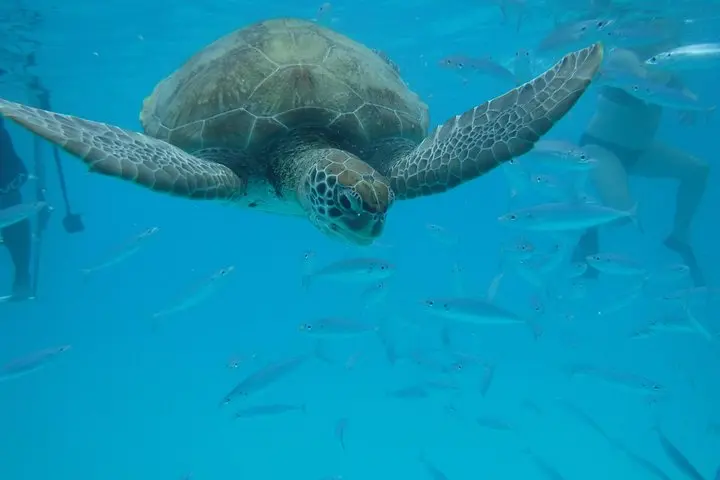
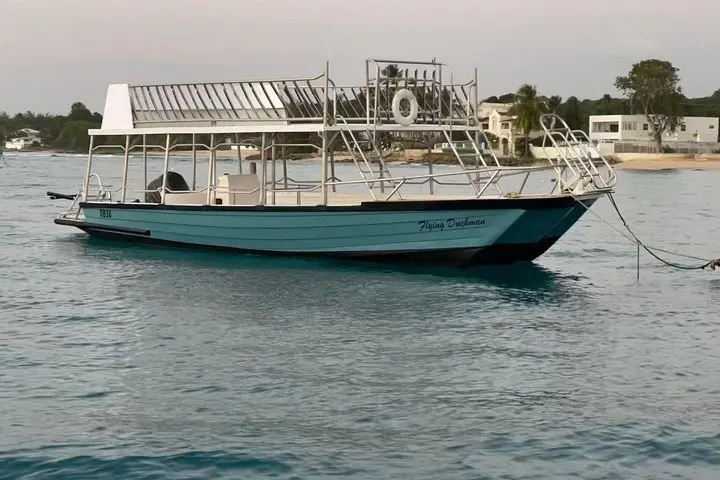
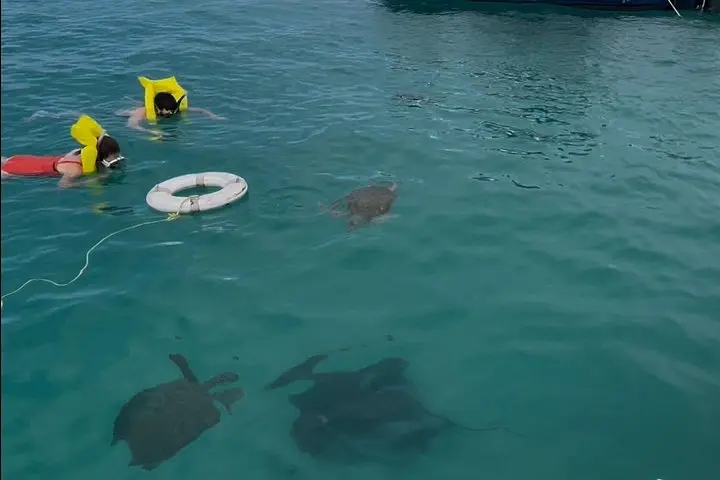
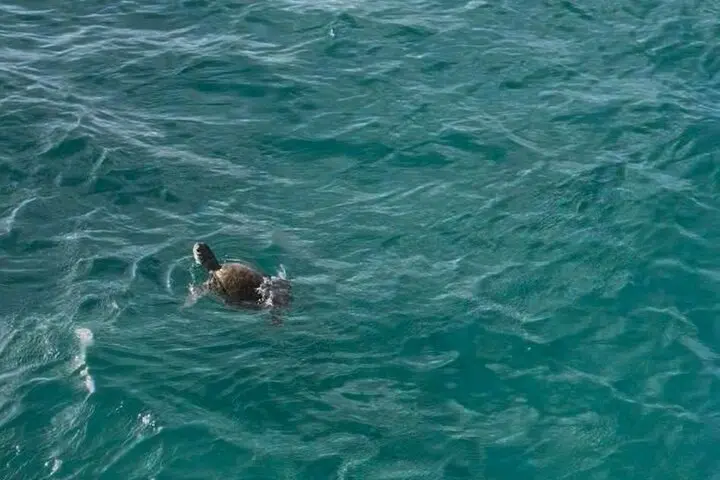
White hull cuts the west-coast swell and the sea immediately answers—glinting, restless, full of motion. On a 32-foot double-deck glass-bottom boat, travelers watch reefs slide beneath like living maps before the captain drops anchor by a well-known shipwreck. From above, plates of coral spread; from the waterline, hawksbill turtles drift through columns of fish, unbothered and curious.
White hull cuts the west-coast swell and the sea immediately answers—glinting, restless, full of motion. On a 32-foot double-deck glass-bottom boat, travelers watch reefs slide beneath like living maps before the captain drops anchor by a well-known shipwreck. From above, plates of coral spread; from the waterline, hawksbill turtles drift through columns of fish, unbothered and curious.
Barbados's west coast has long been a corridor for trade and travel; old wrecks here—victims of shifting currents and colonial commerce—now form the backbone of reef habitat. Geologically the island is a raised limestone plateau with fringing reefs that host vibrant coral growth where currents bring nutrients. Culturally, boat trips reflect island life: easy conversation, rum punch, and guides who point out local lore about shipwrecks and visiting sea turtles.
Practical guidance: the outing runs about 2–3 hours and blends glass-bottom viewing with a guided snorkel stop. The crew provides masks and fins; life vests are available for non-swimmers, and the glass hull means you can still see marine life if you skip the water. Expect gentle swells and occasional current near the wreck—morning sails are usually calmer.
Bring reef-safe sunscreen, a snug mask, and a waterproof camera. Listen to the briefings on reef etiquette—no touching coral or chasing turtles. Hydrate and layer light sun protection; even relaxed island days can tax the sun and salt. This trip pairs easy access to wildlife with straightforward logistics, making it a practical choice for families and first-time snorkelers.