THE ADVENTURE COLLECTIVE® · Independent discovery and booking for outdoor travel

Escape Dublin for a half-day through the Wicklow Mountains to Glendalough, where a 6th‑century monastic site and twin lakes await. This practical guide covers what to expect on the walk, local history, and how to prepare.
Escape Dublin for a half-day through the Wicklow Mountains to Glendalough, where a 6th‑century monastic site and twin lakes await. This practical guide covers what to expect on the walk, local history, and how to prepare.
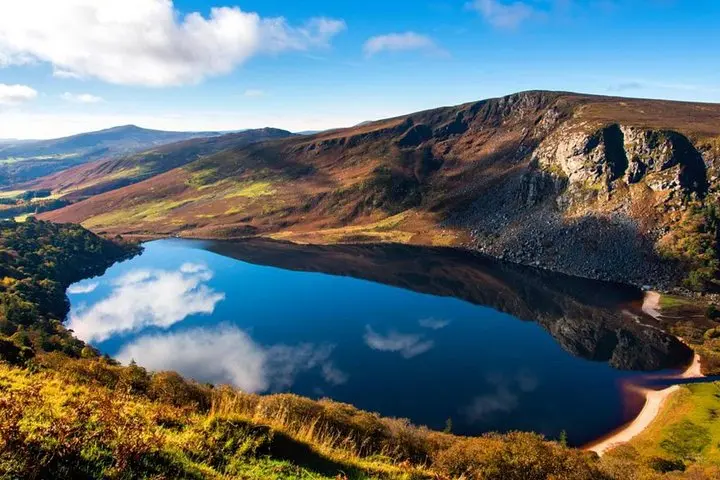
A low cloud drifts over the ridgeline as the coach leaves Dublin behind, the city shrinking to rows of brick and glass while the Wicklow hills widen into peat-stained slopes and fir stands. Within an hour the road drops into a narrow valley where two lakes mirror the sky; the air smells of wet stone and heather. This is Glendalough: river, ruin and history in a single, green-breathed sweep.
Verified experiences and guided adventures in the surrounding area.
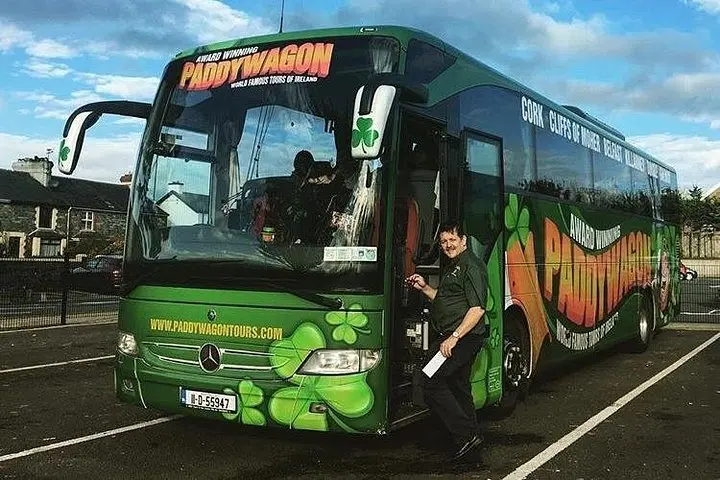
Operated by Paddywagon Tours · Glendalough, County Wicklow
A low cloud drifts over the ridgeline as the coach leaves Dublin behind, the city shrinking to rows of brick and glass while the Wicklow hills widen into peat-stained slopes and fir stands. Within an hour the road drops into a narrow valley where two lakes mirror the sky; the air smells of wet stone and heather. This is Glendalough: river, ruin and history in a single, green-breathed sweep.
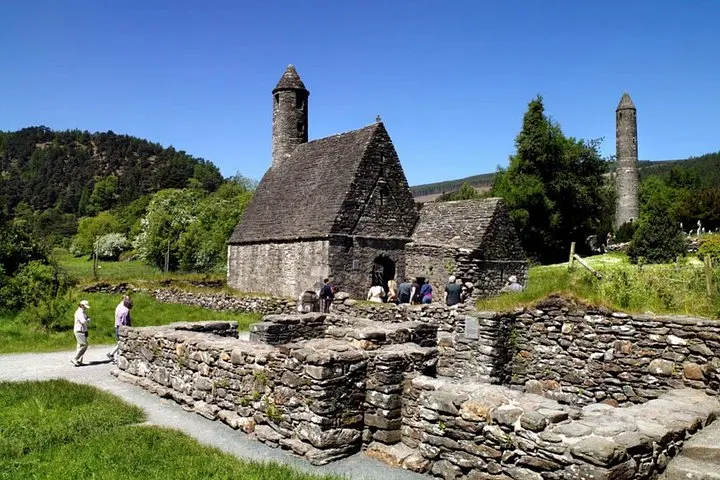
The site began as a 6th-century monastic settlement founded by St. Kevin, whose round tower and carved crosses remain weathered but remarkably intact. Geologically the valley was carved by glacial action, leaving steep corries and a pair of glacial lakes fed by clear tributaries and cascades. The Wicklow Mountains themselves are largely Dalradian schist and quartzite, giving the paths a gritty, good grip underfoot.
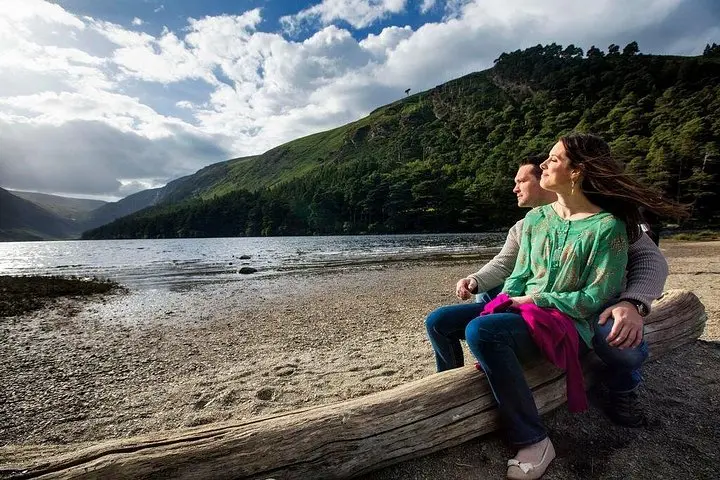
Visitors will trace easy forest trails to the Upper Lake, pass the stonework of the monastic city and feel the current of local storytelling—film crews came here to stand in for Scottish Highlands and romantic Dublin scenes. Culture in the surrounding towns leans toward agriculture, craft pubs and straightforward hospitality.
Practical guidance: plan for roughly 1.5 hours on-site during a 5-hour round trip, wear waterproof layers and sturdy footwear, and carry water and snacks—shops are limited. Morning or late-afternoon departures cut the tourist crush; weekends fill quickly in summer. Stay on marked tracks to protect peat and fragile archaeological features, and bring a camera with a wide lens for lakeside vistas.
The tour allows approximately 1.5 hours to explore the monastic ruins and walk to the Upper Lake.
No entrance fee is required to view the monastic site trails, though certain nearby visitor centers may charge separately.
The coach and main valley paths are accessible, but the Upper Lake walk includes uneven ground that may be difficult with a stroller.
Pickup location or time changes must be requested before 17:00 the evening prior and confirmed in writing by the operator.
Paddywagon Tours operates guided outdoor trips and adventures with an emphasis on safety, stewardship, and memorable experiences.
A low cloud drifts over the ridgeline as the coach leaves Dublin behind, the city shrinking to rows of brick and glass while the Wicklow hills widen into peat-stained slopes and fir stands. Within an hour the road drops into a narrow valley where two lakes mirror the sky; the air smells of wet stone and heather. This is Glendalough: river, ruin and history in a single, green-breathed sweep.
A low cloud drifts over the ridgeline as the coach leaves Dublin behind, the city shrinking to rows of brick and glass while the Wicklow hills widen into peat-stained slopes and fir stands. Within an hour the road drops into a narrow valley where two lakes mirror the sky; the air smells of wet stone and heather. This is Glendalough: river, ruin and history in a single, green-breathed sweep.
The site began as a 6th-century monastic settlement founded by St. Kevin, whose round tower and carved crosses remain weathered but remarkably intact. Geologically the valley was carved by glacial action, leaving steep corries and a pair of glacial lakes fed by clear tributaries and cascades. The Wicklow Mountains themselves are largely Dalradian schist and quartzite, giving the paths a gritty, good grip underfoot.
Visitors will trace easy forest trails to the Upper Lake, pass the stonework of the monastic city and feel the current of local storytelling—film crews came here to stand in for Scottish Highlands and romantic Dublin scenes. Culture in the surrounding towns leans toward agriculture, craft pubs and straightforward hospitality.
Practical guidance: plan for roughly 1.5 hours on-site during a 5-hour round trip, wear waterproof layers and sturdy footwear, and carry water and snacks—shops are limited. Morning or late-afternoon departures cut the tourist crush; weekends fill quickly in summer. Stay on marked tracks to protect peat and fragile archaeological features, and bring a camera with a wide lens for lakeside vistas.