THE ADVENTURE COLLECTIVE® · Independent discovery and booking for outdoor travel

Roll through formal alleys and woodland fringes on a two-hour Segway tour of Real Sitio de San Ildefonso. Learn palace history, gravity-fed fountain engineering, and the biosphere’s quieter corners—all with helmet and guide included.
Roll through formal alleys and woodland fringes on a two-hour Segway tour of Real Sitio de San Ildefonso. Learn palace history, gravity-fed fountain engineering, and the biosphere’s quieter corners—all with helmet and guide included.
The first impression is sensory: the clack of cobblestones beneath a dozen quiet tires, a cool morning wind that pushes the long axis of clipped yew hedges, and the Baroque stone of the Royal Palace rising like an argument in stone against the open sky. You meet at Puerta de la Reina, opposite the Parador, where the guide fits helmets and runs a quick Segway primer. Within minutes the group has found its balance and begins to move, a low, human-powered hum blending with the distant chatter of fountains that will come alive later in the day.
Verified experiences and guided adventures in the surrounding area.
Operated by SEGCITYTOURS · La Granja de San Ildefonso, Segovia
The first impression is sensory: the clack of cobblestones beneath a dozen quiet tires, a cool morning wind that pushes the long axis of clipped yew hedges, and the Baroque stone of the Royal Palace rising like an argument in stone against the open sky. You meet at Puerta de la Reina, opposite the Parador, where the guide fits helmets and runs a quick Segway primer. Within minutes the group has found its balance and begins to move, a low, human-powered hum blending with the distant chatter of fountains that will come alive later in the day.
This two-hour loop through La Granja de San Ildefonso feels equal parts garden tour and local history lesson. The palace was built in the early 18th century under Philip V and shows a clear debt to Versailles: axial alleys, clipped parterres, and a theatre of water built to impress. Geologically the town sits on the granite skirts of the Sierra de Guadarrama; the heavy, pale stone of facades and the scatter of exposed boulders in the surrounding hills are signatures of that bedrock. In 2006 the area was recognized for its ecological value — the municipality and surrounding montes are part of a biosphere reserve — so even as you roll past formal avenues you'll also catch stands of native oak and scrub where kestrels hunt.
Culturally the town is compact but layered: a working local market, ceramic shops that trade in regional designs, and cafés where farmers and Parador staff end their mornings with espresso. The Segway route feels designed to bridge those worlds — short stretches on gentle paved roads, quieter lanes through residential quarters, and wide, gravel garden paths that lead to the palace fountains. The guide adds context: who commissioned each façade, the engineering behind the gravity-fed water displays, and the village rhythms tied to agricultural seasons.
Practical edge: expect roughly 6–8 km covered during the two hours with minimal elevation gain — a few gentle ramps but nothing steep. Helmets and a brief safety drill are included; children from 10 years old may participate and riders must weigh between 35–125 kg. Wear closed-toe shoes and a light jacket; you’ll stop frequently for photos and commentary.
Timing matters. Spring and autumn offer the most comfortable temperatures and flowering hedges; summer mornings can get hot before the fountains' midday spectacle, while heavy rain may force a reschedule. If you want the fountains at full roar, book around the Grandes Aguas schedule or visit on a weekend when the palace operates its water shows. The experience is private, guided, and approachable — an efficient way to move through royal landscapes while learning how Spain’s Bourbon-era aesthetics married engineering and control of the natural world.
The guides provide a short training session and lead the group at a gentle, controlled pace; most first-timers get comfortable within minutes.
Children must be at least 10 years old; riders should weigh between 35 (77 lbs) and 125 kg (275 lbs) to operate a Segway safely.
Meet at Puerta de la Reina, opposite the Reina XIV restaurant and at the entrance to the Parador terrace (corner of Calle Reina and Calle Infantes).
Yes—helmets, insurance (RC), and Segway training are included in the booking price.
Light rain won’t cancel the tour, but heavy rain can lead to rescheduling for safety and comfort reasons.
No; it’s not recommended for travelers with spinal, cardiovascular issues, or limited mobility, and pregnant travelers should not participate.
SEGCITYTOURS operates guided outdoor trips and adventures with an emphasis on safety, stewardship, and memorable experiences.
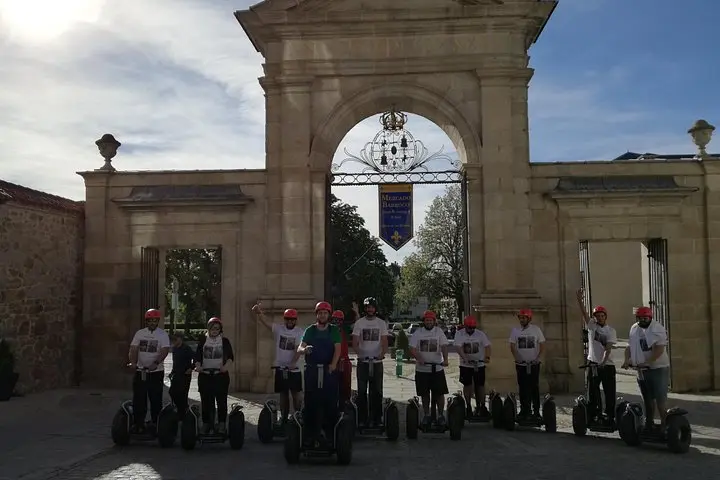
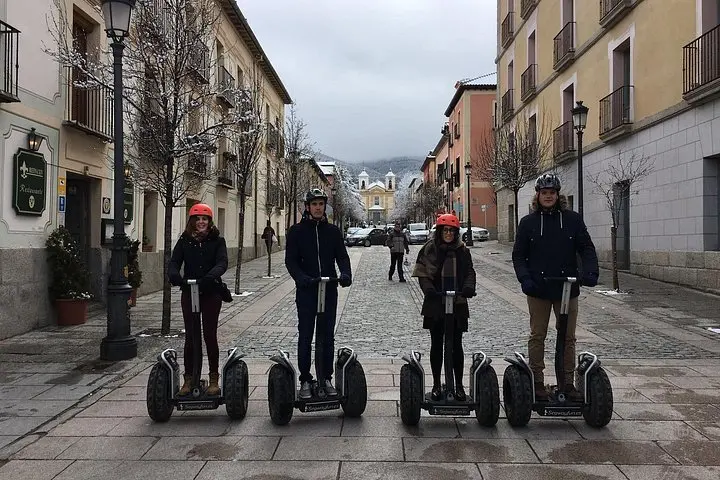
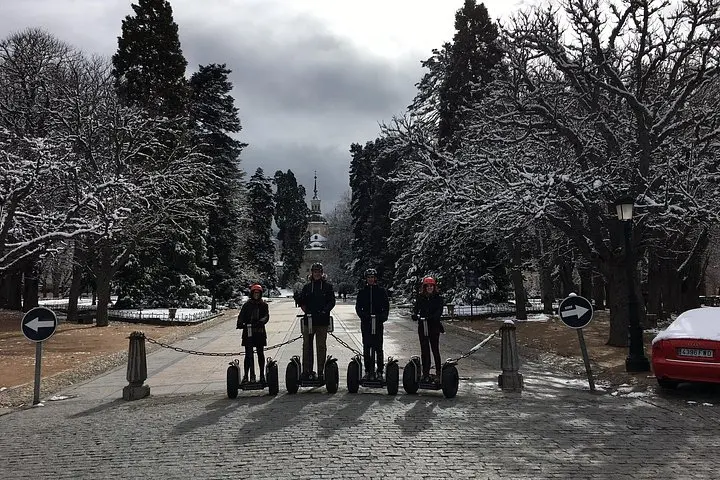
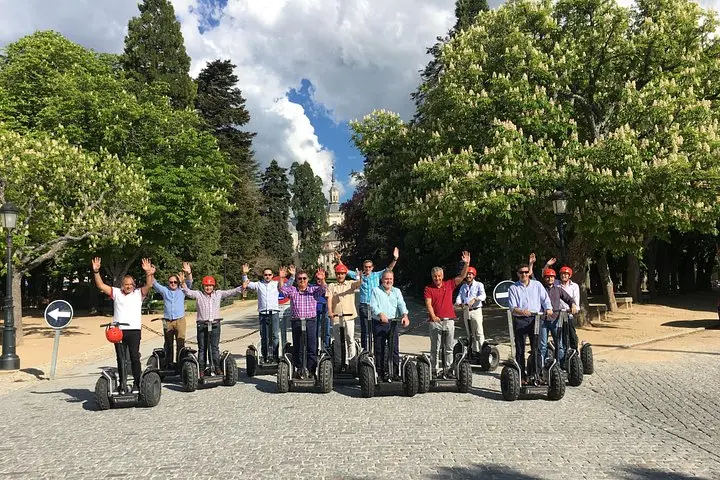
The first impression is sensory: the clack of cobblestones beneath a dozen quiet tires, a cool morning wind that pushes the long axis of clipped yew hedges, and the Baroque stone of the Royal Palace rising like an argument in stone against the open sky. You meet at Puerta de la Reina, opposite the Parador, where the guide fits helmets and runs a quick Segway primer. Within minutes the group has found its balance and begins to move, a low, human-powered hum blending with the distant chatter of fountains that will come alive later in the day.
The first impression is sensory: the clack of cobblestones beneath a dozen quiet tires, a cool morning wind that pushes the long axis of clipped yew hedges, and the Baroque stone of the Royal Palace rising like an argument in stone against the open sky. You meet at Puerta de la Reina, opposite the Parador, where the guide fits helmets and runs a quick Segway primer. Within minutes the group has found its balance and begins to move, a low, human-powered hum blending with the distant chatter of fountains that will come alive later in the day.
This two-hour loop through La Granja de San Ildefonso feels equal parts garden tour and local history lesson. The palace was built in the early 18th century under Philip V and shows a clear debt to Versailles: axial alleys, clipped parterres, and a theatre of water built to impress. Geologically the town sits on the granite skirts of the Sierra de Guadarrama; the heavy, pale stone of facades and the scatter of exposed boulders in the surrounding hills are signatures of that bedrock. In 2006 the area was recognized for its ecological value — the municipality and surrounding montes are part of a biosphere reserve — so even as you roll past formal avenues you'll also catch stands of native oak and scrub where kestrels hunt.
Culturally the town is compact but layered: a working local market, ceramic shops that trade in regional designs, and cafés where farmers and Parador staff end their mornings with espresso. The Segway route feels designed to bridge those worlds — short stretches on gentle paved roads, quieter lanes through residential quarters, and wide, gravel garden paths that lead to the palace fountains. The guide adds context: who commissioned each façade, the engineering behind the gravity-fed water displays, and the village rhythms tied to agricultural seasons.
Practical edge: expect roughly 6–8 km covered during the two hours with minimal elevation gain — a few gentle ramps but nothing steep. Helmets and a brief safety drill are included; children from 10 years old may participate and riders must weigh between 35–125 kg. Wear closed-toe shoes and a light jacket; you’ll stop frequently for photos and commentary.
Timing matters. Spring and autumn offer the most comfortable temperatures and flowering hedges; summer mornings can get hot before the fountains' midday spectacle, while heavy rain may force a reschedule. If you want the fountains at full roar, book around the Grandes Aguas schedule or visit on a weekend when the palace operates its water shows. The experience is private, guided, and approachable — an efficient way to move through royal landscapes while learning how Spain’s Bourbon-era aesthetics married engineering and control of the natural world.