THE ADVENTURE COLLECTIVE® · Independent discovery and booking for outdoor travel

Four days compress centuries: climb the Lion Rock of Sigiriya, walk the painted caves at Dambulla, feel the ritual pulse of Kandy and meet Sri Lanka’s elephants at Pinnawala. This private, chauffeur-led loop pairs cultural context with practical travel tips to help you plan wisely.
Four days compress centuries: climb the Lion Rock of Sigiriya, walk the painted caves at Dambulla, feel the ritual pulse of Kandy and meet Sri Lanka’s elephants at Pinnawala. This private, chauffeur-led loop pairs cultural context with practical travel tips to help you plan wisely.
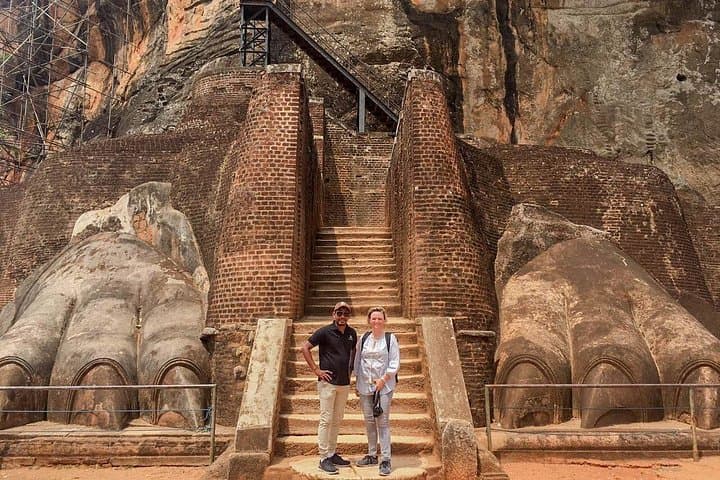
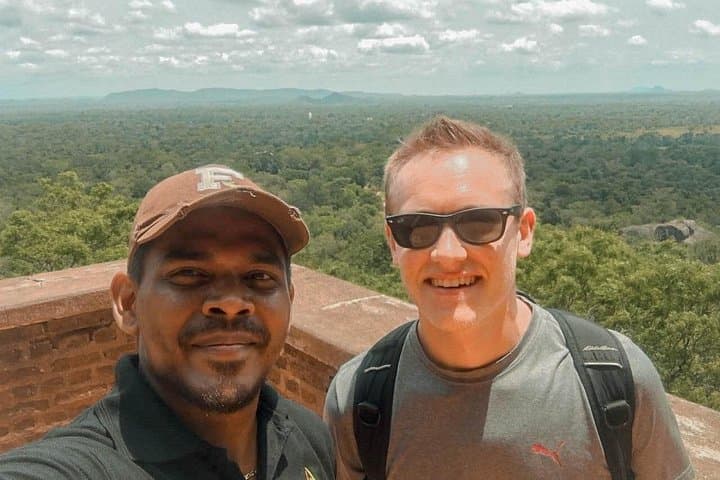
Morning light breaks over a broad, low landscape and the first silhouette to appear is a sheer rock face — Sigiriya rising like a weathered fortress from the plains. On this four-day loop from Colombo, travelers move between human-made heights and human-shaped history: caves painted with ancient murals, a rock palace that once held a king’s paranoia, and a city where a single relic shapes centuries of devotion.
Verified experiences and guided adventures in the surrounding area.
Operated by Lakpura LLC · Colombo, Western Province
Morning light breaks over a broad, low landscape and the first silhouette to appear is a sheer rock face — Sigiriya rising like a weathered fortress from the plains. On this four-day loop from Colombo, travelers move between human-made heights and human-shaped history: caves painted with ancient murals, a rock palace that once held a king’s paranoia, and a city where a single relic shapes centuries of devotion.
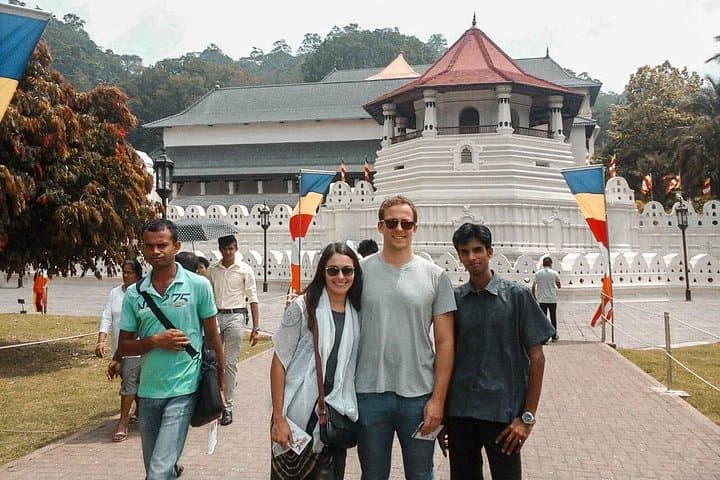
The itinerary reads like a compact primer on Sri Lanka’s Cultural Triangle. Dambulla Cave Temple dates back to the 1st century BC; its painted ceilings and rows of Buddha figures take on a mellow hush that even the humid air seems to respect. Sigiriya, the so-called Lion Rock, is a 5th-century engineered citadel — terraces, water gardens and cisterns carved into gneiss — a demonstration of sophisticated hydraulic thinking rather than raw geology alone. Kandy’s Temple of the Tooth, rebuilt in the 16th century and now a UNESCO World Heritage site, anchors the island’s spiritual politics: possession of the tooth once implied sovereignty.
Between monuments are quick cultural briefings: in Matale spice gardens, leaves and pods release perfume and purpose as you learn how cinnamon, cardamom and nutmeg held the island to global trade routes. At Pinnawala, the home of the so-called gentle giants, elephants move with stubborn patience; the orphanage offers a close perspective on a species that shaped rural life and modern tourism alike.
Practical reality is part of the charm. This is a private, chauffeur-led tour with air-conditioned transport — a pragmatic way to compress distances and maximize daylight. The tour includes two 500ml water bottles per person per day and English-speaking service, but entrance fees are not included; bring local currency or a card where accepted. Expect steep metal and stone stairs at Sigiriya with roughly 200 meters of ascent to the summit plateau; comfortable, grippy shoes and steady knees matter more than endurance running fitness.
Temple etiquette is straightforward: dress modestly (shoulders and knees covered), remove shoes and refrain from loud behavior during worship. Start early at key sites to avoid midday heat and crowds — golden hour and early morning light do the heavy lifting for photos. Weather can swing by season; afternoon showers are possible, so a lightweight rain shell pays for itself.
For first-time visitors who want concentrated history without logistics friction, this four-day loop is hard to beat. It threads geology, religion and commerce into a short distance while leaving room for small discoveries — a spice seller who teaches a roast trick, a village road where you glimpse rural rhythms, an elephant bathing in a river that seems to dare you to look away.
No. Entrance fees for sites such as Sigiriya and the Temple of the Tooth are not included and should be paid separately at the gates.
Yes. The itinerary is run as a private tour with a chauffeur-guide and private vehicle for your group.
Pickup logistics are flexible but the operator requests travelers be ready about 60 minutes before scheduled departure for hotel or airport pickups.
Yes. Infant seats are available, but consider the stair climbs at Sigiriya and limited shade for very young children.
Not recommended for travelers with serious cardiovascular or mobility issues due to stairs, uneven surfaces and some climbing at Sigiriya.
Yes, you can see elephants up close at the orphanage during feeding and bathing, but be mindful of welfare concerns and follow staff guidance.
Lakpura LLC operates guided outdoor trips and adventures with an emphasis on safety, stewardship, and memorable experiences.

Morning light breaks over a broad, low landscape and the first silhouette to appear is a sheer rock face — Sigiriya rising like a weathered fortress from the plains. On this four-day loop from Colombo, travelers move between human-made heights and human-shaped history: caves painted with ancient murals, a rock palace that once held a king’s paranoia, and a city where a single relic shapes centuries of devotion.
Morning light breaks over a broad, low landscape and the first silhouette to appear is a sheer rock face — Sigiriya rising like a weathered fortress from the plains. On this four-day loop from Colombo, travelers move between human-made heights and human-shaped history: caves painted with ancient murals, a rock palace that once held a king’s paranoia, and a city where a single relic shapes centuries of devotion.
The itinerary reads like a compact primer on Sri Lanka’s Cultural Triangle. Dambulla Cave Temple dates back to the 1st century BC; its painted ceilings and rows of Buddha figures take on a mellow hush that even the humid air seems to respect. Sigiriya, the so-called Lion Rock, is a 5th-century engineered citadel — terraces, water gardens and cisterns carved into gneiss — a demonstration of sophisticated hydraulic thinking rather than raw geology alone. Kandy’s Temple of the Tooth, rebuilt in the 16th century and now a UNESCO World Heritage site, anchors the island’s spiritual politics: possession of the tooth once implied sovereignty.
Between monuments are quick cultural briefings: in Matale spice gardens, leaves and pods release perfume and purpose as you learn how cinnamon, cardamom and nutmeg held the island to global trade routes. At Pinnawala, the home of the so-called gentle giants, elephants move with stubborn patience; the orphanage offers a close perspective on a species that shaped rural life and modern tourism alike.
Practical reality is part of the charm. This is a private, chauffeur-led tour with air-conditioned transport — a pragmatic way to compress distances and maximize daylight. The tour includes two 500ml water bottles per person per day and English-speaking service, but entrance fees are not included; bring local currency or a card where accepted. Expect steep metal and stone stairs at Sigiriya with roughly 200 meters of ascent to the summit plateau; comfortable, grippy shoes and steady knees matter more than endurance running fitness.
Temple etiquette is straightforward: dress modestly (shoulders and knees covered), remove shoes and refrain from loud behavior during worship. Start early at key sites to avoid midday heat and crowds — golden hour and early morning light do the heavy lifting for photos. Weather can swing by season; afternoon showers are possible, so a lightweight rain shell pays for itself.
For first-time visitors who want concentrated history without logistics friction, this four-day loop is hard to beat. It threads geology, religion and commerce into a short distance while leaving room for small discoveries — a spice seller who teaches a roast trick, a village road where you glimpse rural rhythms, an elephant bathing in a river that seems to dare you to look away.