THE ADVENTURE COLLECTIVE® · Independent discovery and booking for outdoor travel

Explore Old Goa’s UNESCO-listed churches, a working Hindu temple, a bustling local market and a spice plantation in one guided day trip. Expect a mix of colonial architecture, fragrant spice gardens and practical tips for navigating heat, dress codes and uneven paths.
Explore Old Goa’s UNESCO-listed churches, a working Hindu temple, a bustling local market and a spice plantation in one guided day trip. Expect a mix of colonial architecture, fragrant spice gardens and practical tips for navigating heat, dress codes and uneven paths.
A narrow lane of sun-warmed laterite and faded Portuguese tiles leads toward a square dominated by church bells and coconut palms that lean like curious onlookers. On this full-day circuit around Old Goa and nearby plantations, the air shifts from incense-steeped cool inside basilicas to the humid, pepper-scented breath of the spice gardens. The guide moves between stories and stones, pointing out carved altars as cardamom vines whisper nearby.
Verified experiences and guided adventures in the surrounding area.
Operated by Exotic Goan Excursions · Old Goa, Goa
A narrow lane of sun-warmed laterite and faded Portuguese tiles leads toward a square dominated by church bells and coconut palms that lean like curious onlookers. On this full-day circuit around Old Goa and nearby plantations, the air shifts from incense-steeped cool inside basilicas to the humid, pepper-scented breath of the spice gardens. The guide moves between stories and stones, pointing out carved altars as cardamom vines whisper nearby.
Goa’s coastline and hinterland were shaped by centuries of trade and a 450-year Portuguese presence; the result is Baroque churches, tiled homes with thick walls, and a market culture that still trades in cashews, kokum, and spices. Geologically, the region sits on Deccan laterite; its red soil feeds the plantation plots visible from the lane. Culturally, Hindu temples and Catholic churches stand in close proximity, illustrating the layered religious landscape.
Practical guidance: expect about seven hours on your feet with short walks, uneven surfaces and stairs at heritage sites. Dress conservatively for places of worship—shoulders and knees covered—and wear sturdy, breathable shoes for plantation paths. Hydrate early and often; bottled water is provided, but carry a refillable bottle. Morning departures avoid midday heat and give cleaner light for photography. Bring a light rain jacket during the monsoon months; for winter visits, mornings are pleasantly cool. The experience balances history, botanical insight, and a genuine taste of Goan food at the plantation lunch—local flavors served simply, without alcoholic beverages included. For travelers who want culture and a hands-on look at spices and colonial architecture in one day, this tour is a compact, walkable introduction to Goa’s layered identity.
Yes—lunch at the spice plantation is provided and features locally sourced ingredients; alcoholic and non-alcoholic beverages must be purchased separately.
All fees and taxes listed in the itinerary are included; specific admission requirements for UNESCO sites are handled by the guide.
Infants may ride in a stroller but the tour involves walking on uneven surfaces and stairs; it’s not recommended for travelers with serious back, heart or pregnancy concerns.
Wear conservative clothing covering shoulders and knees; avoid sleeveless tops, shorts, and strapless garments to meet the strict decorum at churches and temples.
Exotic Goan Excursions operates guided outdoor trips and adventures with an emphasis on safety, stewardship, and memorable experiences.
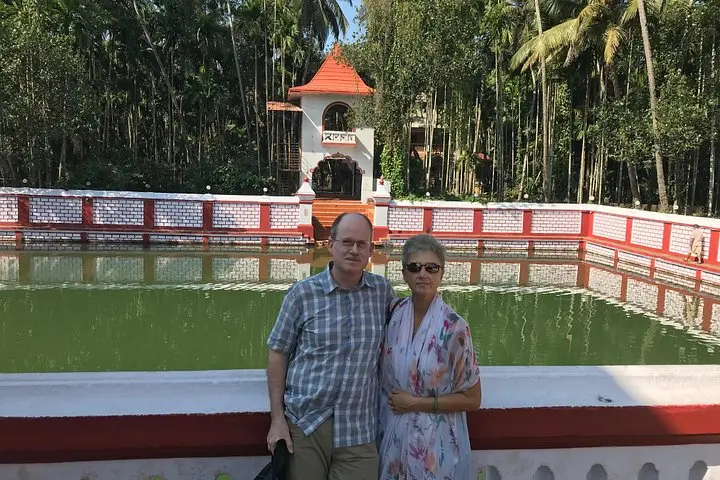

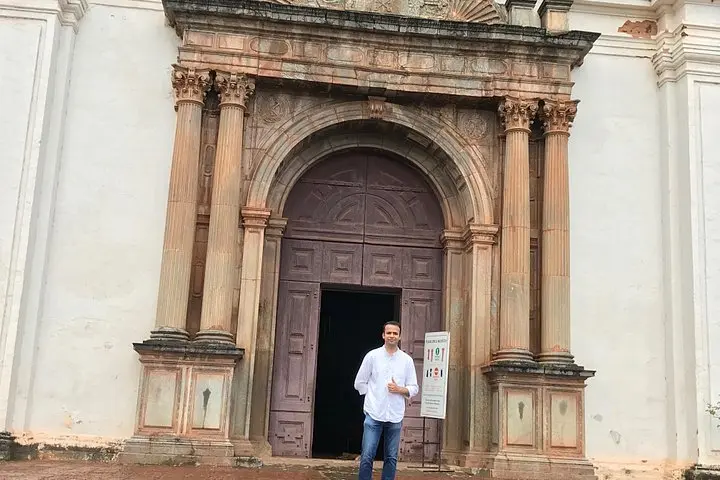
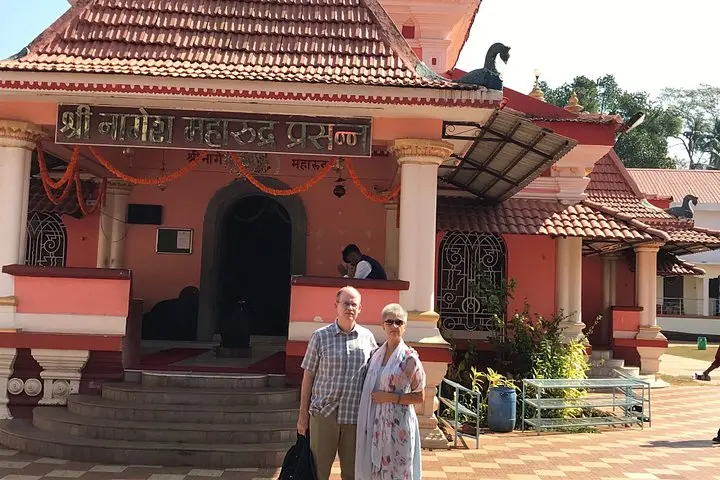
A narrow lane of sun-warmed laterite and faded Portuguese tiles leads toward a square dominated by church bells and coconut palms that lean like curious onlookers. On this full-day circuit around Old Goa and nearby plantations, the air shifts from incense-steeped cool inside basilicas to the humid, pepper-scented breath of the spice gardens. The guide moves between stories and stones, pointing out carved altars as cardamom vines whisper nearby.
A narrow lane of sun-warmed laterite and faded Portuguese tiles leads toward a square dominated by church bells and coconut palms that lean like curious onlookers. On this full-day circuit around Old Goa and nearby plantations, the air shifts from incense-steeped cool inside basilicas to the humid, pepper-scented breath of the spice gardens. The guide moves between stories and stones, pointing out carved altars as cardamom vines whisper nearby.
Goa’s coastline and hinterland were shaped by centuries of trade and a 450-year Portuguese presence; the result is Baroque churches, tiled homes with thick walls, and a market culture that still trades in cashews, kokum, and spices. Geologically, the region sits on Deccan laterite; its red soil feeds the plantation plots visible from the lane. Culturally, Hindu temples and Catholic churches stand in close proximity, illustrating the layered religious landscape.
Practical guidance: expect about seven hours on your feet with short walks, uneven surfaces and stairs at heritage sites. Dress conservatively for places of worship—shoulders and knees covered—and wear sturdy, breathable shoes for plantation paths. Hydrate early and often; bottled water is provided, but carry a refillable bottle. Morning departures avoid midday heat and give cleaner light for photography. Bring a light rain jacket during the monsoon months; for winter visits, mornings are pleasantly cool. The experience balances history, botanical insight, and a genuine taste of Goan food at the plantation lunch—local flavors served simply, without alcoholic beverages included. For travelers who want culture and a hands-on look at spices and colonial architecture in one day, this tour is a compact, walkable introduction to Goa’s layered identity.