THE ADVENTURE COLLECTIVE® · Independent discovery and booking for outdoor travel

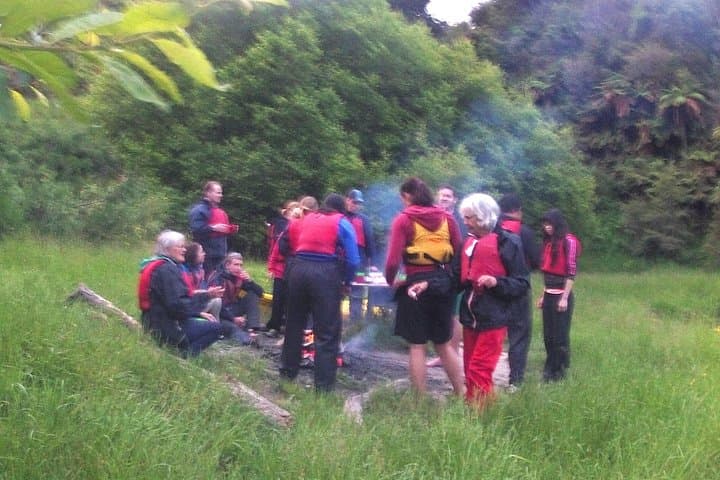
Paddle from Epworth Camp into a fern-lined canyon, sip local wine by a riverside fire, then drift back under a ceiling of glowworms. This four-hour guided kayak tour blends daylight exploration with a quiet, low-light nighttime return.
Paddle from Epworth Camp into a fern-lined canyon, sip local wine by a riverside fire, then drift back under a ceiling of glowworms. This four-hour guided kayak tour blends daylight exploration with a quiet, low-light nighttime return.
The paddle begins in late-afternoon light at Epworth Camp, where the river widens and the water takes on a glassy slow-turn. You push off in single or tandem kayaks, the guide calling minor adjustments as native ferns lean over the canyon. As daylight thins the canyon narrows; the stream’s rock walls take on the first hints of night and the current feels like a quiet partner, urging you forward.
Verified experiences and guided adventures in the surrounding area.
Operated by The Boatshed Kayaks · Cambridge, Waikato
The paddle begins in late-afternoon light at Epworth Camp, where the river widens and the water takes on a glassy slow-turn. You push off in single or tandem kayaks, the guide calling minor adjustments as native ferns lean over the canyon. As daylight thins the canyon narrows; the stream’s rock walls take on the first hints of night and the current feels like a quiet partner, urging you forward.
The Waikato River is New Zealand’s longest river, carved from volcanic flows and ancient alluvial terraces that feed the rich farmlands downstream. This stretch threads through land tied to Waikato-Tainui iwi, where waterways carried people, food and stories for generations. Geology here is straightforward — soft sedimentary banks with occasional basalt outcrops — and the stream’s sheltered canyon provides the humidity glowworms need to thrive.
Practical guidance: expect a roughly four-hour excursion that mixes daylight paddling, a short riverside break with local wine, and a dusk return through glowworm-lit rock. Guides supply safety kit and instruction; moderate fitness and basic paddling comfort make the trip enjoyable. Footing at the campsite can be uneven, and temperatures drop quickly after sunset — pack warm layers and a headlamp for shore time only.
Timing matters: arrive hydrated, limit bright lights near the canyon to protect the glowworms, and listen to your guide’s instructions for close-quarters nocturnal paddling. The experience is part natural history, part quiet night float — a focused, low-impact way to see glowworms without entering caves.
The return through the canyon is done in very low light so glowworms are visible; guides keep group sizes small and use minimal, directed lighting only when necessary.
Age rules vary by operator but most tours require children to be accompanied and able to sit in a kayak for the duration; check booking details for minimum age restrictions.
No advanced skills are required — guides provide instruction and safety gear — but basic paddling ability and comfort in a kayak are recommended.
Turn screens to low brightness or keep phones off during the glowworm portion; flash and strong light reduce glowworm visibility and stress the insects.
The Boatshed Kayaks operates guided outdoor trips and adventures with an emphasis on safety, stewardship, and memorable experiences.
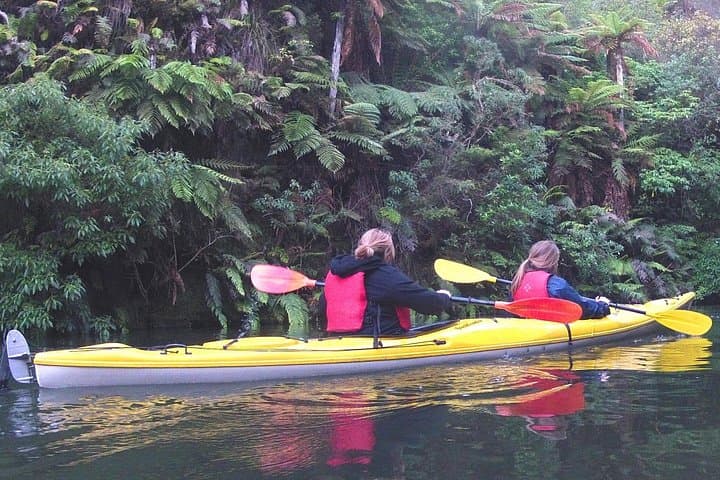
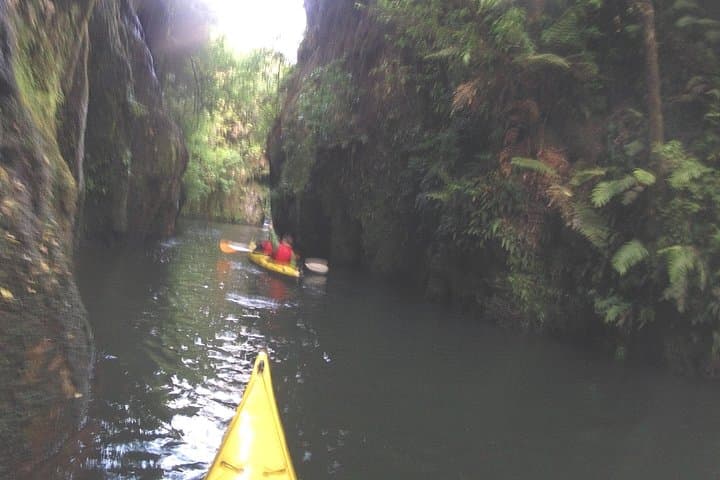
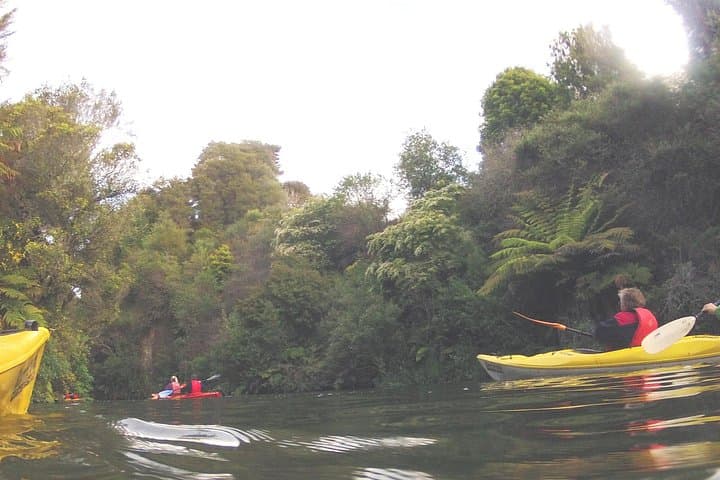
The paddle begins in late-afternoon light at Epworth Camp, where the river widens and the water takes on a glassy slow-turn. You push off in single or tandem kayaks, the guide calling minor adjustments as native ferns lean over the canyon. As daylight thins the canyon narrows; the stream’s rock walls take on the first hints of night and the current feels like a quiet partner, urging you forward.
The paddle begins in late-afternoon light at Epworth Camp, where the river widens and the water takes on a glassy slow-turn. You push off in single or tandem kayaks, the guide calling minor adjustments as native ferns lean over the canyon. As daylight thins the canyon narrows; the stream’s rock walls take on the first hints of night and the current feels like a quiet partner, urging you forward.
The Waikato River is New Zealand’s longest river, carved from volcanic flows and ancient alluvial terraces that feed the rich farmlands downstream. This stretch threads through land tied to Waikato-Tainui iwi, where waterways carried people, food and stories for generations. Geology here is straightforward — soft sedimentary banks with occasional basalt outcrops — and the stream’s sheltered canyon provides the humidity glowworms need to thrive.
Practical guidance: expect a roughly four-hour excursion that mixes daylight paddling, a short riverside break with local wine, and a dusk return through glowworm-lit rock. Guides supply safety kit and instruction; moderate fitness and basic paddling comfort make the trip enjoyable. Footing at the campsite can be uneven, and temperatures drop quickly after sunset — pack warm layers and a headlamp for shore time only.
Timing matters: arrive hydrated, limit bright lights near the canyon to protect the glowworms, and listen to your guide’s instructions for close-quarters nocturnal paddling. The experience is part natural history, part quiet night float — a focused, low-impact way to see glowworms without entering caves.