THE ADVENTURE COLLECTIVE® · Independent discovery and booking for outdoor travel

Drive inland from Goa into the Deccan plateau on a five-day road trip through Belgaum, Bijapur and Badami. Explore hill forts, cascading falls and UNESCO temple complexes while navigating varied terrain and local culture.
Drive inland from Goa into the Deccan plateau on a five-day road trip through Belgaum, Bijapur and Badami. Explore hill forts, cascading falls and UNESCO temple complexes while navigating varied terrain and local culture.
A low sunrise over coastal Goa, the road glinting with the last of monsoon puddles—this tour pushes inland, where the Western Ghats fold into plateau and sandstone cliffs. The engine hums, villages slide by, and by midmorning the landscape changes: paddy fields give way to rocky escarpments and fort-studded horizons.
Verified experiences and guided adventures in the surrounding area.
Operated by Agora Voyages Pvt. Ltd. · Panaji (Goa), Goa
A low sunrise over coastal Goa, the road glinting with the last of monsoon puddles—this tour pushes inland, where the Western Ghats fold into plateau and sandstone cliffs. The engine hums, villages slide by, and by midmorning the landscape changes: paddy fields give way to rocky escarpments and fort-studded horizons.
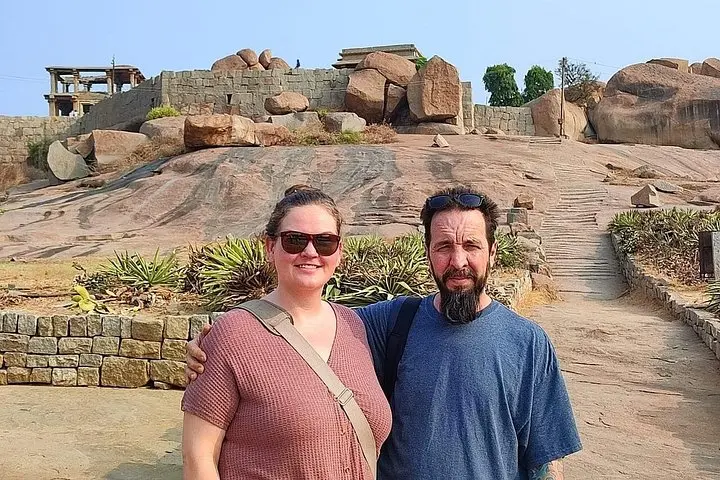
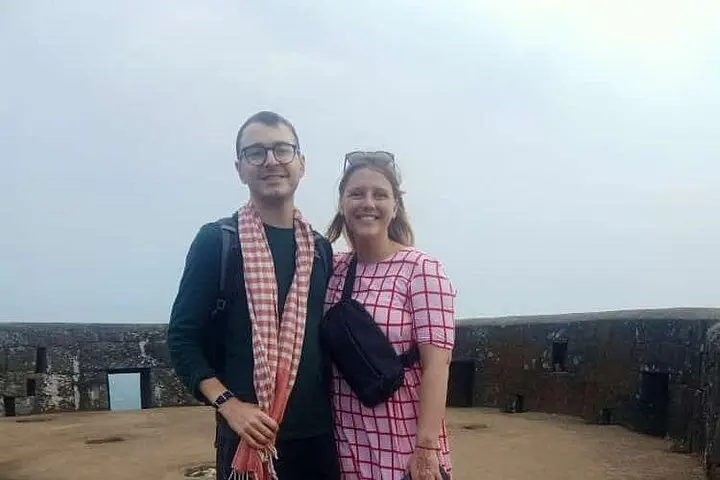
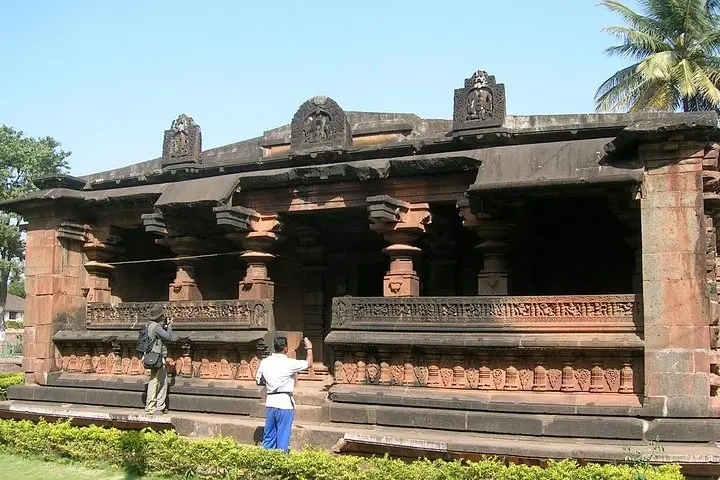
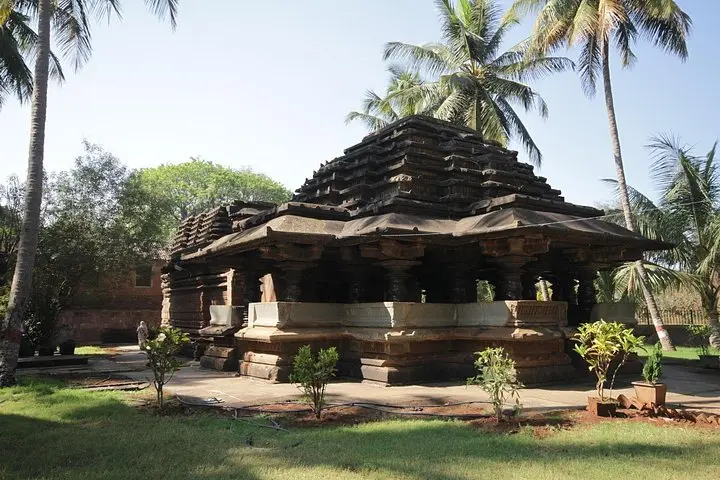
History here is literal stone. Belgaum’s hill fort carries layers from the Ratta and Maratha eras; Bijapur (Vijayapura) still announces the Adil Shahi dynasty in the massive dome of Gol Gumbaz and the cast-iron silhouette of the Malik-e-Maidan cannon. Badami, Aihole and Pattadakal map the rise of the Chalukyas—sandstone cave shrines carved in the 6th century, ornate lintels and temple plans that influenced South Indian architecture.
Geology matters on this route: Badami’s cliffs are soft sandstone, eroded into terraces that hold reflective Agastya Lake; Gokak Falls cuts a deep V into Deccan plateau basalts, framing a dramatic hanging bridge crossing. Culture is immediate—Kannada and Konkani languages, simple roadside tiffins, early-morning temple rituals and markets where spices and jaggery are packed by hand.
Practical guidance: this is a seat-of-the-pants road tour—expect several 3–5 hour drives, short climbs at forts and cave sites, and dusty paths at archaeological complexes. Travel early to avoid midday heat at open sites, carry sunscreen and refillable water, and allow time for monument queues and local guide briefings. Entrances at UNESCO sites are timed; wear sturdy shoes for uneven stone steps and bring a light daypack for camera, water and a rain layer during monsoon months.
The itinerary runs about five days with multiple drives; typical stretches are 3–5 hours between major towns (Goa–Belgaum ~3 hrs, Belgaum–Bijapur ~5 hrs, Bijapur–Badami ~3 hrs).
The tour notes that monument entrances mentioned in the itinerary are included, but verify specific site fees at booking and keep ID for any concessions.
The tour is labeled suitable for all fitness levels, but many sites have uneven terrain and steps; consider mobility limitations and request assistance or adjusted pacing when booking.
An English-speaking guide is provided for sightseeing days, with local guides at certain cities; Kannada and Konkani are commonly spoken locally.
Agora Voyages Pvt. Ltd. operates guided outdoor trips and adventures with an emphasis on safety, stewardship, and memorable experiences.
A low sunrise over coastal Goa, the road glinting with the last of monsoon puddles—this tour pushes inland, where the Western Ghats fold into plateau and sandstone cliffs. The engine hums, villages slide by, and by midmorning the landscape changes: paddy fields give way to rocky escarpments and fort-studded horizons.
A low sunrise over coastal Goa, the road glinting with the last of monsoon puddles—this tour pushes inland, where the Western Ghats fold into plateau and sandstone cliffs. The engine hums, villages slide by, and by midmorning the landscape changes: paddy fields give way to rocky escarpments and fort-studded horizons.
History here is literal stone. Belgaum’s hill fort carries layers from the Ratta and Maratha eras; Bijapur (Vijayapura) still announces the Adil Shahi dynasty in the massive dome of Gol Gumbaz and the cast-iron silhouette of the Malik-e-Maidan cannon. Badami, Aihole and Pattadakal map the rise of the Chalukyas—sandstone cave shrines carved in the 6th century, ornate lintels and temple plans that influenced South Indian architecture.
Geology matters on this route: Badami’s cliffs are soft sandstone, eroded into terraces that hold reflective Agastya Lake; Gokak Falls cuts a deep V into Deccan plateau basalts, framing a dramatic hanging bridge crossing. Culture is immediate—Kannada and Konkani languages, simple roadside tiffins, early-morning temple rituals and markets where spices and jaggery are packed by hand.
Practical guidance: this is a seat-of-the-pants road tour—expect several 3–5 hour drives, short climbs at forts and cave sites, and dusty paths at archaeological complexes. Travel early to avoid midday heat at open sites, carry sunscreen and refillable water, and allow time for monument queues and local guide briefings. Entrances at UNESCO sites are timed; wear sturdy shoes for uneven stone steps and bring a light daypack for camera, water and a rain layer during monsoon months.