THE ADVENTURE COLLECTIVE® · Independent discovery and booking for outdoor travel

A brisk two-day itinerary that flies you from Goa to Delhi, drives into Jim Corbett’s foothills and delivers a sunrise jeep safari and an overnight resort stay. Expect big-country wildlife, long travel legs, and a tightly scheduled wildlife experience.
A brisk two-day itinerary that flies you from Goa to Delhi, drives into Jim Corbett’s foothills and delivers a sunrise jeep safari and an overnight resort stay. Expect big-country wildlife, long travel legs, and a tightly scheduled wildlife experience.
You step off an early flight in Delhi and leave the noise of Goa behind for a landscape that changes with every hour: emerald fields give way to the lower Himalaya’s rolling foothills and the first stands of sal and teak. By late afternoon the resort near Jim Corbett National Park feels less like a hotel and more like a staging ground—the riverbank calls, and tomorrow’s dawn promises a jeep engine and the suppressed impatience of a jungle waking up.
Verified experiences and guided adventures in the surrounding area.
Operated by Padma Holidays · Ramnagar, Uttarakhand
You step off an early flight in Delhi and leave the noise of Goa behind for a landscape that changes with every hour: emerald fields give way to the lower Himalaya’s rolling foothills and the first stands of sal and teak. By late afternoon the resort near Jim Corbett National Park feels less like a hotel and more like a staging ground—the riverbank calls, and tomorrow’s dawn promises a jeep engine and the suppressed impatience of a jungle waking up.
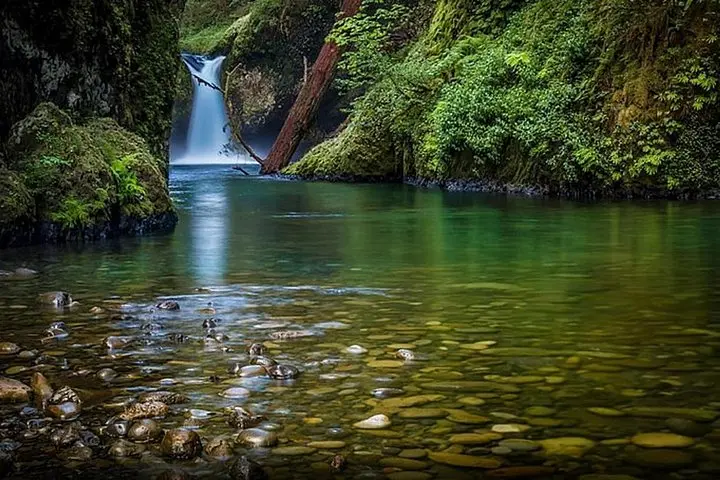
Jim Corbett sits on the southern edge of the Kumaon foothills, where riverine grasslands meet mixed deciduous forest. The park’s geology is shaped by ancient alluvial fans and seasonal rivers—flat floodplains, undulating ridges and trails that climb gentle slopes rather than steep summits. Culturally, this landscape has long supported Kumaoni villages, river-based livelihoods and a colonial history of sport hunting that shifted after independence to conservation and tourism, giving rise to India’s first national park.
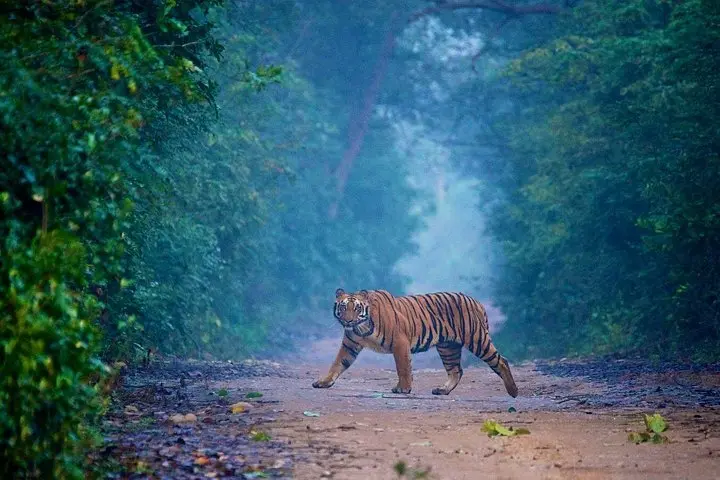
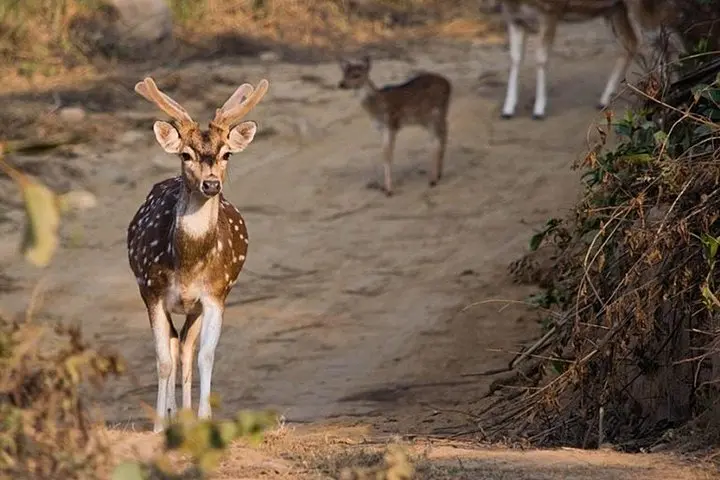
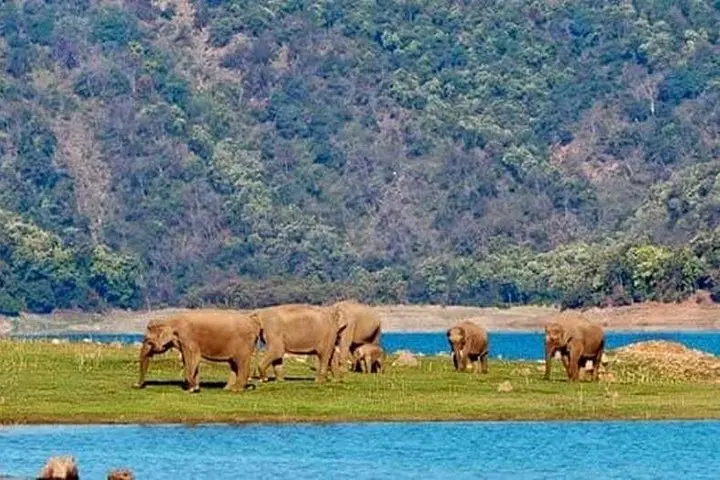
Expect an early-morning jeep or canter safari when animals are most active, guided by a forest-authority naturalist. Tigers, elephants, hog deer and a rich bird list are the draw, but sightings depend on animal movement; drives focus on zones with recent activity. The short itinerary (fly to Delhi, 5–6 hour drive to Corbett, one night at a mid/upper-tier resort, morning safari, return) is compact—pack for long travel windows, variable temperatures, and bumpy tracks. Practicalities: reach your boarding point 20 minutes early, carry ID and photocopies, bring binoculars and quiet patience. With sensible gear and calm observation, this two-day transfer from Goa converts to concentrated time in prime wildlife country.
No—tigers move freely in the park and sightings cannot be guaranteed; guides use recent track and camera-trap information to choose zones with higher probability.
Standard jeep safaris are usually 3–4 hours in the early morning or late afternoon when wildlife is most active.
Yes—carrying government-issued photo ID and the booking confirmation is required for safari entry and park checks; passports are needed for foreign travelers.
The tour is generally suitable for children but not recommended for pregnant travelers or those with serious spinal or cardiovascular conditions per park rules.
Padma Holidays operates guided outdoor trips and adventures with an emphasis on safety, stewardship, and memorable experiences.
You step off an early flight in Delhi and leave the noise of Goa behind for a landscape that changes with every hour: emerald fields give way to the lower Himalaya’s rolling foothills and the first stands of sal and teak. By late afternoon the resort near Jim Corbett National Park feels less like a hotel and more like a staging ground—the riverbank calls, and tomorrow’s dawn promises a jeep engine and the suppressed impatience of a jungle waking up.
You step off an early flight in Delhi and leave the noise of Goa behind for a landscape that changes with every hour: emerald fields give way to the lower Himalaya’s rolling foothills and the first stands of sal and teak. By late afternoon the resort near Jim Corbett National Park feels less like a hotel and more like a staging ground—the riverbank calls, and tomorrow’s dawn promises a jeep engine and the suppressed impatience of a jungle waking up.
Jim Corbett sits on the southern edge of the Kumaon foothills, where riverine grasslands meet mixed deciduous forest. The park’s geology is shaped by ancient alluvial fans and seasonal rivers—flat floodplains, undulating ridges and trails that climb gentle slopes rather than steep summits. Culturally, this landscape has long supported Kumaoni villages, river-based livelihoods and a colonial history of sport hunting that shifted after independence to conservation and tourism, giving rise to India’s first national park.
Expect an early-morning jeep or canter safari when animals are most active, guided by a forest-authority naturalist. Tigers, elephants, hog deer and a rich bird list are the draw, but sightings depend on animal movement; drives focus on zones with recent activity. The short itinerary (fly to Delhi, 5–6 hour drive to Corbett, one night at a mid/upper-tier resort, morning safari, return) is compact—pack for long travel windows, variable temperatures, and bumpy tracks. Practicalities: reach your boarding point 20 minutes early, carry ID and photocopies, bring binoculars and quiet patience. With sensible gear and calm observation, this two-day transfer from Goa converts to concentrated time in prime wildlife country.