THE ADVENTURE COLLECTIVE® · Independent discovery and booking for outdoor travel

Board a small boat at Leigh for guided dives on the Goat Island (Cape Rodney–Okakari Point) marine reserve. Expect kelp forests, abundant reef fish, crayfish, and clear instruction—ideal for certified divers seeking protected-reef encounters.
Board a small boat at Leigh for guided dives on the Goat Island (Cape Rodney–Okakari Point) marine reserve. Expect kelp forests, abundant reef fish, crayfish, and clear instruction—ideal for certified divers seeking protected-reef encounters.
The morning air at Leigh smells of salt and kelp as the boat slips away from the ramp and into turquoise water. Waves nudge the hull and the headland of Goat Island resolves ahead—rocky outcrops, kelp forests swaying like tall grasses, and dark reef pinnacles that promise hidden crevices. The dive crew sorts gear with calm efficiency; the coast waits quietly, full of motion beneath the surface.
Verified experiences and guided adventures in the surrounding area.
Operated by Goat Island Dive & Snorkel · Leigh, Auckland
The morning air at Leigh smells of salt and kelp as the boat slips away from the ramp and into turquoise water. Waves nudge the hull and the headland of Goat Island resolves ahead—rocky outcrops, kelp forests swaying like tall grasses, and dark reef pinnacles that promise hidden crevices. The dive crew sorts gear with calm efficiency; the coast waits quietly, full of motion beneath the surface.
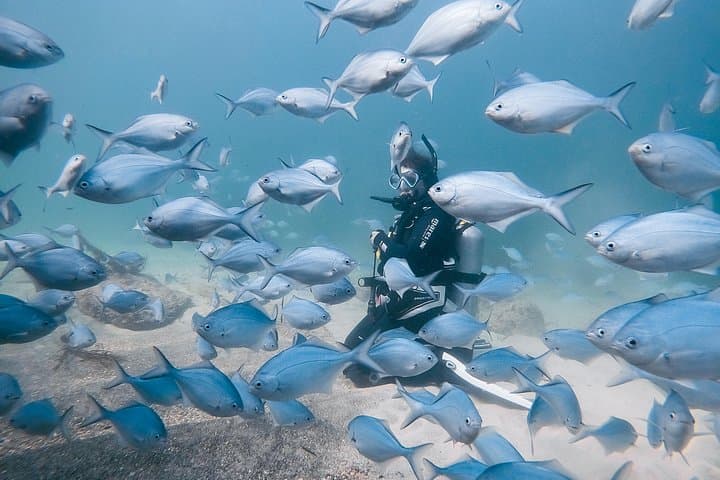
This is Cape Rodney–Okakari Point, one of New Zealand’s earliest marine reserves established in the 1970s. The reserve protects rocky reef ecosystems where kelp forests cling to hard substrate and schools of snapper and trevally patrol the shallows. Geologically the Leigh coast is a mix of fractured rock and reef platforms that create drop-offs and swim-throughs attractive to crayfish, octopus, and rays. Local fishing villages like Leigh have long relied on the sea; conservation here has shifted that relationship toward protection and study.
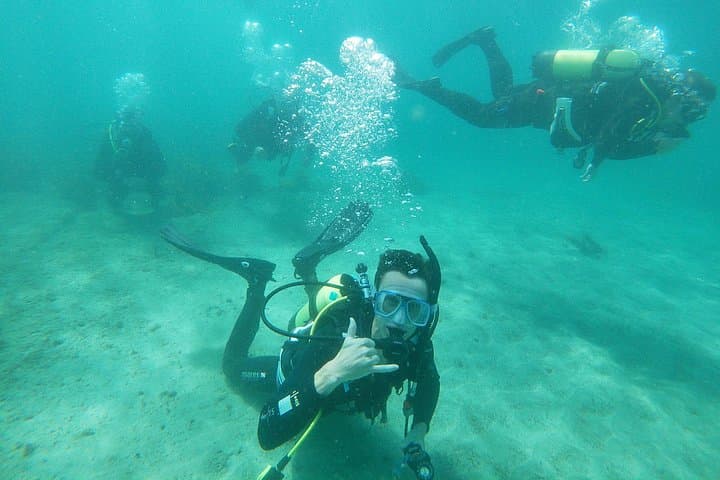
Expect guided entry from a small boat, multiple shallow-to-moderate depth dives, and close encounters with friendly reef fish, occasional rays, and robust crayfish populations. Visibility varies with season and swell—plan for cooler water and thermal protection. Practical points: bring proof of certification and your logbook, arrive with a light snack and hydration, and be ready to follow your divemaster’s briefings on buoyancy and no-take rules. Surface intervals are spent scanning the horizon—dolphins sometimes appear, curious and playful.
This trip balances accessible reef diving with strict marine-reserve etiquette, offering a focused, wildlife-rich day on one of Aotearoa’s most important coastal sites.
Yes—participants must hold a recognized scuba certification and present ID; operators require proof you’ve dived within the past 18 months.
Guided dives typically range from shallow reef dives (5–18m) to moderate depths depending on conditions and participant experience.
Full scuba gear and a divemaster are included, but you can bring personal items like masks, computers, and exposure suits for better fit.
The launch is near Leigh township; most travelers drive from Auckland (about 1–1.5 hours) and should follow operator directions to the boat ramp and parking.
Goat Island Dive & Snorkel operates guided outdoor trips and adventures with an emphasis on safety, stewardship, and memorable experiences.
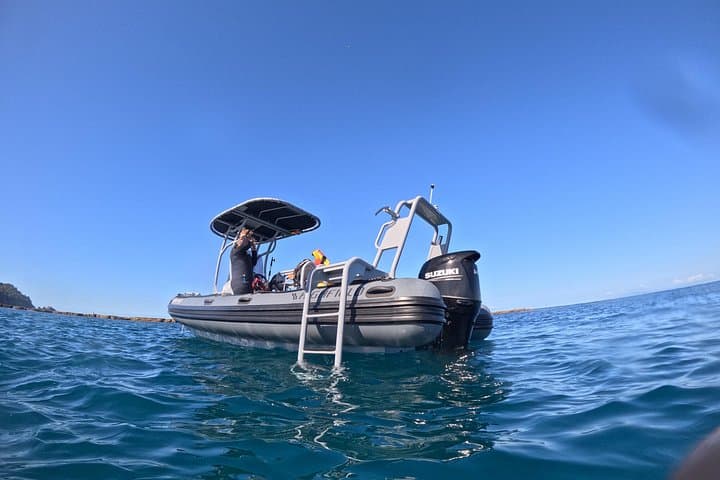
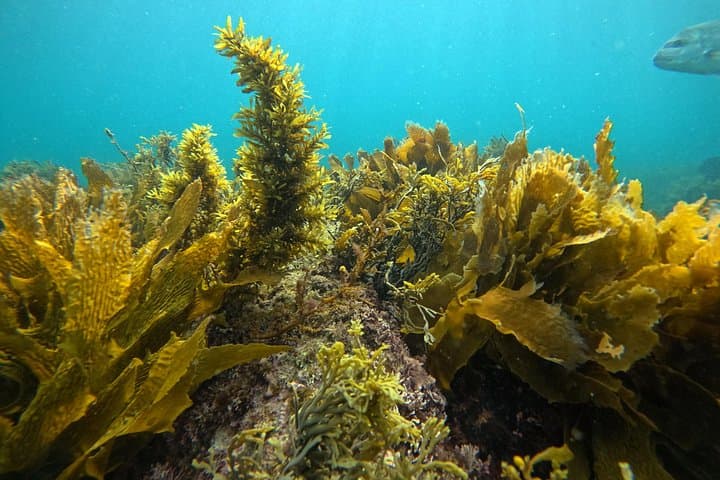
The morning air at Leigh smells of salt and kelp as the boat slips away from the ramp and into turquoise water. Waves nudge the hull and the headland of Goat Island resolves ahead—rocky outcrops, kelp forests swaying like tall grasses, and dark reef pinnacles that promise hidden crevices. The dive crew sorts gear with calm efficiency; the coast waits quietly, full of motion beneath the surface.
The morning air at Leigh smells of salt and kelp as the boat slips away from the ramp and into turquoise water. Waves nudge the hull and the headland of Goat Island resolves ahead—rocky outcrops, kelp forests swaying like tall grasses, and dark reef pinnacles that promise hidden crevices. The dive crew sorts gear with calm efficiency; the coast waits quietly, full of motion beneath the surface.
This is Cape Rodney–Okakari Point, one of New Zealand’s earliest marine reserves established in the 1970s. The reserve protects rocky reef ecosystems where kelp forests cling to hard substrate and schools of snapper and trevally patrol the shallows. Geologically the Leigh coast is a mix of fractured rock and reef platforms that create drop-offs and swim-throughs attractive to crayfish, octopus, and rays. Local fishing villages like Leigh have long relied on the sea; conservation here has shifted that relationship toward protection and study.
Expect guided entry from a small boat, multiple shallow-to-moderate depth dives, and close encounters with friendly reef fish, occasional rays, and robust crayfish populations. Visibility varies with season and swell—plan for cooler water and thermal protection. Practical points: bring proof of certification and your logbook, arrive with a light snack and hydration, and be ready to follow your divemaster’s briefings on buoyancy and no-take rules. Surface intervals are spent scanning the horizon—dolphins sometimes appear, curious and playful.
This trip balances accessible reef diving with strict marine-reserve etiquette, offering a focused, wildlife-rich day on one of Aotearoa’s most important coastal sites.