THE ADVENTURE COLLECTIVE® · Independent discovery and booking for outdoor travel

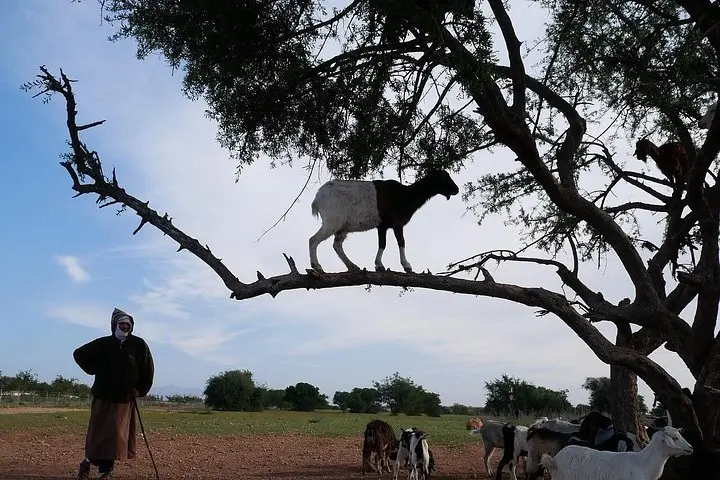
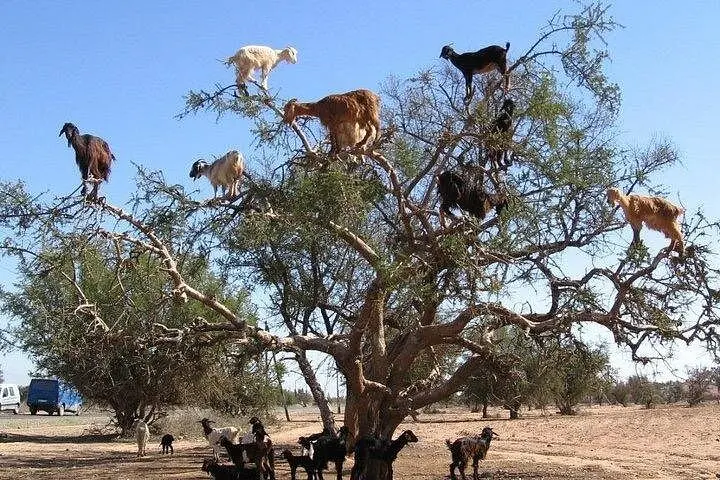
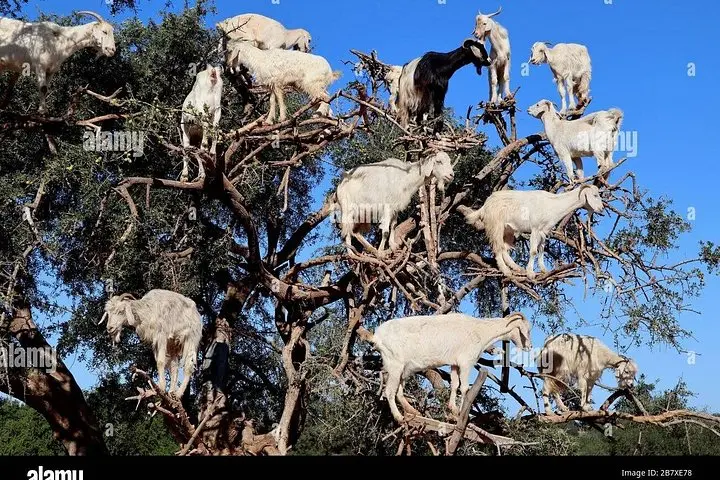
See the rare sight of goats climbing argan trees just south of Agadir, then visit a Berber argan oil cooperative. This short half-day excursion mixes wildlife viewing, cultural insight, and hands-on learning about traditional oil production.
See the rare sight of goats climbing argan trees just south of Agadir, then visit a Berber argan oil cooperative. This short half-day excursion mixes wildlife viewing, cultural insight, and hands-on learning about traditional oil production.
Early morning light hits the low scrub south of Agadir and the argan groves wake with the soft sound of goat hooves in branches.
You’ll stand a short distance from the road as does the driver on this 2–3 hour run, watching sure-footed goats pick leaves and sometimes perch high enough to silhouette against the sky. The landscape is spare—low plateaus of sandstone and red earth punctuated by rounded argan trees that have persisted on these coastal slopes for millennia.
Verified experiences and guided adventures in the surrounding area.
Operated by Omart tourisme agadir · Agadir, Souss-Massa
Early morning light hits the low scrub south of Agadir and the argan groves wake with the soft sound of goat hooves in branches.
You’ll stand a short distance from the road as does the driver on this 2–3 hour run, watching sure-footed goats pick leaves and sometimes perch high enough to silhouette against the sky. The landscape is spare—low plateaus of sandstone and red earth punctuated by rounded argan trees that have persisted on these coastal slopes for millennia.
Argan oil production is as much cultural history as agricultural practice here; Berber cooperatives still roast kernels and cold-press oil by hand, a social and economic tradition recognized within the Arganeraie Biosphere Reserve. Geologically the coast south of Agadir is shaped by uplifted marine terraces and eroded sedimentary rock, which gives the argan groves the thin, drought-hardened soils the trees tolerate.
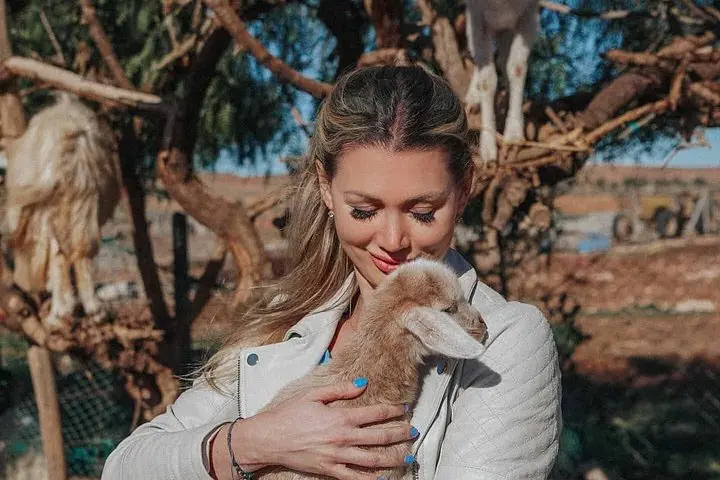
Expect a brief guided stop at a cooperative where you’ll learn the multi-step process from nut to jar and meet local women who manage production. The pace is easy—short walks between roadside groves and the cooperative—and suitable for most travelers.
Practical guidance: morning light makes for the best photos, bring a hat and water, and keep a respectful distance from the animals; goats are accustomed to people but can be skittish. Cash is useful for buying oil at the source. If you’re curious about wider conservation, add a visit to nearby protected stretches of the Souss-Massa coast to see migrating birds and coastal dunes.
The typical viewing area is about 10–20 km south of central Agadir, reached by a short drive on paved roads with pullouts for photos.
No—these goats are used to people but they are animals; keep a respectful distance and supervise children to avoid startling them.
Yes—cooperatives sell locally produced, often cold-pressed argan oil; check labels and ask about extraction methods for authenticity.
Yes—this is a low-impact tour appropriate for most ages, though young children should be supervised near animals and road pullouts.
Omart tourisme agadir operates guided outdoor trips and adventures with an emphasis on safety, stewardship, and memorable experiences.
Early morning light hits the low scrub south of Agadir and the argan groves wake with the soft sound of goat hooves in branches.
You’ll stand a short distance from the road as does the driver on this 2–3 hour run, watching sure-footed goats pick leaves and sometimes perch high enough to silhouette against the sky. The landscape is spare—low plateaus of sandstone and red earth punctuated by rounded argan trees that have persisted on these coastal slopes for millennia.
Argan oil production is as much cultural history as agricultural practice here; Berber cooperatives still roast kernels and cold-press oil by hand, a social and economic tradition recognized within the Arganeraie Biosphere Reserve. Geologically the coast south of Agadir is shaped by uplifted marine terraces and eroded sedimentary rock, which gives the argan groves the thin, drought-hardened soils the trees tolerate.
Expect a brief guided stop at a cooperative where you’ll learn the multi-step process from nut to jar and meet local women who manage production. The pace is easy—short walks between roadside groves and the cooperative—and suitable for most travelers.
Practical guidance: morning light makes for the best photos, bring a hat and water, and keep a respectful distance from the animals; goats are accustomed to people but can be skittish. Cash is useful for buying oil at the source. If you’re curious about wider conservation, add a visit to nearby protected stretches of the Souss-Massa coast to see migrating birds and coastal dunes.