THE ADVENTURE COLLECTIVE® · Independent discovery and booking for outdoor travel

Experience Naadam away from the capital’s crowds on a 14-day private tour that links Ulaanbaatar with Gorkhi Terelj, Kharkhorin and the Gobi’s dunes and cliffs. Expect local festivals, ger camps, long drives and vivid steppe landscapes.
Experience Naadam away from the capital’s crowds on a 14-day private tour that links Ulaanbaatar with Gorkhi Terelj, Kharkhorin and the Gobi’s dunes and cliffs. Expect local festivals, ger camps, long drives and vivid steppe landscapes.
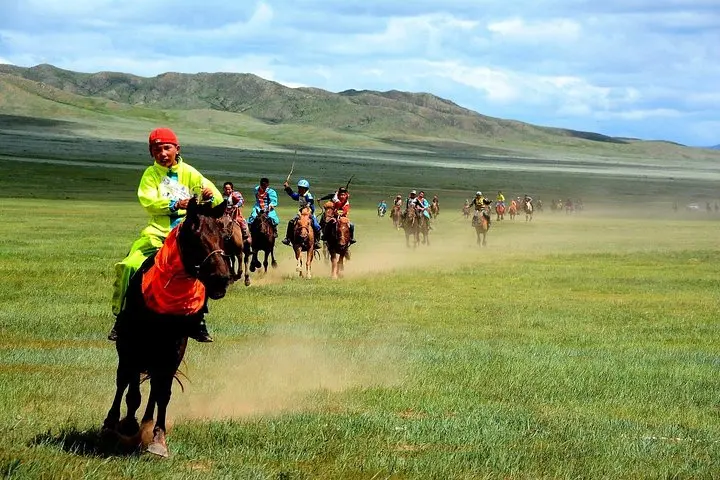
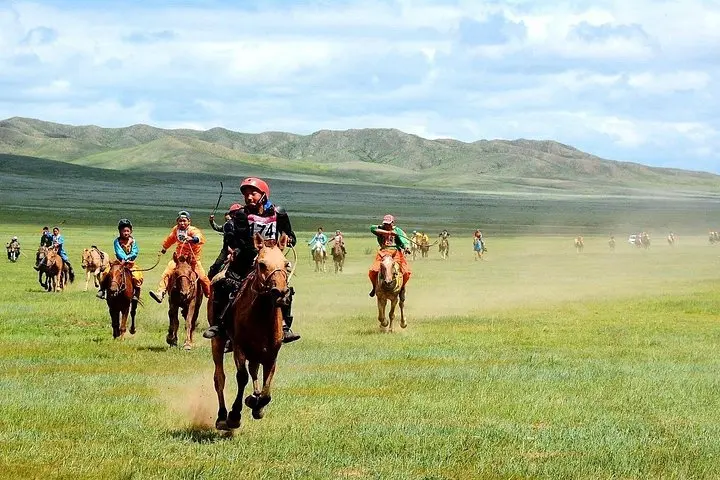
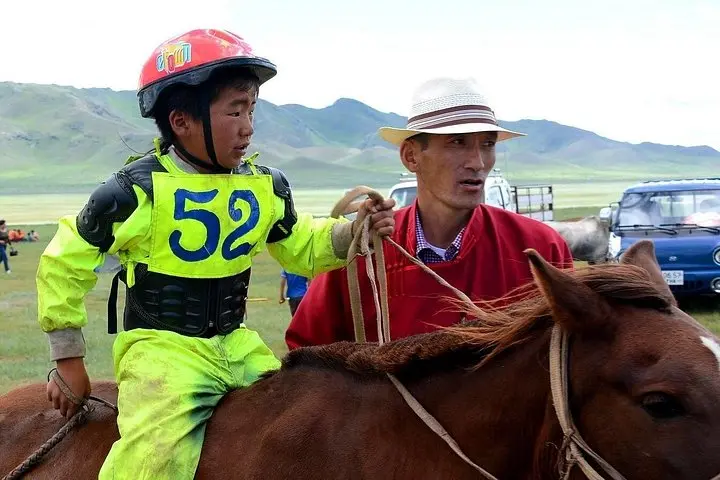
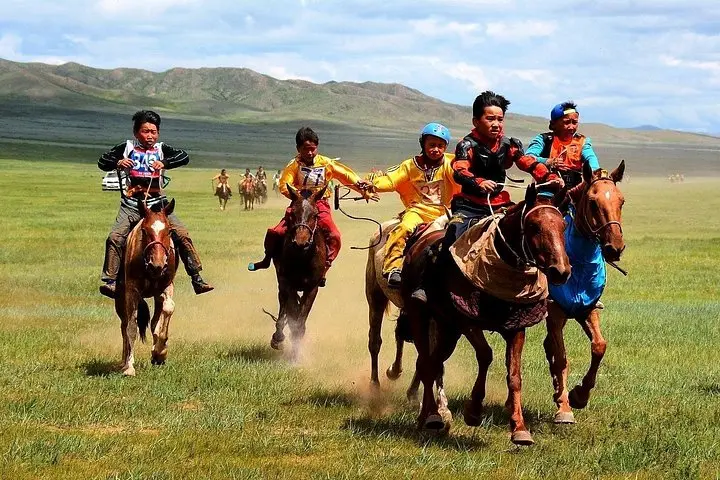
The crowd surges and then parts like grass under wind: wrestlers wrap hands, horses stamp the dust, and an old man in a deel lifts a blue silk khadag to the sky. This is Naadam not on television but in a khoshuu—small, local, and alive with the direct heat of community. Over 14 days the tour moves from Ulaanbaatar’s carved monuments and winter palaces to river canyons, flaming red cliffs and the slow, rolling dunes of the Gobi, tracing Mongolia’s history by foot, hoof and road.
Verified experiences and guided adventures in the surrounding area.
Operated by BumanTour Mongolia · Ulaanbaatar, Ulaanbaatar
The crowd surges and then parts like grass under wind: wrestlers wrap hands, horses stamp the dust, and an old man in a deel lifts a blue silk khadag to the sky. This is Naadam not on television but in a khoshuu—small, local, and alive with the direct heat of community. Over 14 days the tour moves from Ulaanbaatar’s carved monuments and winter palaces to river canyons, flaming red cliffs and the slow, rolling dunes of the Gobi, tracing Mongolia’s history by foot, hoof and road.
Naadam’s three games—wrestling, archery and horse racing—are a direct line to Mongolia’s pastoral past. The festival itself dates back centuries as a military muster and seasonal celebration; seeing it in a soum gives a clearer sense of how identity and competition bind families and herds together. Between competitions, the itinerary threads through sites of deep geological character: the Flaming Cliffs that reveal dinosaur fossils eroded from red sandstone, the Khongoryn Els whose shifting ridges look like an inland sea of sand, and the Orkhon Valley where river terraces mark millennia of shifting water.
Culture remains tactile. Guests sleep in tourist gers and small camps where hosts serve airag and boiled mutton, and where conversation slips quickly from horsemanship to songs about migration routes. Kharkhorin’s Erdene Zuu Monastery sits on the footprint of the ancient capital Karakorum, a place where eras collide—buddhist stupas and Mongol Empire relics sit within easy view of steppe horizon.
Practical travel notes: this is a private, vehicle-based trip over varied surfaces—paved roads give way to gravel and soft desert sand. Expect long drives (several 4–8 hour legs) and some short but steep walks at dunes and cliff overlooks. Fitness in the moderate range is required: you should be comfortable mounting horses for short rides and climbing dune faces.
Timing matters: attending a small local Naadam reduces crowds and gives more authentic interaction, but weather can swing quickly—summer delivers hot, dry days and cool nights; spring and fall are chillier with wind; winter is extreme and not recommended for this route.
Tips for comfort: layered clothing, sun protection and a durable pair of hiking boots will cover most conditions; bring cash for remote markets and a good water bottle—tap water can be scarce between towns. Respect local customs: ask before photographing religious objects or herders’ families.
At its best this itinerary is a conversation with Mongolia—loud, dusty, humble and generous—with a rhythm set by horses, festivals and the land itself. It asks travelers to move slowly, listen to local cues and leave footprints that will not change the pattern of a nomad’s day.
Yes—this private tour accommodates solo travelers, but you'll still travel in a group vehicle and join local Naadam events with hosts and guides.
Most activities are short hikes, dune climbs and cultural visits; horse rides are optional. A moderate fitness level is recommended for stability on uneven terrain.
Guides typically speak English; some hosts and local officials may speak only Mongolian—guides facilitate cultural interactions.
Tourist gers offer comfortable beds, basic heating and shared facilities; select nights are at higher-standard tourist camps and hotels in Ulaanbaatar.
Local meals are hearty and meat-heavy, but guides can arrange alternatives for common dietary restrictions with advance notice.
Travel insurance covering medical evacuation and trip interruption is strongly recommended given remote sections of the itinerary.
BumanTour Mongolia operates guided outdoor trips and adventures with an emphasis on safety, stewardship, and memorable experiences.
The crowd surges and then parts like grass under wind: wrestlers wrap hands, horses stamp the dust, and an old man in a deel lifts a blue silk khadag to the sky. This is Naadam not on television but in a khoshuu—small, local, and alive with the direct heat of community. Over 14 days the tour moves from Ulaanbaatar’s carved monuments and winter palaces to river canyons, flaming red cliffs and the slow, rolling dunes of the Gobi, tracing Mongolia’s history by foot, hoof and road.
The crowd surges and then parts like grass under wind: wrestlers wrap hands, horses stamp the dust, and an old man in a deel lifts a blue silk khadag to the sky. This is Naadam not on television but in a khoshuu—small, local, and alive with the direct heat of community. Over 14 days the tour moves from Ulaanbaatar’s carved monuments and winter palaces to river canyons, flaming red cliffs and the slow, rolling dunes of the Gobi, tracing Mongolia’s history by foot, hoof and road.
Naadam’s three games—wrestling, archery and horse racing—are a direct line to Mongolia’s pastoral past. The festival itself dates back centuries as a military muster and seasonal celebration; seeing it in a soum gives a clearer sense of how identity and competition bind families and herds together. Between competitions, the itinerary threads through sites of deep geological character: the Flaming Cliffs that reveal dinosaur fossils eroded from red sandstone, the Khongoryn Els whose shifting ridges look like an inland sea of sand, and the Orkhon Valley where river terraces mark millennia of shifting water.
Culture remains tactile. Guests sleep in tourist gers and small camps where hosts serve airag and boiled mutton, and where conversation slips quickly from horsemanship to songs about migration routes. Kharkhorin’s Erdene Zuu Monastery sits on the footprint of the ancient capital Karakorum, a place where eras collide—buddhist stupas and Mongol Empire relics sit within easy view of steppe horizon.
Practical travel notes: this is a private, vehicle-based trip over varied surfaces—paved roads give way to gravel and soft desert sand. Expect long drives (several 4–8 hour legs) and some short but steep walks at dunes and cliff overlooks. Fitness in the moderate range is required: you should be comfortable mounting horses for short rides and climbing dune faces.
Timing matters: attending a small local Naadam reduces crowds and gives more authentic interaction, but weather can swing quickly—summer delivers hot, dry days and cool nights; spring and fall are chillier with wind; winter is extreme and not recommended for this route.
Tips for comfort: layered clothing, sun protection and a durable pair of hiking boots will cover most conditions; bring cash for remote markets and a good water bottle—tap water can be scarce between towns. Respect local customs: ask before photographing religious objects or herders’ families.
At its best this itinerary is a conversation with Mongolia—loud, dusty, humble and generous—with a rhythm set by horses, festivals and the land itself. It asks travelers to move slowly, listen to local cues and leave footprints that will not change the pattern of a nomad’s day.