THE ADVENTURE COLLECTIVE® · Independent discovery and booking for outdoor travel

An eight-day overland route from Ulaanbaatar that moves from granite outcrops and ice canyons to towering dunes and fossil-rich cliffs. Expect long drives, short hikes, ger-camp nights and intimate encounters with Mongolia’s desert-steppe wilds.
An eight-day overland route from Ulaanbaatar that moves from granite outcrops and ice canyons to towering dunes and fossil-rich cliffs. Expect long drives, short hikes, ger-camp nights and intimate encounters with Mongolia’s desert-steppe wilds.
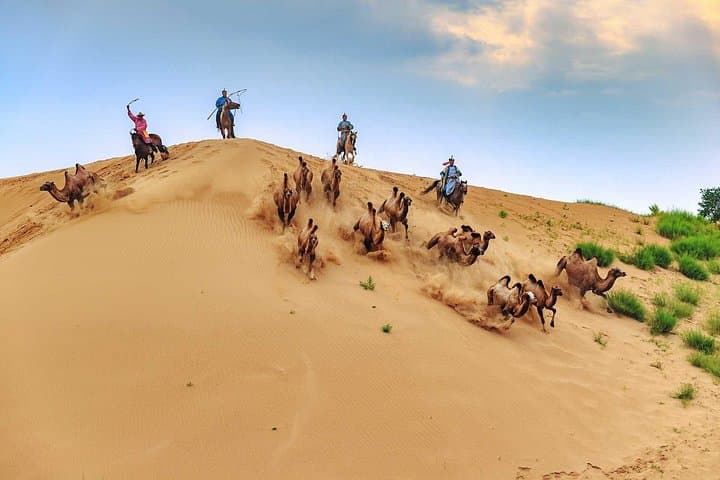
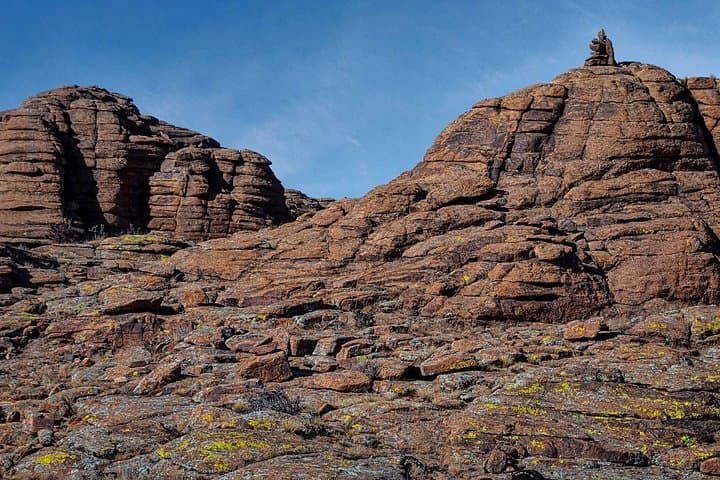
Wind carries sand across an endless horizon and the low sun turns the Flaming Cliffs molten orange — you step out of the vehicle and the Gobi speaks in wide, wind-sculpted sentences. This eight-day route threads granite tors, fossil-rich escarpments, narrow ice-filled canyons and vast crescent dunes, moving from Baga Gazryn Chuluu to Khongoryn Els and the historic Kharakhorum.
Verified experiences and guided adventures in the surrounding area.
Operated by Mongolian Tour Guide · Kharkhorin (Kharakhorum), Övörkhangai Province
Wind carries sand across an endless horizon and the low sun turns the Flaming Cliffs molten orange — you step out of the vehicle and the Gobi speaks in wide, wind-sculpted sentences. This eight-day route threads granite tors, fossil-rich escarpments, narrow ice-filled canyons and vast crescent dunes, moving from Baga Gazryn Chuluu to Khongoryn Els and the historic Kharakhorum.
The landscape is geological storytelling: Tsagaan Suvarga’s eroded limestone remembers an ancient seabed; Bayanzag’s red cliffs hold Cretaceous fossils found by Roy Chapman Andrews; Yoliin Am’s shaded slot canyon channels melt and wind above an otherwise open steppe. Culturally, you’ll encounter ger camps, small soum markets, and Ongiin Monastery ruins that recall Mongolia’s Buddhist and nomadic past.
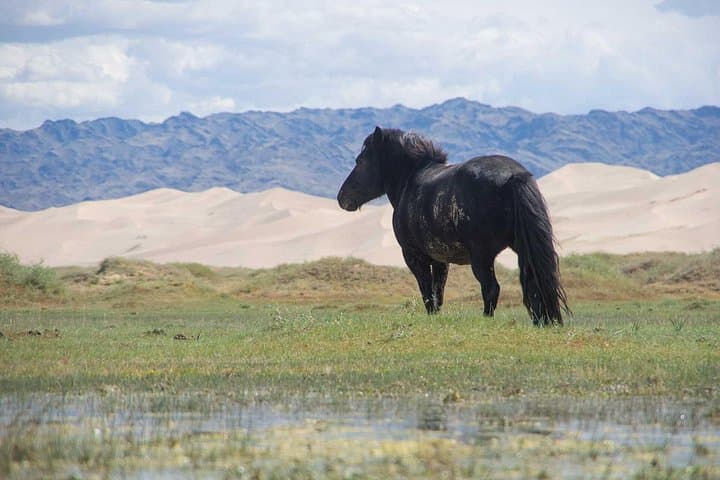
Expect long drives across sweepingly empty steppe punctuated by short walks — granite scrambles at Baga Gazryn, a dune climb on Khongoryn Els, and a gentle exploration around Erdenezuu Monastery. Wildlife sightings can include khulan (wild ass), Argali or ibex on higher ridges, and cranes or bustards in wetter pockets. Guides usually handle logistics, local meals, and overnight stays in family yurts or tourist ger camps.
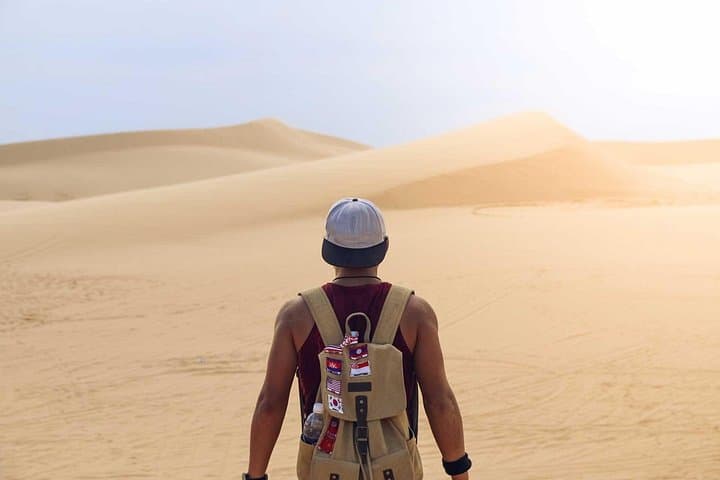
Practical tips: bring layered clothing for big diurnal swings, sun protection for exposed dunes, sturdy footwear for mixed terrain, and a refillable water bottle; mobile coverage is limited and facilities are basic outside towns. Plan buffer time for dust, weather and unpaved roads, and respect protected sites — fossils and fragile soils don’t recover quickly. This trip favors travelers who want remote scenery, cultural context, and honest, active travel across Mongolia’s southern wilds.
The trip involves long drives with short hikes and moderate dune climbs; no technical skills required and it’s marketed as suitable for most fitness levels.
Nights are spent in family yurts (gers) or tourist camps; facilities are basic and communal but comfortable for rural Mongolia.
Coverage is intermittent outside towns; camps often have limited electricity (solar or generator) so bring spare batteries and power banks.
No — removing fossils is illegal and damages scientific resources; visitors should photograph and report finds to guides or park authorities.
Mongolian Tour Guide operates guided outdoor trips and adventures with an emphasis on safety, stewardship, and memorable experiences.
Wind carries sand across an endless horizon and the low sun turns the Flaming Cliffs molten orange — you step out of the vehicle and the Gobi speaks in wide, wind-sculpted sentences. This eight-day route threads granite tors, fossil-rich escarpments, narrow ice-filled canyons and vast crescent dunes, moving from Baga Gazryn Chuluu to Khongoryn Els and the historic Kharakhorum.
Wind carries sand across an endless horizon and the low sun turns the Flaming Cliffs molten orange — you step out of the vehicle and the Gobi speaks in wide, wind-sculpted sentences. This eight-day route threads granite tors, fossil-rich escarpments, narrow ice-filled canyons and vast crescent dunes, moving from Baga Gazryn Chuluu to Khongoryn Els and the historic Kharakhorum.
The landscape is geological storytelling: Tsagaan Suvarga’s eroded limestone remembers an ancient seabed; Bayanzag’s red cliffs hold Cretaceous fossils found by Roy Chapman Andrews; Yoliin Am’s shaded slot canyon channels melt and wind above an otherwise open steppe. Culturally, you’ll encounter ger camps, small soum markets, and Ongiin Monastery ruins that recall Mongolia’s Buddhist and nomadic past.
Expect long drives across sweepingly empty steppe punctuated by short walks — granite scrambles at Baga Gazryn, a dune climb on Khongoryn Els, and a gentle exploration around Erdenezuu Monastery. Wildlife sightings can include khulan (wild ass), Argali or ibex on higher ridges, and cranes or bustards in wetter pockets. Guides usually handle logistics, local meals, and overnight stays in family yurts or tourist ger camps.
Practical tips: bring layered clothing for big diurnal swings, sun protection for exposed dunes, sturdy footwear for mixed terrain, and a refillable water bottle; mobile coverage is limited and facilities are basic outside towns. Plan buffer time for dust, weather and unpaved roads, and respect protected sites — fossils and fragile soils don’t recover quickly. This trip favors travelers who want remote scenery, cultural context, and honest, active travel across Mongolia’s southern wilds.