THE ADVENTURE COLLECTIVE® · Independent discovery and booking for outdoor travel

Cross Mongolia from the Gobi’s singing dunes to the cool larch margins of the Khangai on a private 14-day itinerary. Expect long drives, a multi-day horse trek to the Eight Lakes, cultural sites like Erdene Zuu, and nights in nomadic gers.
Cross Mongolia from the Gobi’s singing dunes to the cool larch margins of the Khangai on a private 14-day itinerary. Expect long drives, a multi-day horse trek to the Eight Lakes, cultural sites like Erdene Zuu, and nights in nomadic gers.
The morning light slices across a sea of low gers and horse herds as your vehicle leaves Ulaanbaatar and the Gobi opens like a weathered map. Wind-polished granite at Baga Gazriin Chuluu gives way to the lunar slopes of Tsagaan Suvraga, then the rippling Khongor sand sea where the dunes sing under your boots. By the week’s midpoint the landscape flips: red cliffs and saxaul forests around Bayanzag yield to the cool larch foothills of the Khangai and the remote Eight Lakes.
Verified experiences and guided adventures in the surrounding area.
Operated by Mongolian Vision Tours · Ulaanbaatar, Ulaanbaatar
The morning light slices across a sea of low gers and horse herds as your vehicle leaves Ulaanbaatar and the Gobi opens like a weathered map. Wind-polished granite at Baga Gazriin Chuluu gives way to the lunar slopes of Tsagaan Suvraga, then the rippling Khongor sand sea where the dunes sing under your boots. By the week’s midpoint the landscape flips: red cliffs and saxaul forests around Bayanzag yield to the cool larch foothills of the Khangai and the remote Eight Lakes.
This route follows visible chapters of Mongolia’s past and geology: Cretaceous fossils at the Flaming Cliffs, millennia of nomadic movement through Orkhon Valley — once the heartland of the Mongol Empire — and volcanic remnants in the Khangai that create lava-strewn horse trails. Cultural threads are close at hand: centuries-old Erdene Zuu monastery at Kharhorin, restored Ongi lamasery ruins, and persistent throat of yak-milk tea offered by host families.
Practically, expect long drives (several 200–300 km transfer days), mixed terrain from hard-packed desert tracks to loose dune sand and rocky lava trails, and a 4–5 hour horse trek to the Eight Lakes with intermittent hiking to Shireet Lake. Peak daytime temps can be hot in the Gobi while nights drop sharply; some ice can remain in Yoliin Am into summer. Pack high-traction boots, layered clothing, sun protection, and enough patience for remote travel rhythms. The itinerary is private and fully catered, blending vehicle logistics with active, horse-based days — an expedition suited to travelers who want immersive landscapes and nomadic hospitality without sacrificing basic comforts.
The horse trek is 4–5 hours over rough, lava-strewn trails; riders should be comfortable on a horse for several hours and able to mount/dismount independently.
Meals listed in the itinerary include breakfasts, lunches and most dinners; accommodations vary between tourist ger camps, nomadic family gers and occasional tents depending on location.
June through September offers the mildest weather and accessible roads; shoulder seasons can be cool and Yoliin Am may retain ice into July in shaded sections.
The tour notes it is suitable for all fitness levels, but horse trekking and remote terrain may challenge young children or guests with limited mobility—discuss alternatives with the operator.
Mongolian Vision Tours operates guided outdoor trips and adventures with an emphasis on safety, stewardship, and memorable experiences.
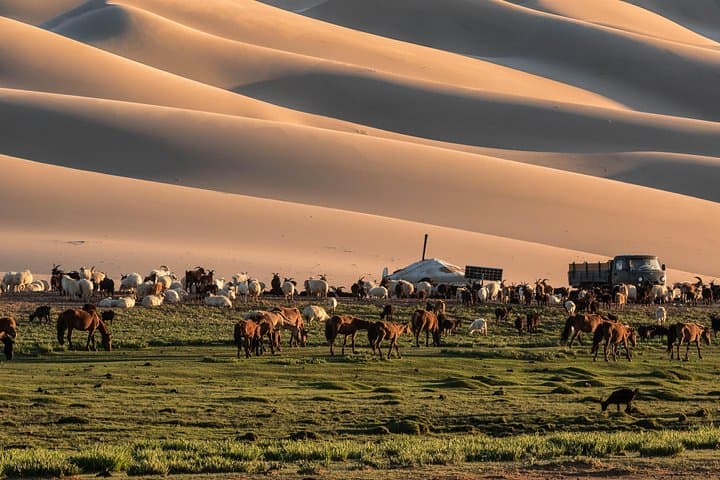
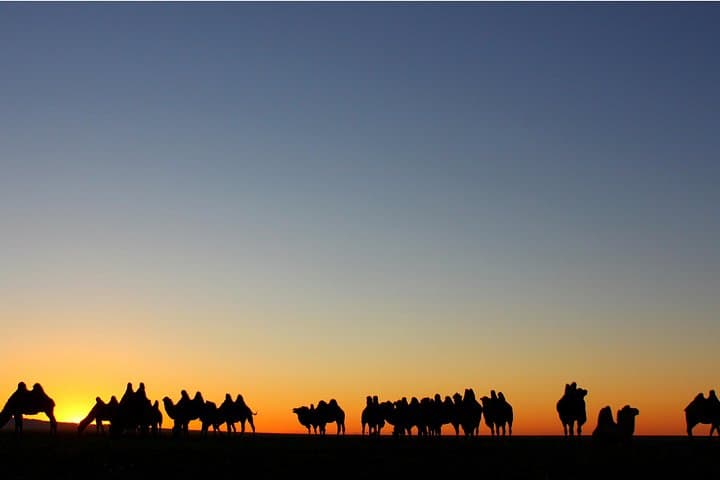
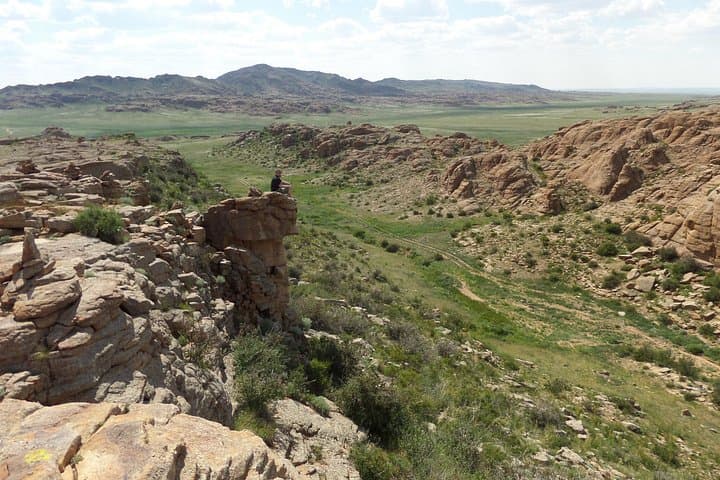
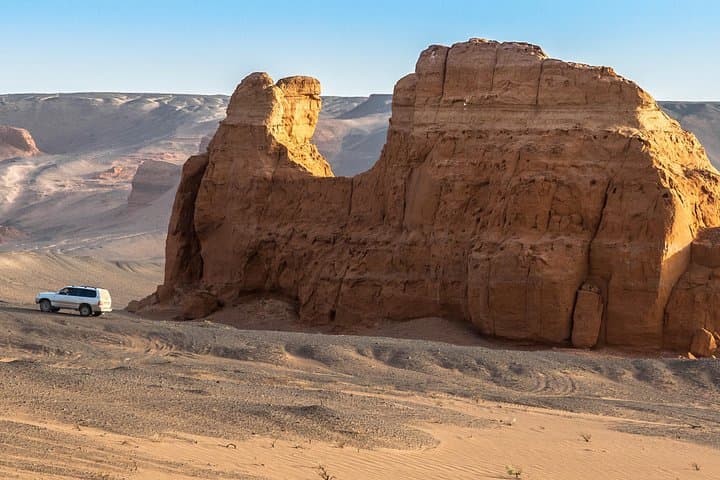
The morning light slices across a sea of low gers and horse herds as your vehicle leaves Ulaanbaatar and the Gobi opens like a weathered map. Wind-polished granite at Baga Gazriin Chuluu gives way to the lunar slopes of Tsagaan Suvraga, then the rippling Khongor sand sea where the dunes sing under your boots. By the week’s midpoint the landscape flips: red cliffs and saxaul forests around Bayanzag yield to the cool larch foothills of the Khangai and the remote Eight Lakes.
The morning light slices across a sea of low gers and horse herds as your vehicle leaves Ulaanbaatar and the Gobi opens like a weathered map. Wind-polished granite at Baga Gazriin Chuluu gives way to the lunar slopes of Tsagaan Suvraga, then the rippling Khongor sand sea where the dunes sing under your boots. By the week’s midpoint the landscape flips: red cliffs and saxaul forests around Bayanzag yield to the cool larch foothills of the Khangai and the remote Eight Lakes.
This route follows visible chapters of Mongolia’s past and geology: Cretaceous fossils at the Flaming Cliffs, millennia of nomadic movement through Orkhon Valley — once the heartland of the Mongol Empire — and volcanic remnants in the Khangai that create lava-strewn horse trails. Cultural threads are close at hand: centuries-old Erdene Zuu monastery at Kharhorin, restored Ongi lamasery ruins, and persistent throat of yak-milk tea offered by host families.
Practically, expect long drives (several 200–300 km transfer days), mixed terrain from hard-packed desert tracks to loose dune sand and rocky lava trails, and a 4–5 hour horse trek to the Eight Lakes with intermittent hiking to Shireet Lake. Peak daytime temps can be hot in the Gobi while nights drop sharply; some ice can remain in Yoliin Am into summer. Pack high-traction boots, layered clothing, sun protection, and enough patience for remote travel rhythms. The itinerary is private and fully catered, blending vehicle logistics with active, horse-based days — an expedition suited to travelers who want immersive landscapes and nomadic hospitality without sacrificing basic comforts.