THE ADVENTURE COLLECTIVE® · Independent discovery and booking for outdoor travel

Ride a 4x4 across Mars-like plains to see bubbling mud volcanoes and millennia-old rock carvings near Baku. This half-day safari mixes geology, history, and a local lunch for a compact introduction to Azerbaijan’s wild side.
Ride a 4x4 across Mars-like plains to see bubbling mud volcanoes and millennia-old rock carvings near Baku. This half-day safari mixes geology, history, and a local lunch for a compact introduction to Azerbaijan’s wild side.
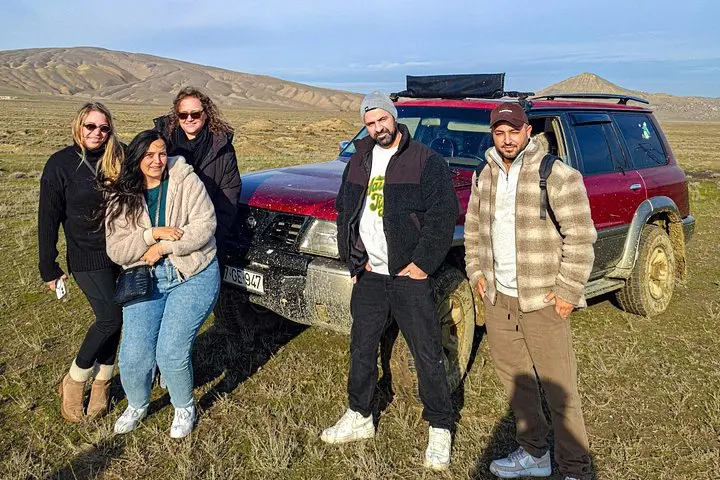
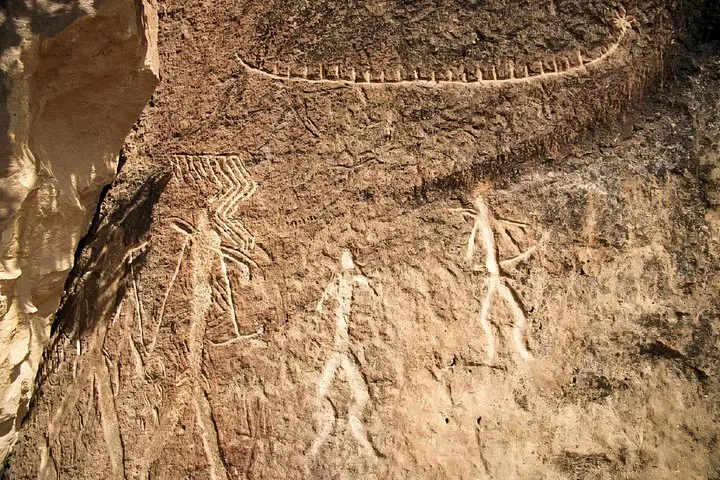
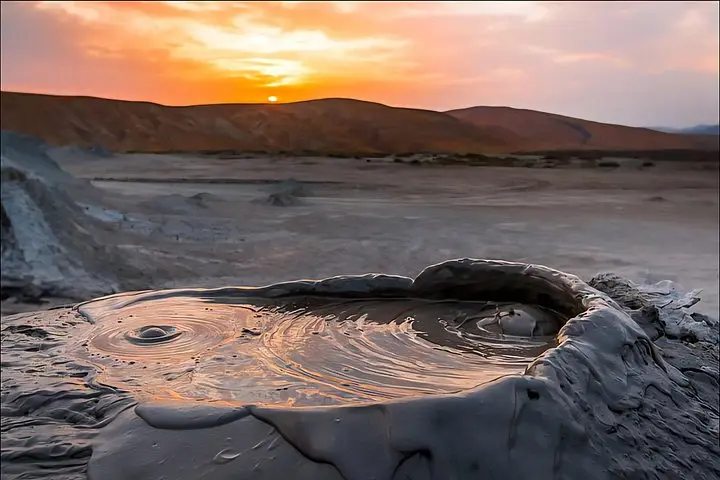
You step out of the 4x4 into a wind-scrubbed plain where the earth seems to breathe—slick, bubbling mud cones nearby, carved rock faces ahead. The ride from Baku drops you into an otherworldly sweep of ochre soil, scattered stones, and low scrub; the Jek people’s ancestors left spirals and hunting scenes on these slabs thousands of years ago, and the landscape still feels alive.
Verified experiences and guided adventures in the surrounding area.
Operated by CaspiGo · Gobustan, Gobustan District
You step out of the 4x4 into a wind-scrubbed plain where the earth seems to breathe—slick, bubbling mud cones nearby, carved rock faces ahead. The ride from Baku drops you into an otherworldly sweep of ochre soil, scattered stones, and low scrub; the Jek people’s ancestors left spirals and hunting scenes on these slabs thousands of years ago, and the landscape still feels alive.
Gobustan’s petroglyphs date back tens of thousands of years and track hunter-gatherer life across changing climates. Geologically, the mud volcanoes are driven by subterranean gas pushing mud to the surface; Azerbaijan hosts more than half the world’s known mud volcanoes, making this a rare field lab of active geology. Culturally, the area sits at the crossroads of Caspian trade routes—an intersection of nomadic past and oil-era present — visible in rusting derricks on the horizon.
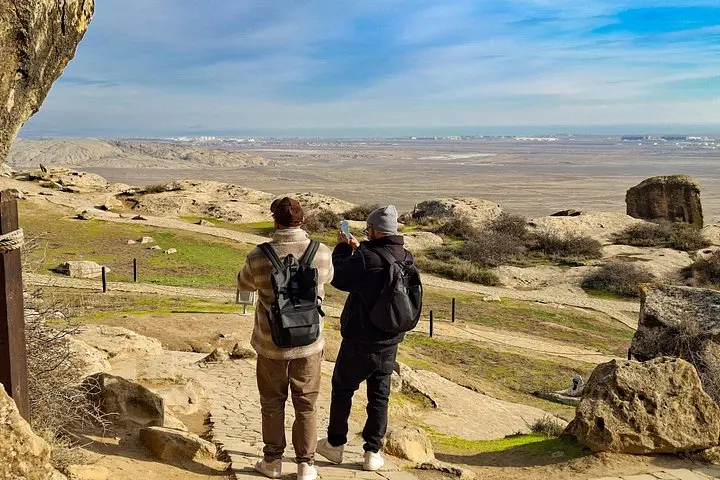
Expect bumpy off-road sections, short walks on rocky ground, and close-up views of small but dramatic mud cones. The rock art site involves uneven stone surfaces and low climbs; there’s minimal elevation change but loose footing.
Practical tips: bring sun protection, at least 1–2 liters of water, and sturdy shoes for traction. Layers help with coastal winds and sudden sun. Photography is excellent midday for clear light, though early morning or late afternoon softens shadows. Local guides add context on geology and glyphs and usually include a simple lunch of regional fare. The route is suitable for most fitness levels, but the off-road ride can be rough—hold on and enjoy the view.
Yes; most tours include hotel pickup and drop-off in Baku as part of the package.
Entrance or park fees are sometimes not included—confirm with the operator and carry local currency for any on-site charges.
You can safely view many mud volcanoes from designated stops, but stay on marked areas and follow your guide’s instructions due to unstable ground near vents.
The tour is generally suitable for all ages, but the off-road ride and uneven walking surfaces may be uncomfortable for very young children or those with mobility issues.
CaspiGo operates guided outdoor trips and adventures with an emphasis on safety, stewardship, and memorable experiences.
You step out of the 4x4 into a wind-scrubbed plain where the earth seems to breathe—slick, bubbling mud cones nearby, carved rock faces ahead. The ride from Baku drops you into an otherworldly sweep of ochre soil, scattered stones, and low scrub; the Jek people’s ancestors left spirals and hunting scenes on these slabs thousands of years ago, and the landscape still feels alive.
You step out of the 4x4 into a wind-scrubbed plain where the earth seems to breathe—slick, bubbling mud cones nearby, carved rock faces ahead. The ride from Baku drops you into an otherworldly sweep of ochre soil, scattered stones, and low scrub; the Jek people’s ancestors left spirals and hunting scenes on these slabs thousands of years ago, and the landscape still feels alive.
Gobustan’s petroglyphs date back tens of thousands of years and track hunter-gatherer life across changing climates. Geologically, the mud volcanoes are driven by subterranean gas pushing mud to the surface; Azerbaijan hosts more than half the world’s known mud volcanoes, making this a rare field lab of active geology. Culturally, the area sits at the crossroads of Caspian trade routes—an intersection of nomadic past and oil-era present — visible in rusting derricks on the horizon.
Expect bumpy off-road sections, short walks on rocky ground, and close-up views of small but dramatic mud cones. The rock art site involves uneven stone surfaces and low climbs; there’s minimal elevation change but loose footing.
Practical tips: bring sun protection, at least 1–2 liters of water, and sturdy shoes for traction. Layers help with coastal winds and sudden sun. Photography is excellent midday for clear light, though early morning or late afternoon softens shadows. Local guides add context on geology and glyphs and usually include a simple lunch of regional fare. The route is suitable for most fitness levels, but the off-road ride can be rough—hold on and enjoy the view.