THE ADVENTURE COLLECTIVE® · Independent discovery and booking for outdoor travel

Step away from Baku’s skyline into a landscape where human marks and geological forces meet: Gobustan’s millennia-old petroglyphs and Azerbaijan’s steaming mud volcanoes make a compact, surprising day trip. Practical tips and cultural context help you get the most from the four-hour tour.
Step away from Baku’s skyline into a landscape where human marks and geological forces meet: Gobustan’s millennia-old petroglyphs and Azerbaijan’s steaming mud volcanoes make a compact, surprising day trip. Practical tips and cultural context help you get the most from the four-hour tour.
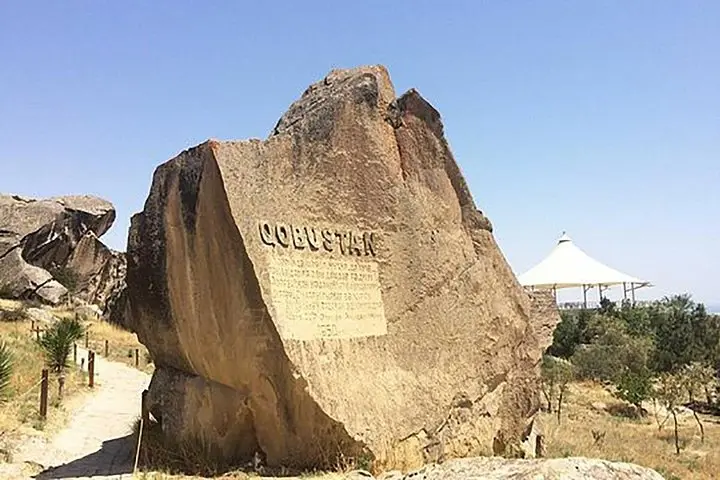
The bus eases off the highway and the city’s glass towers fall away, replaced by a wind-creased plain where stone outcrops rise like pages in an open book. In the late-morning light the rocks at Gobustan throw sharp shadows: centuries of human marks, scratched and hammered into the weathered bedrock, stare back at the small group stepping carefully across the boulders.
Verified experiences and guided adventures in the surrounding area.
Operated by Azerbaijanguide.az · Baku, Gobustan District
The bus eases off the highway and the city’s glass towers fall away, replaced by a wind-creased plain where stone outcrops rise like pages in an open book. In the late-morning light the rocks at Gobustan throw sharp shadows: centuries of human marks, scratched and hammered into the weathered bedrock, stare back at the small group stepping carefully across the boulders.
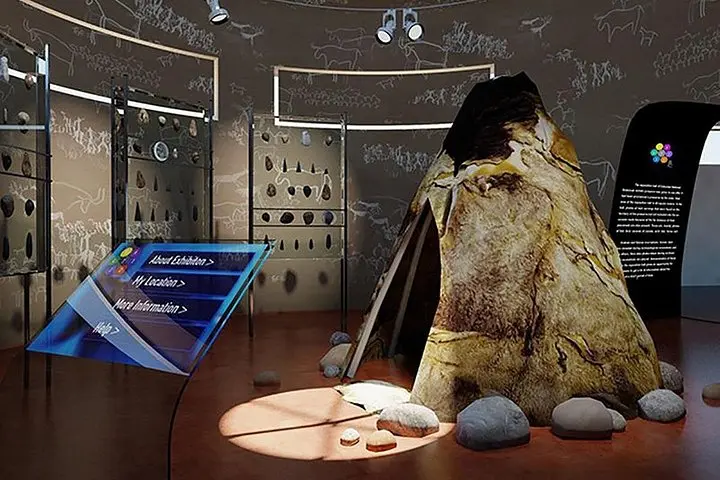
Gobustan is not just a site; it’s an archive. More than 6,000 petroglyphs span scenes of hunters, boats, and ritual gestures—images that extend from the Upper Paleolithic through the Middle Ages. This stretch of the Absheron peninsula also holds cave dwellings, hearths and the odd Gavaldash, a musical rock locals say sings when struck. The area’s story folds into a larger geological one: rising and falling seas, sediment deposition and tectonic stress sculpted the landscape visitors cross today.
A short drive away, the mood shifts from carved rock to alien mud cones. Azerbaijan hosts hundreds of the world’s mud volcanoes; here they bubble, sigh and occasionally spurt breccia—thick flows that create a moonscape of cracked, grey folds. Guides park on a dirt track and lead visitors across hard-packed terraces to watch steam vent and viscous mud slump down cone flanks. On fine days some travelers test the local curative lore and smear a fingertip of warm mud, but the guide advises restraint and hygiene.
Culturally the excursion closes at Bibi Heybat, a reconstructed mosque with blue tile and a long history as a pilgrimage site. It’s a calm counterpoint: whispers, prayer beads and the soft shadow of the arcade after the open exposure of the reserve.
Practicalities: the round-trip from central Baku is roughly 60 km and the tour is about four hours; expect multiple short walks on uneven, rocky ground, and a bumpy off-road section to the mud volcanoes. Wear supportive shoes (sneakers or light hiking shoes) and sun protection; bring a refillable bottle—water is provided but summer sun can be relentless. Mobility is generally accommodating—transport and many paths are accessible—but the petroglyph slopes require careful footing.
Timing matters: morning light is best for petroglyph detail and softer temperatures at the volcanoes. Respect the rock art—touch sparingly and never climb on panels—and follow your guide’s directions around hot vents. For travelers interested in history, geology or unusual landscapes, the Gobustan and mud volcano combo is a compact, richly varied day out from Baku that pairs tangible antiquity with elemental geology.
The one-way trip is roughly 60 km and typically takes 45–75 minutes depending on traffic and the route.
Small areas may be reachable but guests are advised to avoid touching the engravings to prevent damage; follow guide instruction.
Some cones have warm, viscous mud used locally for skin remedies—ask your guide first and rinse afterwards; avoid active vents.
Transport and some paths are accessible, but rocky petroglyph slopes and off-road access to volcanoes may limit full mobility—check with the operator before booking.
Layered clothing, sun protection, and a wind shell are useful—conditions can shift quickly on the plain.
According to the itinerary, entry to certain sites is included; confirm specifics with the operator at booking.
Azerbaijanguide.az operates guided outdoor trips and adventures with an emphasis on safety, stewardship, and memorable experiences.

The bus eases off the highway and the city’s glass towers fall away, replaced by a wind-creased plain where stone outcrops rise like pages in an open book. In the late-morning light the rocks at Gobustan throw sharp shadows: centuries of human marks, scratched and hammered into the weathered bedrock, stare back at the small group stepping carefully across the boulders.
The bus eases off the highway and the city’s glass towers fall away, replaced by a wind-creased plain where stone outcrops rise like pages in an open book. In the late-morning light the rocks at Gobustan throw sharp shadows: centuries of human marks, scratched and hammered into the weathered bedrock, stare back at the small group stepping carefully across the boulders.
Gobustan is not just a site; it’s an archive. More than 6,000 petroglyphs span scenes of hunters, boats, and ritual gestures—images that extend from the Upper Paleolithic through the Middle Ages. This stretch of the Absheron peninsula also holds cave dwellings, hearths and the odd Gavaldash, a musical rock locals say sings when struck. The area’s story folds into a larger geological one: rising and falling seas, sediment deposition and tectonic stress sculpted the landscape visitors cross today.
A short drive away, the mood shifts from carved rock to alien mud cones. Azerbaijan hosts hundreds of the world’s mud volcanoes; here they bubble, sigh and occasionally spurt breccia—thick flows that create a moonscape of cracked, grey folds. Guides park on a dirt track and lead visitors across hard-packed terraces to watch steam vent and viscous mud slump down cone flanks. On fine days some travelers test the local curative lore and smear a fingertip of warm mud, but the guide advises restraint and hygiene.
Culturally the excursion closes at Bibi Heybat, a reconstructed mosque with blue tile and a long history as a pilgrimage site. It’s a calm counterpoint: whispers, prayer beads and the soft shadow of the arcade after the open exposure of the reserve.
Practicalities: the round-trip from central Baku is roughly 60 km and the tour is about four hours; expect multiple short walks on uneven, rocky ground, and a bumpy off-road section to the mud volcanoes. Wear supportive shoes (sneakers or light hiking shoes) and sun protection; bring a refillable bottle—water is provided but summer sun can be relentless. Mobility is generally accommodating—transport and many paths are accessible—but the petroglyph slopes require careful footing.
Timing matters: morning light is best for petroglyph detail and softer temperatures at the volcanoes. Respect the rock art—touch sparingly and never climb on panels—and follow your guide’s directions around hot vents. For travelers interested in history, geology or unusual landscapes, the Gobustan and mud volcano combo is a compact, richly varied day out from Baku that pairs tangible antiquity with elemental geology.