THE ADVENTURE COLLECTIVE® · Independent discovery and booking for outdoor travel

Walk a line of six beaches on Karnataka’s Arabian coast, camp on raw sand and follow headlands that open onto wide sea views. This two-day trek pairs beachside calm with short rocky climbs and options for waterfalls, caves and a 16th-century fort on day two.
Walk a line of six beaches on Karnataka’s Arabian coast, camp on raw sand and follow headlands that open onto wide sea views. This two-day trek pairs beachside calm with short rocky climbs and options for waterfalls, caves and a 16th-century fort on day two.
Salt wind cuts across the ridge between beaches as you step from one crescent of sand to the next, footprints filling and dissolving with each outgoing tide. The Gokarna Beach Trek threads raw coastline, rocky headlands and rare stretches with no stalls or shacks — a place where the ocean's voice is the main company.
Verified experiences and guided adventures in the surrounding area.
Operated by Adventuresome · Gokarna, Karnataka
Salt wind cuts across the ridge between beaches as you step from one crescent of sand to the next, footprints filling and dissolving with each outgoing tide. The Gokarna Beach Trek threads raw coastline, rocky headlands and rare stretches with no stalls or shacks — a place where the ocean's voice is the main company.
Geology here is honest: laterite cliffs and black-traced sand give way to granite outcrops and tidal pools. From the western ghats to the Arabian Sea, the route slides between forested backcountry and exposed heads that reward short, sharp climbs with wide sea views. Gokarna town itself is a living junction of pilgrimage and beach culture — the Mahabaleshwar temple and the lore of the Atmalinga anchor the town’s quieter rhythms even as trekkers arrive.
Expect about 10–15 km of walking on day one as you move across Belkan, Paradise, Om, Kudle and Gokarna beaches, with short, uneven rocky sections and a night of beach camping beneath clear, star-bright skies. Day two opens options: a freshwater plunge at Vibhuti Falls, a walk through the fortified echoes of Mirjan Fort, or the dramatic karst spires of Yana.
Practical edge: start early to avoid midday heat, carry 2–3 liters of water, and choose footwear that handles both sand and sharp rock. Monsoon months (June–September) make trails slippery and seas rough; the best windows are late winter through spring and post-monsoon autumn. With modest navigation skills and a willingness to cross rocky sections, this trek is an accessible, rewarding coastal expedition that balances quiet beaches with local history and wild shoreline scenery.
Expect roughly 10–15 km of walking on the main beach day depending on exact routes and detours to headlands.
Yes — the itinerary includes beach camping with basic equipment; confirm what's supplied and what you must bring.
Avoid the monsoon (June–September). Late winter to spring and post‑monsoon autumn provide the most stable weather and sea conditions.
No technical climbing is required, but sections are uneven and rocky; good footwear and balance are important.
Adventuresome operates guided outdoor trips and adventures with an emphasis on safety, stewardship, and memorable experiences.
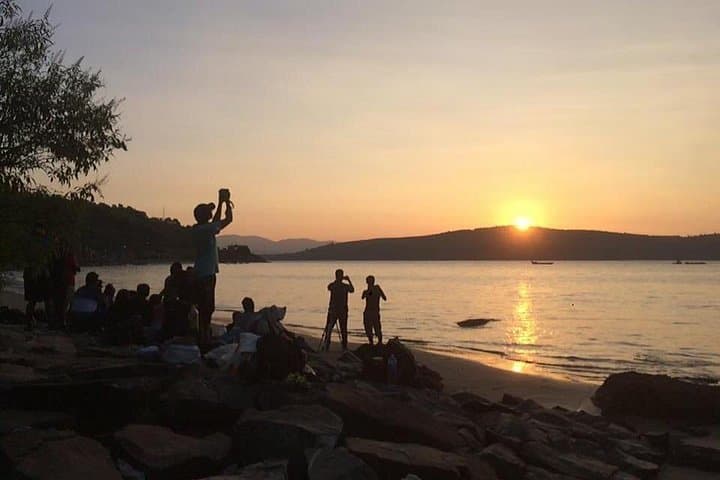

Salt wind cuts across the ridge between beaches as you step from one crescent of sand to the next, footprints filling and dissolving with each outgoing tide. The Gokarna Beach Trek threads raw coastline, rocky headlands and rare stretches with no stalls or shacks — a place where the ocean's voice is the main company.
Salt wind cuts across the ridge between beaches as you step from one crescent of sand to the next, footprints filling and dissolving with each outgoing tide. The Gokarna Beach Trek threads raw coastline, rocky headlands and rare stretches with no stalls or shacks — a place where the ocean's voice is the main company.
Geology here is honest: laterite cliffs and black-traced sand give way to granite outcrops and tidal pools. From the western ghats to the Arabian Sea, the route slides between forested backcountry and exposed heads that reward short, sharp climbs with wide sea views. Gokarna town itself is a living junction of pilgrimage and beach culture — the Mahabaleshwar temple and the lore of the Atmalinga anchor the town’s quieter rhythms even as trekkers arrive.
Expect about 10–15 km of walking on day one as you move across Belkan, Paradise, Om, Kudle and Gokarna beaches, with short, uneven rocky sections and a night of beach camping beneath clear, star-bright skies. Day two opens options: a freshwater plunge at Vibhuti Falls, a walk through the fortified echoes of Mirjan Fort, or the dramatic karst spires of Yana.
Practical edge: start early to avoid midday heat, carry 2–3 liters of water, and choose footwear that handles both sand and sharp rock. Monsoon months (June–September) make trails slippery and seas rough; the best windows are late winter through spring and post-monsoon autumn. With modest navigation skills and a willingness to cross rocky sections, this trek is an accessible, rewarding coastal expedition that balances quiet beaches with local history and wild shoreline scenery.