THE ADVENTURE COLLECTIVE® · Independent discovery and booking for outdoor travel

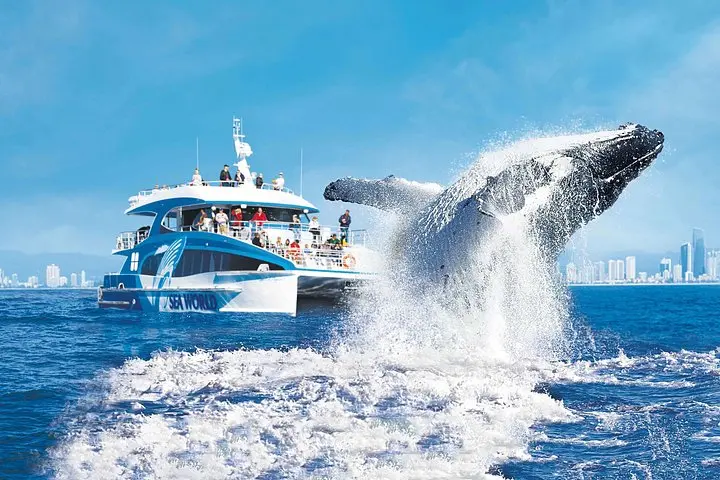
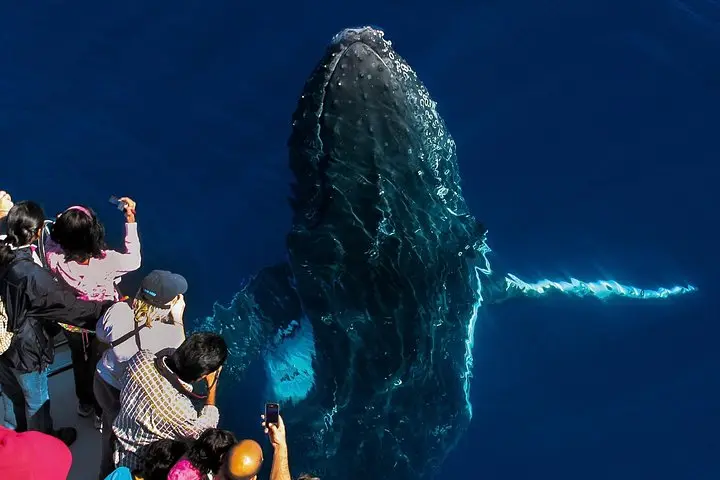
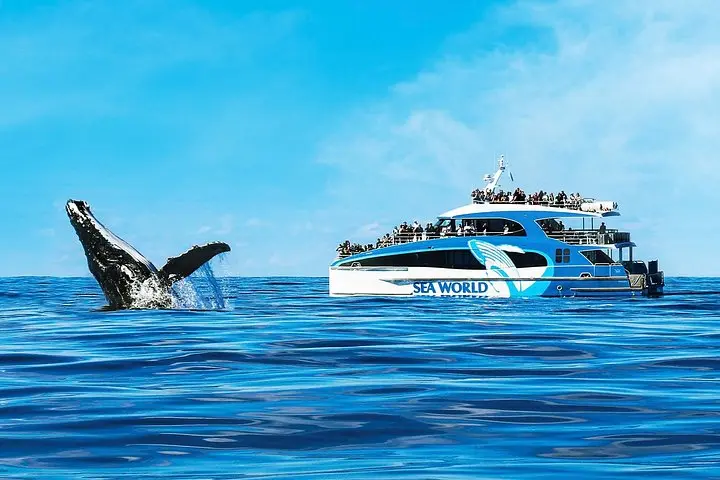
Board the Spirit of Migaloo II at Sea World’s Main Beach terminal for a 2.5-hour cruise along the Humpback Highway. Learn from marine naturalists, listen to whale song via hydrophones, and watch for breaches and tail slaps during the June–November migration.
Board the Spirit of Migaloo II at Sea World’s Main Beach terminal for a 2.5-hour cruise along the Humpback Highway. Learn from marine naturalists, listen to whale song via hydrophones, and watch for breaches and tail slaps during the June–November migration.
The harbor smells of salt and diesel as the Spirit of Migaloo II slips away from the Sea World Cruise Terminal at Main Beach. Foamy wake cuts a line toward the open Tasman, and the skyline of the Gold Coast shrinks behind you as the ocean opens. Expect the sudden hush when a spout breaks the surface and a dark back arcs — whales that have been moving along the east coast for millennia, now passing within view.
Verified experiences and guided adventures in the surrounding area.
Operated by Sea World Cruises · Main Beach, Queensland
The harbor smells of salt and diesel as the Spirit of Migaloo II slips away from the Sea World Cruise Terminal at Main Beach. Foamy wake cuts a line toward the open Tasman, and the skyline of the Gold Coast shrinks behind you as the ocean opens. Expect the sudden hush when a spout breaks the surface and a dark back arcs — whales that have been moving along the east coast for millennia, now passing within view.
This corridor is part of the Humpback Highway: an annual migration route humpbacks use between Antarctic feeding grounds and Queensland breeding waters. The coastline here is young — broad sand spits, a shallow continental shelf and offshore islands like Wavebreak and South Stradbroke that shape local currents and where whales often linger. The Gold Coast sits on Yugambeh country; local guides commonly reference Indigenous maritime connections when contextualizing sightings.
Practical guidance begins with timing: cruises run about 2.5 hours and operate most reliably during the migration window (June–November). The vessel is purpose-built for viewing with hydrophones and underwater cameras when conditions allow; bring binoculars and a windproof layer. Sea conditions can change quickly — secure gear, sit low if you’re prone to motion sickness, and listen to the naturalists for best viewing spots.
Onboard facilities include a waterfront deck café, accessible boarding and expert commentary from captains and marine guides. Operators run a 100% sighting guarantee policy: if no whales are seen, you’ll typically be offered a return cruise. Whether you’re chasing a tail slap or listening to distant whale song through a hydrophone, expect moments of raw scale and quiet that put distance and perspective back into view.
Humpback whales migrate along the Gold Coast from about June to November; peak activity typically falls between July and October.
Sea World Whale Watch offers a 100% sighting guarantee—check the operator’s terms but most offer a free return cruise if no whales are sighted.
Yes — the Sea World Cruise Terminal and vessel provide wheelchair-accessible boarding and limited accessible facilities; contact the operator in advance for arrangements.
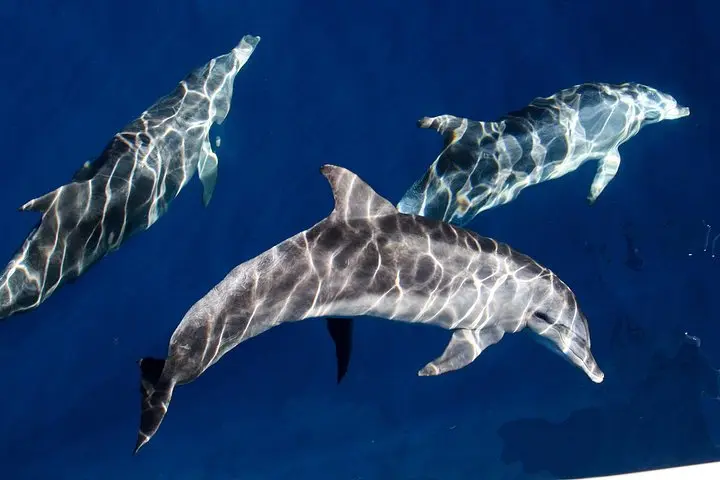
Yes — you can often spot dolphins, sea turtles and a variety of seabirds; marine naturalists will point out wildlife and behaviors.
Sea World Cruises operates guided outdoor trips and adventures with an emphasis on safety, stewardship, and memorable experiences.
The harbor smells of salt and diesel as the Spirit of Migaloo II slips away from the Sea World Cruise Terminal at Main Beach. Foamy wake cuts a line toward the open Tasman, and the skyline of the Gold Coast shrinks behind you as the ocean opens. Expect the sudden hush when a spout breaks the surface and a dark back arcs — whales that have been moving along the east coast for millennia, now passing within view.
The harbor smells of salt and diesel as the Spirit of Migaloo II slips away from the Sea World Cruise Terminal at Main Beach. Foamy wake cuts a line toward the open Tasman, and the skyline of the Gold Coast shrinks behind you as the ocean opens. Expect the sudden hush when a spout breaks the surface and a dark back arcs — whales that have been moving along the east coast for millennia, now passing within view.
This corridor is part of the Humpback Highway: an annual migration route humpbacks use between Antarctic feeding grounds and Queensland breeding waters. The coastline here is young — broad sand spits, a shallow continental shelf and offshore islands like Wavebreak and South Stradbroke that shape local currents and where whales often linger. The Gold Coast sits on Yugambeh country; local guides commonly reference Indigenous maritime connections when contextualizing sightings.
Practical guidance begins with timing: cruises run about 2.5 hours and operate most reliably during the migration window (June–November). The vessel is purpose-built for viewing with hydrophones and underwater cameras when conditions allow; bring binoculars and a windproof layer. Sea conditions can change quickly — secure gear, sit low if you’re prone to motion sickness, and listen to the naturalists for best viewing spots.
Onboard facilities include a waterfront deck café, accessible boarding and expert commentary from captains and marine guides. Operators run a 100% sighting guarantee policy: if no whales are seen, you’ll typically be offered a return cruise. Whether you’re chasing a tail slap or listening to distant whale song through a hydrophone, expect moments of raw scale and quiet that put distance and perspective back into view.