THE ADVENTURE COLLECTIVE® · Independent discovery and booking for outdoor travel

Follow the El Tigre river into lowland rainforest for a private day of artisanal gold panning, wildlife viewing, and a swim in a secluded natural pool. Learn traditional techniques from a local panner while experiencing Osa Peninsula nature and culture.
Follow the El Tigre river into lowland rainforest for a private day of artisanal gold panning, wildlife viewing, and a swim in a secluded natural pool. Learn traditional techniques from a local panner while experiencing Osa Peninsula nature and culture.
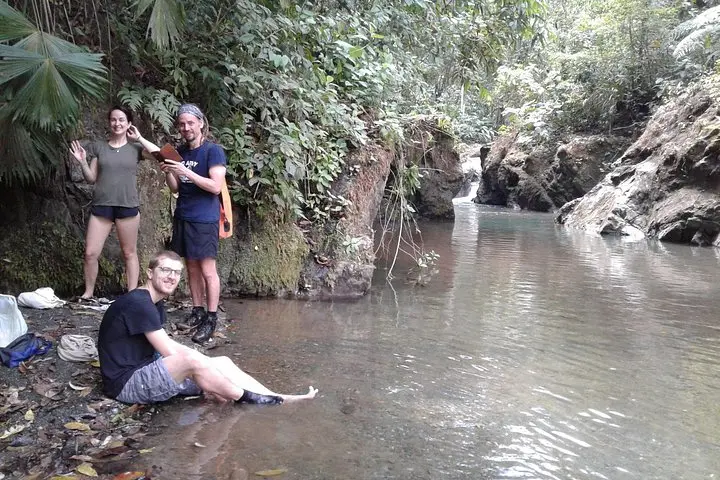
You push through a wall of humid air and the jungle answers with bird calls and the slap of leaves; the El Tigre river threads below, daring you to follow. This private gold-panning adventure starts with a roughly 45-minute jungle hike—about 1.5–2.5 km (1–1.6 miles) one way—along river terraces near Corcovado’s northern edge. The path climbs and drops through low-elevation rainforest, offering frequent wildlife sightings and intermittent river views.
Verified experiences and guided adventures in the surrounding area.
Operated by Minor Sandoval · Puerto Jimenez, Puntarenas
You push through a wall of humid air and the jungle answers with bird calls and the slap of leaves; the El Tigre river threads below, daring you to follow. This private gold-panning adventure starts with a roughly 45-minute jungle hike—about 1.5–2.5 km (1–1.6 miles) one way—along river terraces near Corcovado’s northern edge. The path climbs and drops through low-elevation rainforest, offering frequent wildlife sightings and intermittent river views.
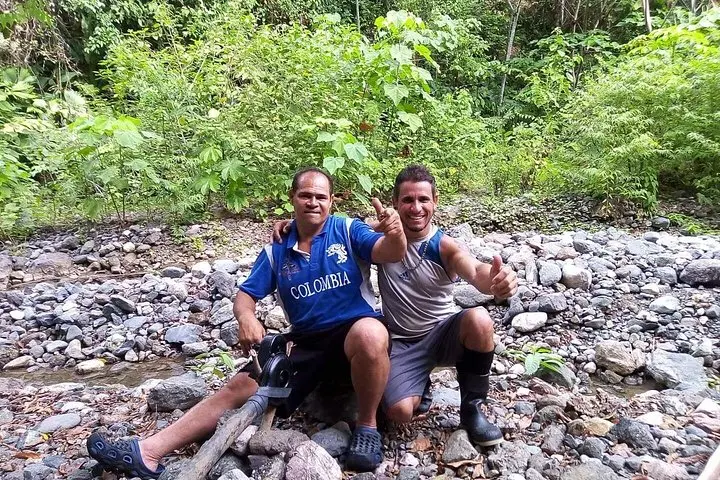
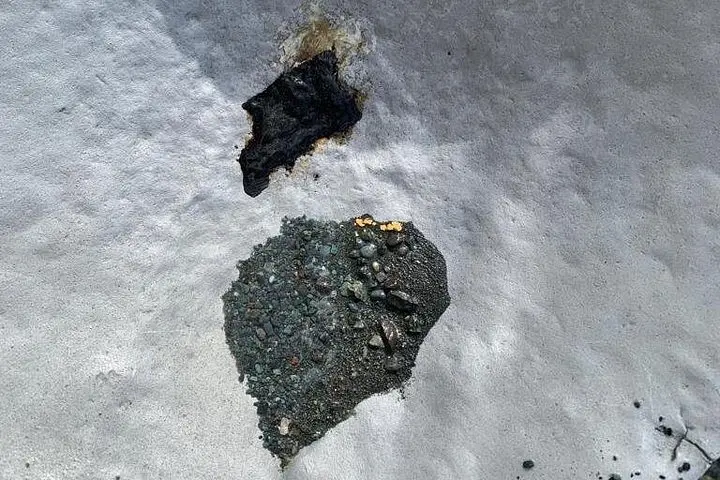
The Osa Peninsula holds a small but intense chapter of Costa Rica’s gold history: 19th- and 20th-century prospectors moved into river corridors where alluvial deposits concentrated fine gold. Geologically, the river has carved through volcanic and sedimentary soils, leaving gravel bars where artisanal panners still work. Culturally, the hike finishes at a working sluice where a local panner shares techniques and stories—this is as much a cultural exchange as a field lesson.
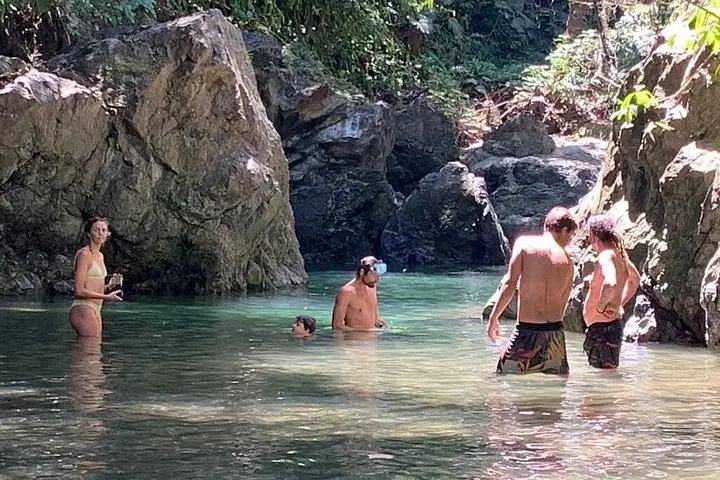
Expect humid, shaded trails, muddy sections after rain, and a handful of short, steep steps; total elevation change is modest but the terrain is uneven. The finale is a cool natural pool beneath a small waterfall—ideal for a swim and snack after trying the pan yourself. Practical notes: bring insect repellent, waterproof footwear, and a dry bag for valuables; the guide provides panning tools and translation. The outing runs about four hours door-to-door, suited to travelers in moderate fitness. Leave no trace, respect local paddocks and waterways, and be ready for the simple thrill of seeing a glint in the pan and a cool river on a hot day.
The guided hike is about 45 minutes one way—roughly 1.5–2.5 km—on uneven jungle trail with modest elevation change.
No experience required; the guide provides artisanal tools and step-by-step instruction suitable for beginners.
Yes—there’s a natural pool below a small waterfall for cooling off; obey the guide for safe entry points and current conditions.
Yes—toucans, monkeys (howler, white-faced, spider), macaws, and diverse birdlife are commonly seen along the route.
Minor Sandoval operates guided outdoor trips and adventures with an emphasis on safety, stewardship, and memorable experiences.
You push through a wall of humid air and the jungle answers with bird calls and the slap of leaves; the El Tigre river threads below, daring you to follow. This private gold-panning adventure starts with a roughly 45-minute jungle hike—about 1.5–2.5 km (1–1.6 miles) one way—along river terraces near Corcovado’s northern edge. The path climbs and drops through low-elevation rainforest, offering frequent wildlife sightings and intermittent river views.
You push through a wall of humid air and the jungle answers with bird calls and the slap of leaves; the El Tigre river threads below, daring you to follow. This private gold-panning adventure starts with a roughly 45-minute jungle hike—about 1.5–2.5 km (1–1.6 miles) one way—along river terraces near Corcovado’s northern edge. The path climbs and drops through low-elevation rainforest, offering frequent wildlife sightings and intermittent river views.
The Osa Peninsula holds a small but intense chapter of Costa Rica’s gold history: 19th- and 20th-century prospectors moved into river corridors where alluvial deposits concentrated fine gold. Geologically, the river has carved through volcanic and sedimentary soils, leaving gravel bars where artisanal panners still work. Culturally, the hike finishes at a working sluice where a local panner shares techniques and stories—this is as much a cultural exchange as a field lesson.
Expect humid, shaded trails, muddy sections after rain, and a handful of short, steep steps; total elevation change is modest but the terrain is uneven. The finale is a cool natural pool beneath a small waterfall—ideal for a swim and snack after trying the pan yourself. Practical notes: bring insect repellent, waterproof footwear, and a dry bag for valuables; the guide provides panning tools and translation. The outing runs about four hours door-to-door, suited to travelers in moderate fitness. Leave no trace, respect local paddocks and waterways, and be ready for the simple thrill of seeing a glint in the pan and a cool river on a hot day.