THE ADVENTURE COLLECTIVE® · Independent discovery and booking for outdoor travel

In one long, visually electric day you can see where continents separate, watch a geyser hurl water into the air, and feel the thrum of a glacier-fed waterfall. This small-group Golden Circle tour bundles geology, history, and accessible hiking into a 7–8 hour loop from Reykjavík.
In one long, visually electric day you can see where continents separate, watch a geyser hurl water into the air, and feel the thrum of a glacier-fed waterfall. This small-group Golden Circle tour bundles geology, history, and accessible hiking into a 7–8 hour loop from Reykjavík.
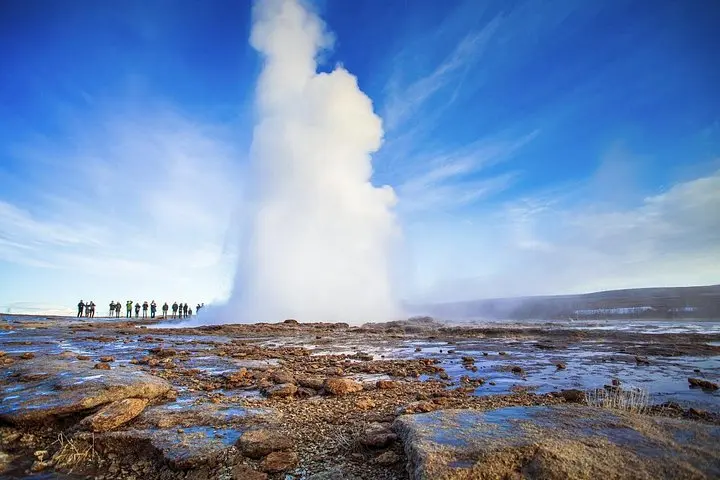
The minibus eases out of Reykjavík before dawn, headlights carving through low clouds as the lava fields open up like an old map. By mid-morning the air has changed—microscopic steam threads rising from geothermal fields, the faint sulfur tang in the breeze—and then Strokkur takes a breath and launches a column of water skyward, daring anyone nearby to look away.
Verified experiences and guided adventures in the surrounding area.
Operated by Arctic Yeti · Reykjavík, Capital Region
The minibus eases out of Reykjavík before dawn, headlights carving through low clouds as the lava fields open up like an old map. By mid-morning the air has changed—microscopic steam threads rising from geothermal fields, the faint sulfur tang in the breeze—and then Strokkur takes a breath and launches a column of water skyward, daring anyone nearby to look away.
This is the Golden Circle: three sites threaded into a single day that tell Iceland’s short, sharp geologic story and its long human one. Start at Geysir and its showier sibling Strokkur, where groundwater meets heat and the earth performs on schedule. The word geyser comes from here; the heat that feeds these eruptions is still restless under the surface, reheating mineral-rich pools that shimmer in impossible colors.
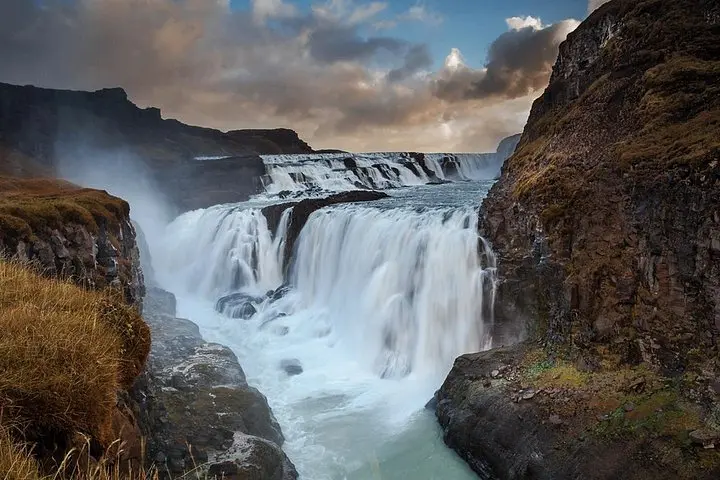
From there the road rattles toward Gullfoss—'Golden Falls'—a two-tiered torrent that drops a combined 32 meters into a rugged canyon. Meltwater from the Langjökull ice cap powers its force; on windy days the spray becomes a bracing veil and the waterfall seems to pry at the canyon walls with its current.
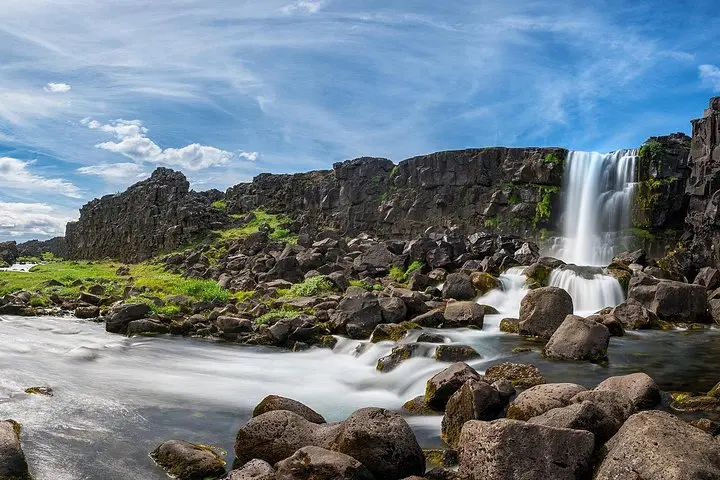
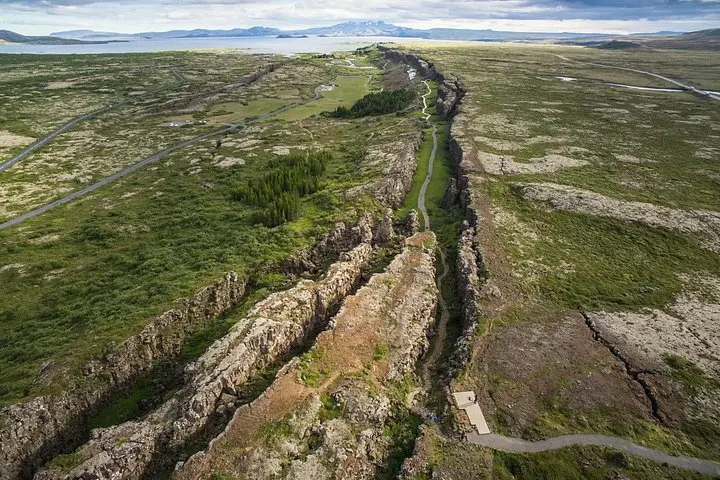
Þingvellir caps the loop with a different kind of awe. Here you can walk the rift where the North American and Eurasian plates pull apart, slabs of earth offset and slotted like the teeth of a giant saw. Þingvellir is also where Iceland’s Althingi met in 930 AD—law, dispute resolution, and community governance played out on the exposed rock platforms. Near the main path, Öxarárfoss slips quietly into a pool; Silfra, a fissure filled with glacial spring water, glows with clarity that makes the bottom look close enough to touch.
Practical edge: the full itinerary covers roughly 7–8 hours and about 200–250 km of driving. Walking at each stop ranges from easy boardwalk strolls to short rocky sections with modest elevation change (typically under 150 m). Trails are uneven and often wet—waterproof footwear with traction matters more here than alpine climbing skills.
Small-group tours (this one caps at 19) mean quicker parking and room to move, plus guides who can pivot weather plans—an important feature when Iceland’s sky changes mood three times before your lunch. If you’re arriving by cruise, pickup and drop-off at the port are usually available; confirm timing when you book. Bring layers, a windproof shell, a refillable water bottle, and a camera with a wide-angle lens: the falls, the fissures, and an erupting Strokkur won’t fit into a phone frame the way memory will.
This route isn’t extreme, but it demands respect: pay attention to signage, stick to paths to protect fragile moss and lichen, and let the landscape do what it does best—move you.
The tour runs about 7–8 hours and includes small-group transportation, English/Spanish guide, hotel/port pickup and drop-off, and stops at Geysir, Gullfoss and Þingvellir.
Yes—port pickup and drop-off are offered; indicate your cruise name and arrival time when booking to ensure coordination.
Yes; the tour is rated easy with short, low-impact walks, but children must be supervised and some viewpoints have stairs or wet surfaces.
Layered clothing with a waterproof outer shell, warm mid-layer, and sturdy shoes with traction are recommended year-round.
No—Silfra snorkeling requires a separate guided activity with specialist gear and more time; this tour only visits the Þingvellir viewpoints.
For a full refund cancel at least 24 hours before departure; weather or low participation may change departure, and refunds are handled per the operator’s policy.
Arctic Yeti operates guided outdoor trips and adventures with an emphasis on safety, stewardship, and memorable experiences.
The minibus eases out of Reykjavík before dawn, headlights carving through low clouds as the lava fields open up like an old map. By mid-morning the air has changed—microscopic steam threads rising from geothermal fields, the faint sulfur tang in the breeze—and then Strokkur takes a breath and launches a column of water skyward, daring anyone nearby to look away.
The minibus eases out of Reykjavík before dawn, headlights carving through low clouds as the lava fields open up like an old map. By mid-morning the air has changed—microscopic steam threads rising from geothermal fields, the faint sulfur tang in the breeze—and then Strokkur takes a breath and launches a column of water skyward, daring anyone nearby to look away.
This is the Golden Circle: three sites threaded into a single day that tell Iceland’s short, sharp geologic story and its long human one. Start at Geysir and its showier sibling Strokkur, where groundwater meets heat and the earth performs on schedule. The word geyser comes from here; the heat that feeds these eruptions is still restless under the surface, reheating mineral-rich pools that shimmer in impossible colors.
From there the road rattles toward Gullfoss—'Golden Falls'—a two-tiered torrent that drops a combined 32 meters into a rugged canyon. Meltwater from the Langjökull ice cap powers its force; on windy days the spray becomes a bracing veil and the waterfall seems to pry at the canyon walls with its current.
Þingvellir caps the loop with a different kind of awe. Here you can walk the rift where the North American and Eurasian plates pull apart, slabs of earth offset and slotted like the teeth of a giant saw. Þingvellir is also where Iceland’s Althingi met in 930 AD—law, dispute resolution, and community governance played out on the exposed rock platforms. Near the main path, Öxarárfoss slips quietly into a pool; Silfra, a fissure filled with glacial spring water, glows with clarity that makes the bottom look close enough to touch.
Practical edge: the full itinerary covers roughly 7–8 hours and about 200–250 km of driving. Walking at each stop ranges from easy boardwalk strolls to short rocky sections with modest elevation change (typically under 150 m). Trails are uneven and often wet—waterproof footwear with traction matters more here than alpine climbing skills.
Small-group tours (this one caps at 19) mean quicker parking and room to move, plus guides who can pivot weather plans—an important feature when Iceland’s sky changes mood three times before your lunch. If you’re arriving by cruise, pickup and drop-off at the port are usually available; confirm timing when you book. Bring layers, a windproof shell, a refillable water bottle, and a camera with a wide-angle lens: the falls, the fissures, and an erupting Strokkur won’t fit into a phone frame the way memory will.
This route isn’t extreme, but it demands respect: pay attention to signage, stick to paths to protect fragile moss and lichen, and let the landscape do what it does best—move you.