THE ADVENTURE COLLECTIVE® · Independent discovery and booking for outdoor travel

In a single long day from Reykjavik you can watch geysers erupt, stand beside thunderous Gullfoss, and walk the rift where two continents drift apart. This full-day Golden Circle shore excursion packs geology, history, and unmissable photo ops into an accessible itinerary for cruise travelers.
In a single long day from Reykjavik you can watch geysers erupt, stand beside thunderous Gullfoss, and walk the rift where two continents drift apart. This full-day Golden Circle shore excursion packs geology, history, and unmissable photo ops into an accessible itinerary for cruise travelers.
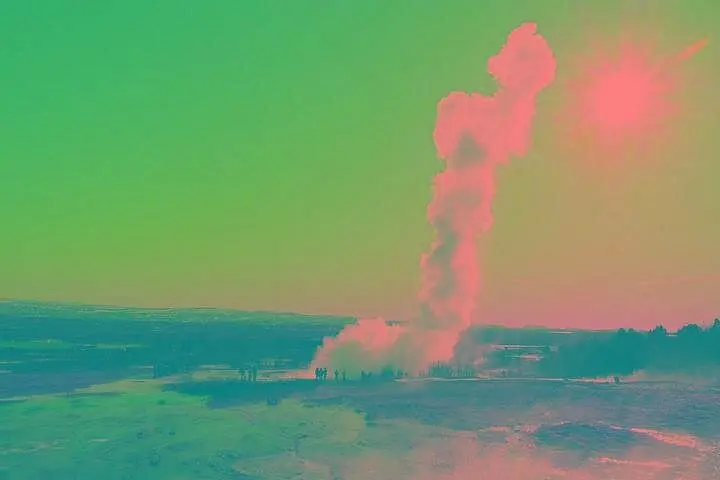
You step off the gangway and the air feels like a hand-slap—clean, mineral-scented, slightly electric. Within an hour a minivan is threading out of Reykjavik, fields sliding past under a low, fast sky. Steam rises in thin plumes from the geothermal zone ahead; Strokkur readies itself like a performer waiting for the cue. Then, as if on schedule with the sea, a column of boiling water hurls skyward—an immediate reminder that Iceland runs on heat and tectonics, not politeness.
Verified experiences and guided adventures in the surrounding area.
Operated by My Holidays Online · Reykjavik, Capital Region
You step off the gangway and the air feels like a hand-slap—clean, mineral-scented, slightly electric. Within an hour a minivan is threading out of Reykjavik, fields sliding past under a low, fast sky. Steam rises in thin plumes from the geothermal zone ahead; Strokkur readies itself like a performer waiting for the cue. Then, as if on schedule with the sea, a column of boiling water hurls skyward—an immediate reminder that Iceland runs on heat and tectonics, not politeness.
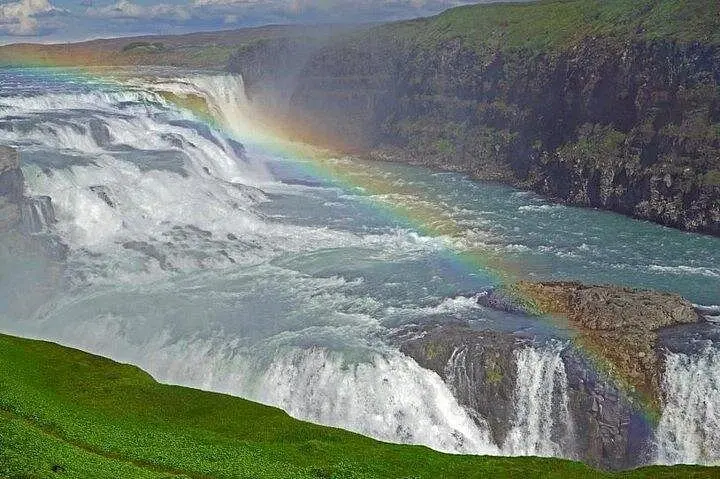
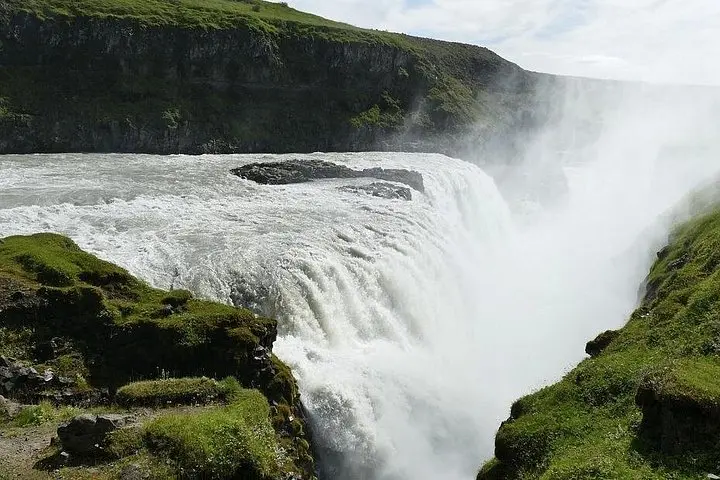
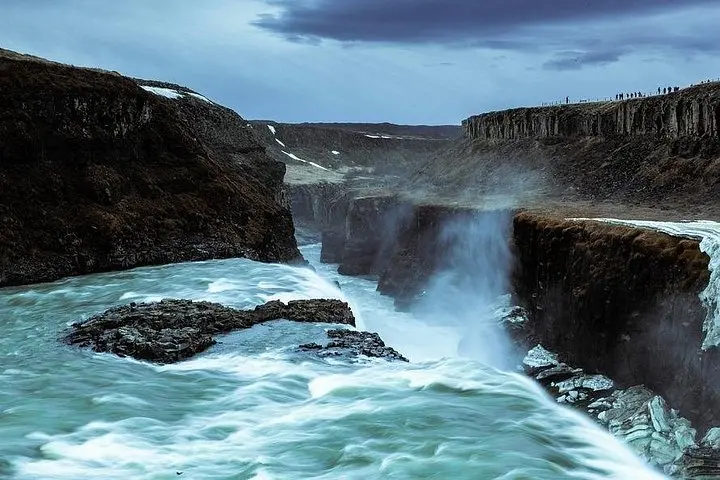
The Golden Circle is short enough for a day but varied enough to feel like three different countries. Start at the Geysir area where groundwater meets subterranean heat: the ground breathes, the earth hisses, and Strokkur explodes every five to eight minutes. From there the road bends to Gullfoss. The waterfall doesn’t ask for attention; it demands it—white water folding into a canyon, spray pushing at your jacket. Finish at Thingvellir National Park, where the Eurasian and North American plates pull apart a few centimeters each year. Walk the path along the rift, and you’ll read both geology and history: this is where the Alþingi, one of the world’s oldest parliaments, met in a volcanic amphitheater.
Geology writes the itinerary. Basalt columns, glacial outwash plains, and geothermal fields are the landscape’s grammar. Culturally, the region is thick with saga-era place names and modern stewardship—small farms, turf roofs, and a national pride in preserving access. Guides on these shore excursions thread history and practicalities: why the water smells faintly of sulfur, when river routes were formed by ice, and how the country balances tourism with fragile ecosystems.
Practical side: expect an 8–9 hour day with multiple short stops and two longer breaks for walking and photos. Wear waterproof outer layers and sturdy boots—the paths near Gullfoss and Geysir are wet and often icy outside summer. Sunscreen matters; the sun is deceptively strong even on overcast days. Bring a small daypack, snacks if you prefer local dairy and rye at a café stop, and a camera with a weather-sealed body or a clear plastic cover. Mobile reception is spotty in the park; plan meeting points and times with your group.
Timing is everything. If your cruise schedule allows, the earliest departures shave crowds at the geyser and Gullfoss viewing terraces. For photographers, the low-angle light of late afternoon can gild the river spray; at noon the geyser’s background is often clearer. Above all, move at the landscape’s pace: the ground groans, the water insists, and the plate boundary waits for no one.
The shore excursion runs about 8–9 hours and meets near Reykjavik’s cruise port; exact meeting details are provided on your voucher ahead of departure.
Standard Golden Circle stops do not require paid admission for viewpoints; this tour includes transportation and guide services but confirm specific inclusions when booking.
Yes—the itinerary is rated easy with short, accessible walks; strollers may be possible but sections near Gullfoss include steps and wet terrain.
Strokkur erupts roughly every 4–8 minutes, making an erupting geyser very likely during the stop, though natural features can be unpredictable.
Yes—pickup and timing are coordinated to match cruise docking and re-boarding windows; you’ll provide ship details at booking to align logistics.
Waterproof, grippy boots are best; some viewpoints can be muddy or icy outside summer and boardwalks can be slippery when wet.
My Holidays Online operates guided outdoor trips and adventures with an emphasis on safety, stewardship, and memorable experiences.
You step off the gangway and the air feels like a hand-slap—clean, mineral-scented, slightly electric. Within an hour a minivan is threading out of Reykjavik, fields sliding past under a low, fast sky. Steam rises in thin plumes from the geothermal zone ahead; Strokkur readies itself like a performer waiting for the cue. Then, as if on schedule with the sea, a column of boiling water hurls skyward—an immediate reminder that Iceland runs on heat and tectonics, not politeness.
You step off the gangway and the air feels like a hand-slap—clean, mineral-scented, slightly electric. Within an hour a minivan is threading out of Reykjavik, fields sliding past under a low, fast sky. Steam rises in thin plumes from the geothermal zone ahead; Strokkur readies itself like a performer waiting for the cue. Then, as if on schedule with the sea, a column of boiling water hurls skyward—an immediate reminder that Iceland runs on heat and tectonics, not politeness.
The Golden Circle is short enough for a day but varied enough to feel like three different countries. Start at the Geysir area where groundwater meets subterranean heat: the ground breathes, the earth hisses, and Strokkur explodes every five to eight minutes. From there the road bends to Gullfoss. The waterfall doesn’t ask for attention; it demands it—white water folding into a canyon, spray pushing at your jacket. Finish at Thingvellir National Park, where the Eurasian and North American plates pull apart a few centimeters each year. Walk the path along the rift, and you’ll read both geology and history: this is where the Alþingi, one of the world’s oldest parliaments, met in a volcanic amphitheater.
Geology writes the itinerary. Basalt columns, glacial outwash plains, and geothermal fields are the landscape’s grammar. Culturally, the region is thick with saga-era place names and modern stewardship—small farms, turf roofs, and a national pride in preserving access. Guides on these shore excursions thread history and practicalities: why the water smells faintly of sulfur, when river routes were formed by ice, and how the country balances tourism with fragile ecosystems.
Practical side: expect an 8–9 hour day with multiple short stops and two longer breaks for walking and photos. Wear waterproof outer layers and sturdy boots—the paths near Gullfoss and Geysir are wet and often icy outside summer. Sunscreen matters; the sun is deceptively strong even on overcast days. Bring a small daypack, snacks if you prefer local dairy and rye at a café stop, and a camera with a weather-sealed body or a clear plastic cover. Mobile reception is spotty in the park; plan meeting points and times with your group.
Timing is everything. If your cruise schedule allows, the earliest departures shave crowds at the geyser and Gullfoss viewing terraces. For photographers, the low-angle light of late afternoon can gild the river spray; at noon the geyser’s background is often clearer. Above all, move at the landscape’s pace: the ground groans, the water insists, and the plate boundary waits for no one.