THE ADVENTURE COLLECTIVE® · Independent discovery and booking for outdoor travel

A private, unrushed Golden Circle day trip from Reykjavík that pairs iconic geology—Thingvellir, Geysir, Gullfoss—with hands-on stops: Fontana’s hot-spring bakery and Friðheimar tomato farm. Taste geothermal bread, feed Icelandic horses, and watch Strokkur throw boiling water skyward.
A private, unrushed Golden Circle day trip from Reykjavík that pairs iconic geology—Thingvellir, Geysir, Gullfoss—with hands-on stops: Fontana’s hot-spring bakery and Friðheimar tomato farm. Taste geothermal bread, feed Icelandic horses, and watch Strokkur throw boiling water skyward.
A soft diesel hum, the smell of warm bread and peat rising through cool air—this is how a day on the Golden Circle begins when you leave Reykjavík before the city has fully opened its cafes. The private minivan pulls away from the harbor and the urban grid dissolves into rolling lava fields streaked with moss; the driver-guide points out the first ridge and the day’s weather as if naming characters in an unfolding story.
Verified experiences and guided adventures in the surrounding area.
Operated by Red planet adventure · Reykjavík, Capital Region
A soft diesel hum, the smell of warm bread and peat rising through cool air—this is how a day on the Golden Circle begins when you leave Reykjavík before the city has fully opened its cafes. The private minivan pulls away from the harbor and the urban grid dissolves into rolling lava fields streaked with moss; the driver-guide points out the first ridge and the day’s weather as if naming characters in an unfolding story.
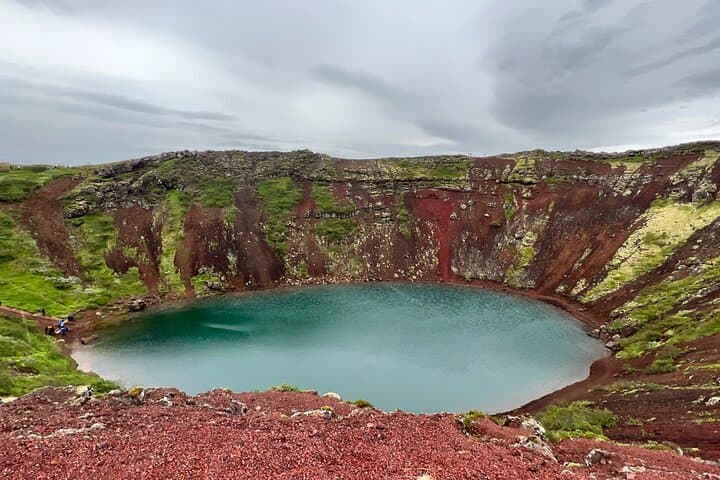
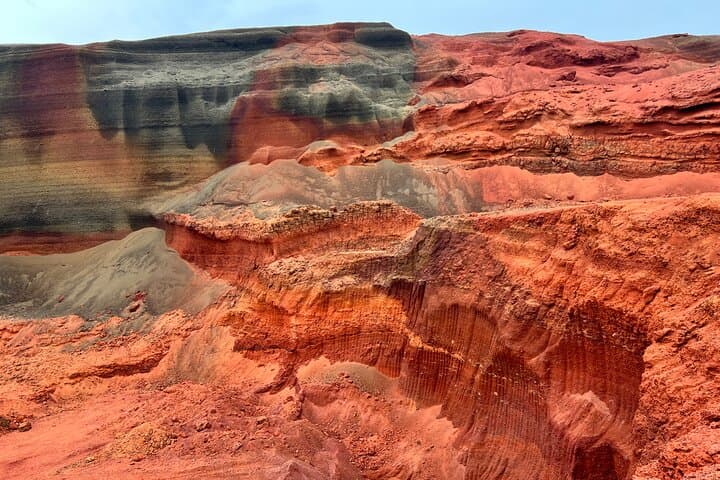
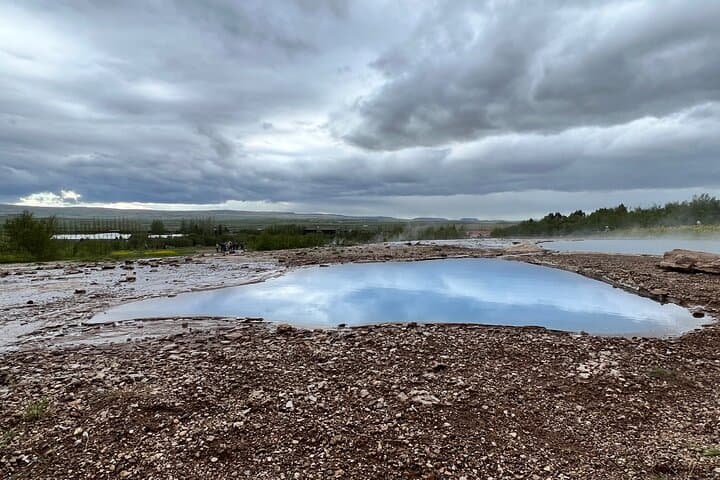
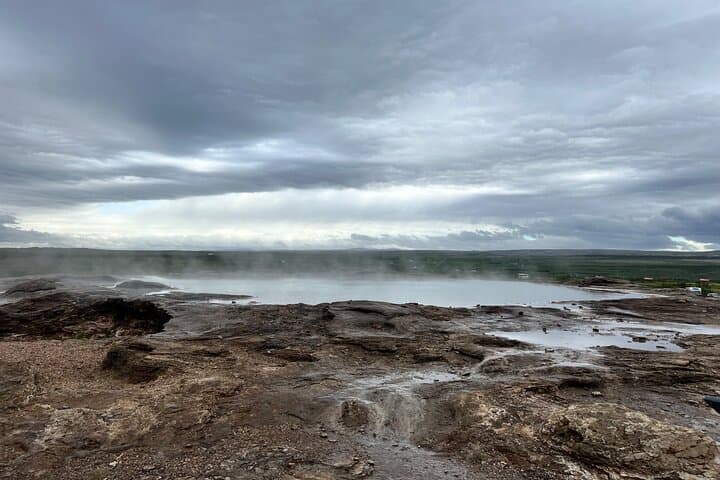
Your route threads through Thingvellir National Park first, where the rift between the North American and Eurasian plates is not an abstract line on a map but a visible, ragged seam. Walk the boardwalks and feel the ground’s slow argument beneath your feet; the light here can be the clean, hard kind that makes rock faces look as if they were carved yesterday. A short drive brings you to Geysir’s old basin and Strokkur, which puffs and then throws a column of boiling water skyward every few minutes—nature’s metronome, precise and slightly theatrical.
Gullfoss arrives with a different temperament: a river that gathers itself, then charges the ledge and drops in two thunderous steps, mist daring your lenses to stay dry. Between these geological headlines the tour slows—Fontana’s hot-spring bakery shows a practical, lived relationship with geothermal heat. You’ll watch rye loaves lifted from earth-warmed pits and taste warm bread that tastes of smoke and simple patience.
Friðheimar tomato farm offers a surprise: a greenhouse that blooms through the year, heated by geothermal energy and tuned to produce intensely flavored tomatoes. Here you can sample tomato beer and the unlikely tomato ice cream, and sit under glass while vines creep overhead—an agricultural experiment that reads like local craft in edible form. Along the route, the guide pauses for the small, human moments too: a chance to feed Icelandic horses, black-maned and curious, and to hear the quick, plain history of the Alþingi where medieval Icelanders turned lawmaking into a public ritual.
Practicalities: the private tour runs about 5–7 hours with short walks of a few hundred meters to a couple of kilometers at stops; paths are a mix of paved walkways, gravel, and muddy patches in wet weather. Dress in waterproof layers, bring a good pair of shoes with traction, and keep a power bank for phones—cold batteries die fast in Icelandic air. Morning departures cut crowd exposure at popular viewpoints; winter bookings require flexible timing because roads can shift with the weather. Expect moderate accessibility—most sites have paths and viewing platforms, but Gullfoss and some thermal areas have steps and uneven ground.
This is a Golden Circle that balances spectacle with slow, savory stops: volcano-born landscapes, the mechanical patience of a geyser, bread dug from the earth, and tomatoes ripening under glass. It’s efficient, but it also gives the landscape room to speak.
Pickup is available at hotels across Reykjavík; the tour typically returns to central Reykjavík at the end of the day.
Expect short walks at each site—usually under 2 km total on well-marked paths and boardwalks, with some steps at viewpoints like Gullfoss.
Yes; it’s suitable for children and older travelers, though supervision is required near waterfalls and thermal areas.
Fontana bread tasting and access to Friðheimar are included; additional purchases at the greenhouse restaurant are optional.
The operator may cancel in unsafe weather—full refunds are offered if you cancel at least 24 hours before departure, and bad-weather cancellations follow the supplier’s policy.
Friðheimar’s menu can often adapt to allergies or vegetarian needs—notify the operator when booking so they can coordinate.
Red planet adventure operates guided outdoor trips and adventures with an emphasis on safety, stewardship, and memorable experiences.
A soft diesel hum, the smell of warm bread and peat rising through cool air—this is how a day on the Golden Circle begins when you leave Reykjavík before the city has fully opened its cafes. The private minivan pulls away from the harbor and the urban grid dissolves into rolling lava fields streaked with moss; the driver-guide points out the first ridge and the day’s weather as if naming characters in an unfolding story.
A soft diesel hum, the smell of warm bread and peat rising through cool air—this is how a day on the Golden Circle begins when you leave Reykjavík before the city has fully opened its cafes. The private minivan pulls away from the harbor and the urban grid dissolves into rolling lava fields streaked with moss; the driver-guide points out the first ridge and the day’s weather as if naming characters in an unfolding story.
Your route threads through Thingvellir National Park first, where the rift between the North American and Eurasian plates is not an abstract line on a map but a visible, ragged seam. Walk the boardwalks and feel the ground’s slow argument beneath your feet; the light here can be the clean, hard kind that makes rock faces look as if they were carved yesterday. A short drive brings you to Geysir’s old basin and Strokkur, which puffs and then throws a column of boiling water skyward every few minutes—nature’s metronome, precise and slightly theatrical.
Gullfoss arrives with a different temperament: a river that gathers itself, then charges the ledge and drops in two thunderous steps, mist daring your lenses to stay dry. Between these geological headlines the tour slows—Fontana’s hot-spring bakery shows a practical, lived relationship with geothermal heat. You’ll watch rye loaves lifted from earth-warmed pits and taste warm bread that tastes of smoke and simple patience.
Friðheimar tomato farm offers a surprise: a greenhouse that blooms through the year, heated by geothermal energy and tuned to produce intensely flavored tomatoes. Here you can sample tomato beer and the unlikely tomato ice cream, and sit under glass while vines creep overhead—an agricultural experiment that reads like local craft in edible form. Along the route, the guide pauses for the small, human moments too: a chance to feed Icelandic horses, black-maned and curious, and to hear the quick, plain history of the Alþingi where medieval Icelanders turned lawmaking into a public ritual.
Practicalities: the private tour runs about 5–7 hours with short walks of a few hundred meters to a couple of kilometers at stops; paths are a mix of paved walkways, gravel, and muddy patches in wet weather. Dress in waterproof layers, bring a good pair of shoes with traction, and keep a power bank for phones—cold batteries die fast in Icelandic air. Morning departures cut crowd exposure at popular viewpoints; winter bookings require flexible timing because roads can shift with the weather. Expect moderate accessibility—most sites have paths and viewing platforms, but Gullfoss and some thermal areas have steps and uneven ground.
This is a Golden Circle that balances spectacle with slow, savory stops: volcano-born landscapes, the mechanical patience of a geyser, bread dug from the earth, and tomatoes ripening under glass. It’s efficient, but it also gives the landscape room to speak.