THE ADVENTURE COLLECTIVE® · Independent discovery and booking for outdoor travel

Explore the lesser-seen corners of Golden Gate Park with a local guide in this 90-minute walking tour. Visit the AIDS Memorial Grove, Conservatory grounds, de Young viewpoints and iconic Summer of Love sites while learning the park’s layered history.
Explore the lesser-seen corners of Golden Gate Park with a local guide in this 90-minute walking tour. Visit the AIDS Memorial Grove, Conservatory grounds, de Young viewpoints and iconic Summer of Love sites while learning the park’s layered history.
You step off Stanyan Street into a ribbon of green—the path dips, wind brushing the eucalyptus above, and the Flywheel Coffee kiosk sends steam and the smell of espresso into the morning. The tour moves at a human pace: quiet groves, broad lawns and a few unexpected corners where the city’s noise thins and the trees take over.
Verified experiences and guided adventures in the surrounding area.
Operated by Meteorologist John Shrable · San Francisco, CA
You step off Stanyan Street into a ribbon of green—the path dips, wind brushing the eucalyptus above, and the Flywheel Coffee kiosk sends steam and the smell of espresso into the morning. The tour moves at a human pace: quiet groves, broad lawns and a few unexpected corners where the city’s noise thins and the trees take over.
Golden Gate Park began in the late 19th century as a deliberate reshaping of coastal sand and dunes into public landscape. Its layers read like San Francisco’s social history: conservatory gardens that predate the 1906 earthquake, a grove dedicated by Congress to remember those lost to AIDS, and Hippie Hill where the Summer of Love gathered thousands in 1967. Geologically the park sits on stabilized sands and reclaimed stretches—its plantings were chosen to anchor soil and shape microclimates.
On a 90‑minute walk you’ll visit the Conservatory’s flowerbeds (outside), the contemplative AIDS Memorial Grove beneath towering redwoods, the DeYoung observation areas and the cultural pockets of Hippie Hill. The pace is mostly flat, paved or well‑graveled paths with short, gentle grades—suitable for most walkers.
Practical notes: arrive at the Flywheel kiosk, wear layered clothing for shifting coastal fog and sun, and bring a bottle of water and comfortable shoes. Respect memorial spaces and local wildlife; many of the park’s best moments require a quiet step off the main lawns. End at the de Young Museum where snacks and more park exploration await.
Meet at the Flywheel Coffee kiosk inside Golden Gate Park off Stanyan Street (not the Flywheel across the street). Look for the small in-park kiosk near the park entrance.
Yes. The route uses paved paths and accessible routes; notify the operator if you have mobility needs when booking.
Yes. The tour is family-friendly and suitable for older strollers; content includes history and cultural sites that engage teens and adults.
No. The itinerary visits outdoor viewpoints and the de Young observation exterior; museum admissions are not included.
Meteorologist John Shrable operates guided outdoor trips and adventures with an emphasis on safety, stewardship, and memorable experiences.
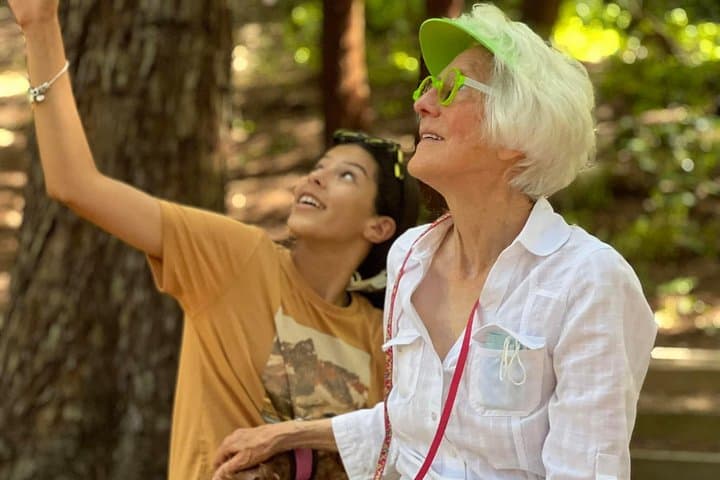
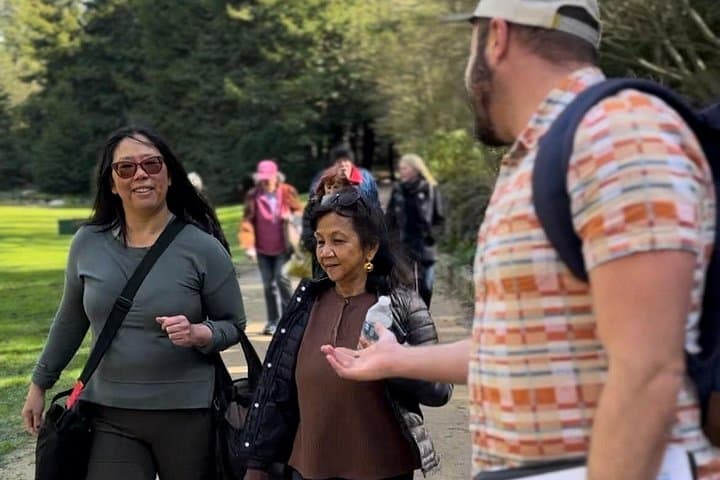
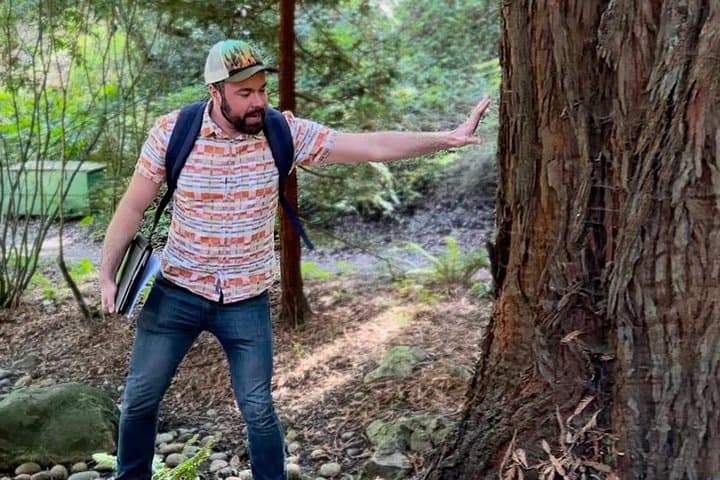
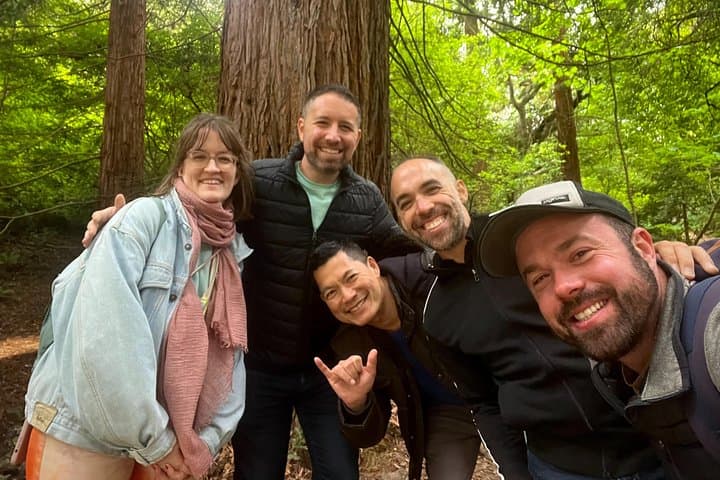
You step off Stanyan Street into a ribbon of green—the path dips, wind brushing the eucalyptus above, and the Flywheel Coffee kiosk sends steam and the smell of espresso into the morning. The tour moves at a human pace: quiet groves, broad lawns and a few unexpected corners where the city’s noise thins and the trees take over.
You step off Stanyan Street into a ribbon of green—the path dips, wind brushing the eucalyptus above, and the Flywheel Coffee kiosk sends steam and the smell of espresso into the morning. The tour moves at a human pace: quiet groves, broad lawns and a few unexpected corners where the city’s noise thins and the trees take over.
Golden Gate Park began in the late 19th century as a deliberate reshaping of coastal sand and dunes into public landscape. Its layers read like San Francisco’s social history: conservatory gardens that predate the 1906 earthquake, a grove dedicated by Congress to remember those lost to AIDS, and Hippie Hill where the Summer of Love gathered thousands in 1967. Geologically the park sits on stabilized sands and reclaimed stretches—its plantings were chosen to anchor soil and shape microclimates.
On a 90‑minute walk you’ll visit the Conservatory’s flowerbeds (outside), the contemplative AIDS Memorial Grove beneath towering redwoods, the DeYoung observation areas and the cultural pockets of Hippie Hill. The pace is mostly flat, paved or well‑graveled paths with short, gentle grades—suitable for most walkers.
Practical notes: arrive at the Flywheel kiosk, wear layered clothing for shifting coastal fog and sun, and bring a bottle of water and comfortable shoes. Respect memorial spaces and local wildlife; many of the park’s best moments require a quiet step off the main lawns. End at the de Young Museum where snacks and more park exploration await.