THE ADVENTURE COLLECTIVE® · Independent discovery and booking for outdoor travel

Watch Angkor Wat light up at golden hour and move through Ta Prohm’s tree-claimed ruins and Bayon’s enigmatic faces on a focused half-day private tour. Perfect for early risers seeking prime light and local insight without a full-day commitment.
Watch Angkor Wat light up at golden hour and move through Ta Prohm’s tree-claimed ruins and Bayon’s enigmatic faces on a focused half-day private tour. Perfect for early risers seeking prime light and local insight without a full-day commitment.
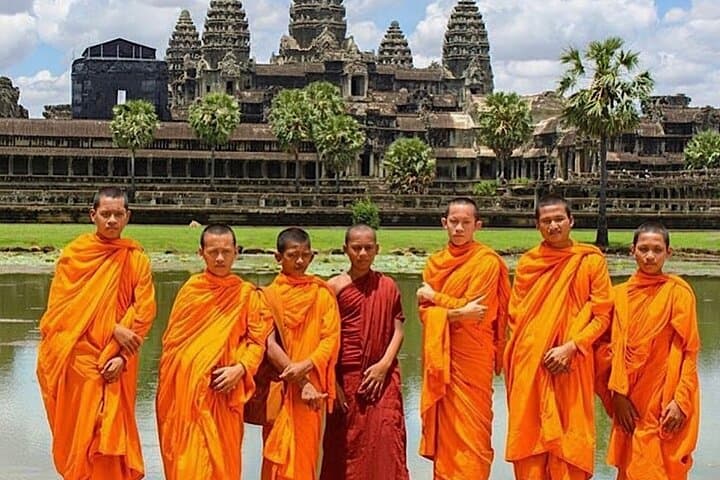
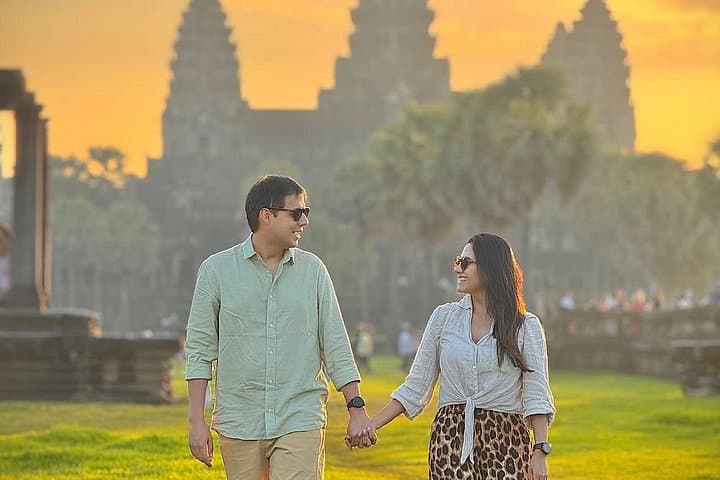
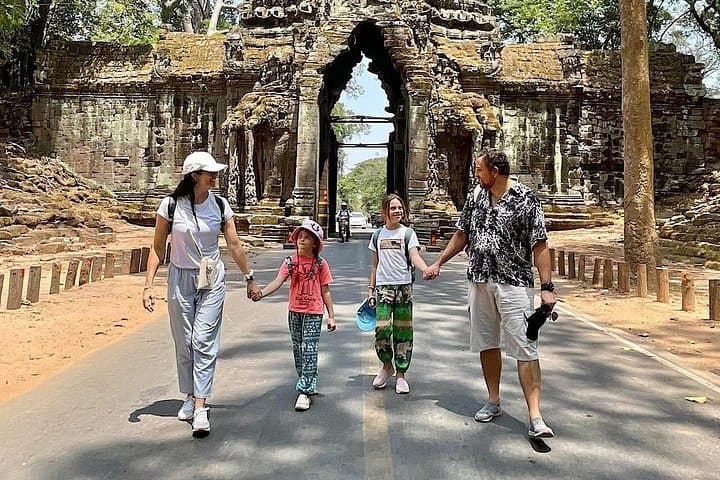
You arrive before dawn, tuk‑tuk engine low and the air already warm, watching the lake’s skin catch the first light that climbs the towers of Angkor Wat. Reflection pools throw the temple’s silhouette back at you while the guide traces carved bas‑reliefs in low, conversational bursts. After the main causeway you move into Ta Prohm, where roots have taken the stones like a claim, and then to the stony smiles of Bayon under Angkor Thom’s enclosure.
Verified experiences and guided adventures in the surrounding area.
Operated by Siem Reap Locals · Siem Reap, Siem Reap Province
You arrive before dawn, tuk‑tuk engine low and the air already warm, watching the lake’s skin catch the first light that climbs the towers of Angkor Wat. Reflection pools throw the temple’s silhouette back at you while the guide traces carved bas‑reliefs in low, conversational bursts. After the main causeway you move into Ta Prohm, where roots have taken the stones like a claim, and then to the stony smiles of Bayon under Angkor Thom’s enclosure.
This is ground shaped by the Khmer Empire of the 12th century: massive sandstone blocks quarried and raised into axis-aligned temples, laterite foundations holding intricate bas-reliefs and Buddhist conversions layered over Hindu plans. The geology—soft sandstone prone to erosion—helps explain the temple’s weathered reliefs and the arboreal takeover at Ta Prohm. Local guides add cultural color: daily ritual offerings, conservation challenges, and the tuk‑tuk economy that keeps the circuit moving.
Practically speaking, the half-day runs about four hours with hotel pickup; a valid Angkor Archaeological Park pass is required (not included). Dress respectfully—shoulders and knees covered—and wear sturdy shoes for uneven stone. Bring water, sunscreen, and a compact rain layer in monsoon months. Photography is exceptional at golden hour but the crowds swell by midmorning, so plan early for the best light and a quieter perspective. The private tuk‑tuk format gives flexibility: pause for coffee after sunrise, or ask your guide for a quieter temple off the beaten path.
No—Angkor Archaeological Park passes are not included in the tour price; purchase at the park ticket center before entry.
Pickup is typically around 5:00 AM to reach Angkor Wat in time for golden hour, though later start times can be arranged.
Many areas have uneven stone, steps, and sand—some viewpoints are accessible but the core ruins often require mobility to navigate.
Yes, photography is generally allowed, but avoid flash in certain inner sanctums and respect restricted areas and worshippers.
Siem Reap Locals operates guided outdoor trips and adventures with an emphasis on safety, stewardship, and memorable experiences.

You arrive before dawn, tuk‑tuk engine low and the air already warm, watching the lake’s skin catch the first light that climbs the towers of Angkor Wat. Reflection pools throw the temple’s silhouette back at you while the guide traces carved bas‑reliefs in low, conversational bursts. After the main causeway you move into Ta Prohm, where roots have taken the stones like a claim, and then to the stony smiles of Bayon under Angkor Thom’s enclosure.
You arrive before dawn, tuk‑tuk engine low and the air already warm, watching the lake’s skin catch the first light that climbs the towers of Angkor Wat. Reflection pools throw the temple’s silhouette back at you while the guide traces carved bas‑reliefs in low, conversational bursts. After the main causeway you move into Ta Prohm, where roots have taken the stones like a claim, and then to the stony smiles of Bayon under Angkor Thom’s enclosure.
This is ground shaped by the Khmer Empire of the 12th century: massive sandstone blocks quarried and raised into axis-aligned temples, laterite foundations holding intricate bas-reliefs and Buddhist conversions layered over Hindu plans. The geology—soft sandstone prone to erosion—helps explain the temple’s weathered reliefs and the arboreal takeover at Ta Prohm. Local guides add cultural color: daily ritual offerings, conservation challenges, and the tuk‑tuk economy that keeps the circuit moving.
Practically speaking, the half-day runs about four hours with hotel pickup; a valid Angkor Archaeological Park pass is required (not included). Dress respectfully—shoulders and knees covered—and wear sturdy shoes for uneven stone. Bring water, sunscreen, and a compact rain layer in monsoon months. Photography is exceptional at golden hour but the crowds swell by midmorning, so plan early for the best light and a quieter perspective. The private tuk‑tuk format gives flexibility: pause for coffee after sunrise, or ask your guide for a quieter temple off the beaten path.