THE ADVENTURE COLLECTIVE® · Independent discovery and booking for outdoor travel

Step into Varanasi at dusk: a guided 3‑hour walk through narrow alleys to the ghats, culminating in the mesmerising Ganga Aarti at Dashashwamedh Ghat. Expect crowded steps, vivid ritual, and strong sensory moments along the river.
Step into Varanasi at dusk: a guided 3‑hour walk through narrow alleys to the ghats, culminating in the mesmerising Ganga Aarti at Dashashwamedh Ghat. Expect crowded steps, vivid ritual, and strong sensory moments along the river.
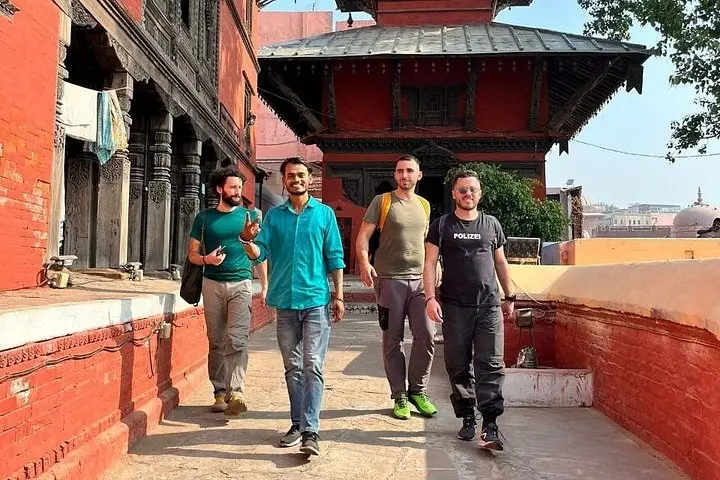
The sun slides low over the Ganges and Varanasi’s ghats flare with lamp-light and human motion—boats bob, pilgrims chant, and smoke from incense threads through narrow lanes. On this three‑hour sunset walk, a guide leads small groups off main thoroughfares into old-city alleys, where temple bells and the river’s steady murmuring set a measured pace.
Verified experiences and guided adventures in the surrounding area.
Operated by Golu's Spiritual Tours · Varanasi, Uttar Pradesh
The sun slides low over the Ganges and Varanasi’s ghats flare with lamp-light and human motion—boats bob, pilgrims chant, and smoke from incense threads through narrow lanes. On this three‑hour sunset walk, a guide leads small groups off main thoroughfares into old-city alleys, where temple bells and the river’s steady murmuring set a measured pace.
Varanasi is one of the world’s oldest continuously inhabited cities; the ghats are largely man-made steps built and maintained over centuries to meet ritual needs. Geologically, the city sits on the alluvial plains of the Ganges: clay, silt and centuries of river deposits that shape the shoreline and the city’s slow erosion and rebuilding.
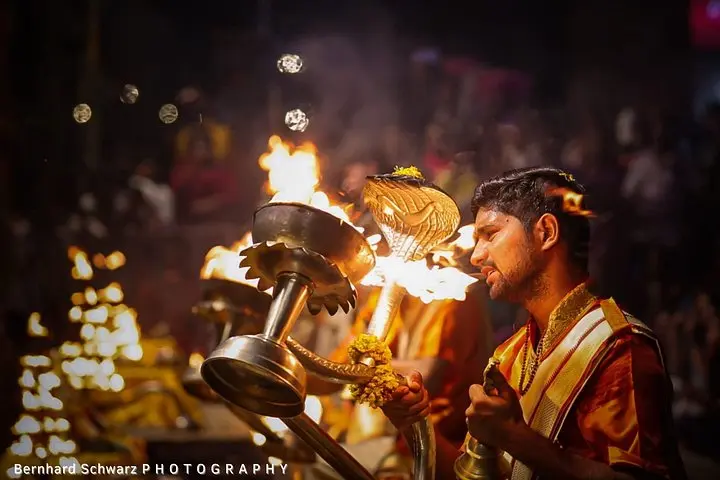
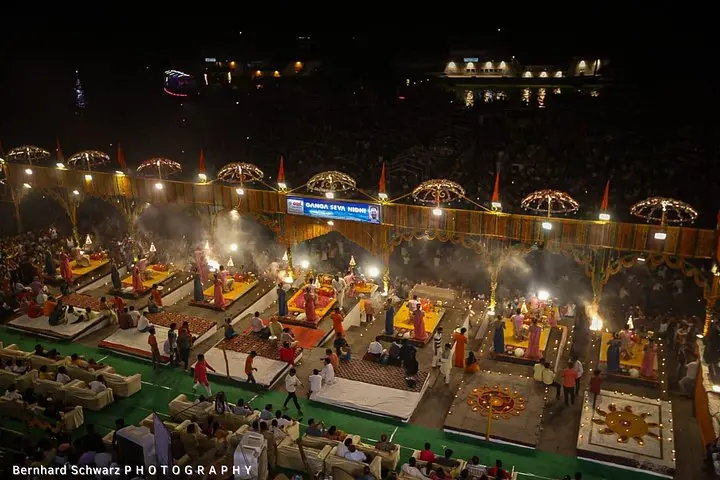
Culturally the evening Ganga Aarti at Dashashwamedh Ghat is the night’s axis—priests move in choreographed circles of flame and incense, calling the river into a living ritual. Nearby, the cremation ghats and narrow markets recall Varanasi’s role in Hindu belief about life, death and rebirth.
Practical guidance: plan to arrive 30–45 minutes early for a good vantage point and leave room for crowded alleys. Wear grippy, closed shoes for wet stone steps and bring a modest shawl for temple areas and changing temperatures after sunset. Carry a reusable water bottle and small change for offerings or boatmen. Photography is common but be respectful—ask before shooting rituals or people.
The walk balances sensory immersion with logistics: steps that are occasionally steep, a river that seems to pull everyone toward it, and history visible on every corner—an urban pilgrimage that’s both manageable and deeply evocative.
The tour is approximately three hours and is timed to arrive at Dashashwamedh Ghat before the evening Ganga Aarti; exact start time depends on sunset.
The ceremony is family-friendly but involves crowds and steps; those with mobility issues should consider vantage points with easier access or ask about alternative viewing.
Photography is allowed but be respectful—avoid flash during rituals and ask before photographing individuals, especially priests and worshippers.
Boat rides are typically not included in this walking tour but can be arranged locally at the ghats for an additional fee.
Golu's Spiritual Tours operates guided outdoor trips and adventures with an emphasis on safety, stewardship, and memorable experiences.
The sun slides low over the Ganges and Varanasi’s ghats flare with lamp-light and human motion—boats bob, pilgrims chant, and smoke from incense threads through narrow lanes. On this three‑hour sunset walk, a guide leads small groups off main thoroughfares into old-city alleys, where temple bells and the river’s steady murmuring set a measured pace.
The sun slides low over the Ganges and Varanasi’s ghats flare with lamp-light and human motion—boats bob, pilgrims chant, and smoke from incense threads through narrow lanes. On this three‑hour sunset walk, a guide leads small groups off main thoroughfares into old-city alleys, where temple bells and the river’s steady murmuring set a measured pace.
Varanasi is one of the world’s oldest continuously inhabited cities; the ghats are largely man-made steps built and maintained over centuries to meet ritual needs. Geologically, the city sits on the alluvial plains of the Ganges: clay, silt and centuries of river deposits that shape the shoreline and the city’s slow erosion and rebuilding.
Culturally the evening Ganga Aarti at Dashashwamedh Ghat is the night’s axis—priests move in choreographed circles of flame and incense, calling the river into a living ritual. Nearby, the cremation ghats and narrow markets recall Varanasi’s role in Hindu belief about life, death and rebirth.
Practical guidance: plan to arrive 30–45 minutes early for a good vantage point and leave room for crowded alleys. Wear grippy, closed shoes for wet stone steps and bring a modest shawl for temple areas and changing temperatures after sunset. Carry a reusable water bottle and small change for offerings or boatmen. Photography is common but be respectful—ask before shooting rituals or people.
The walk balances sensory immersion with logistics: steps that are occasionally steep, a river that seems to pull everyone toward it, and history visible on every corner—an urban pilgrimage that’s both manageable and deeply evocative.