THE ADVENTURE COLLECTIVE® · Independent discovery and booking for outdoor travel
Cover three of North India’s most iconic sites in 48 hours: sunrise at the Taj Mahal, the ramparts of Agra Fort, and Jaipur’s forts and palaces. This portable itinerary balances long drives with focused sightseeing and local insights.
Cover three of North India’s most iconic sites in 48 hours: sunrise at the Taj Mahal, the ramparts of Agra Fort, and Jaipur’s forts and palaces. This portable itinerary balances long drives with focused sightseeing and local insights.
The day begins before dawn as your driver threads out of New Delhi and the plains open toward the Yamuna; the expressway pushes you westward and the landscape flattens into a ribbon of fields and low scrub. By mid-morning the Taj Mahal’s white dome resolves from the haze—marble catching the light, crowds breathing in hushed unison.
Verified experiences and guided adventures in the surrounding area.
Operated by Tour Guide Delhi · Delhi, Delhi
The day begins before dawn as your driver threads out of New Delhi and the plains open toward the Yamuna; the expressway pushes you westward and the landscape flattens into a ribbon of fields and low scrub. By mid-morning the Taj Mahal’s white dome resolves from the haze—marble catching the light, crowds breathing in hushed unison.
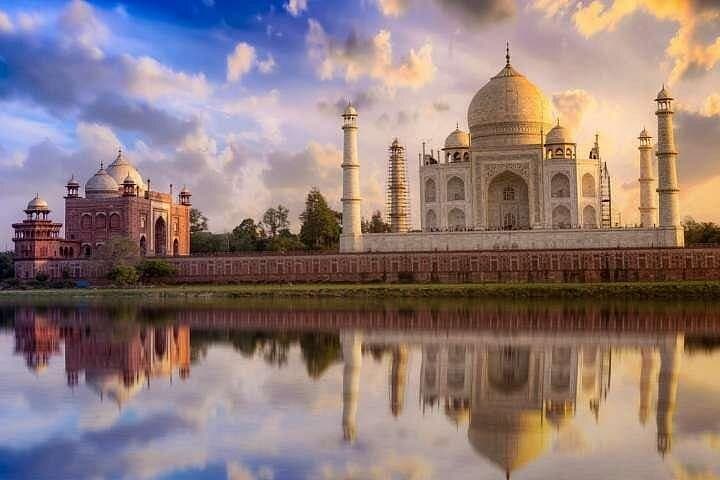
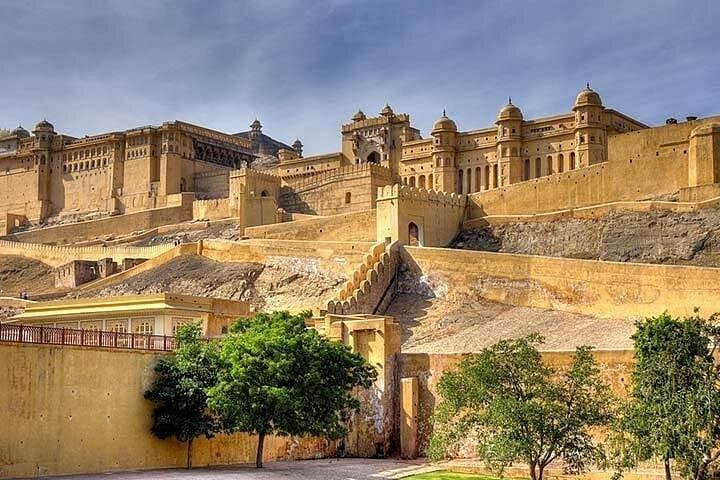
This two-day circuit links three distinct chapters of North Indian history. Agra’s Taj Mahal (17th century Mughal architecture) and red-sandstone Agra Fort tell a Mughal story of imperial wealth and funerary craft. Jaipur, founded in the 18th century by Maharaja Sawai Jai Singh II, showcases Rajput planning and fort architecture—the Amber Fort and the honeycombed Hawa Mahal give an unmistakable regional character.
Geology here is gentle: alluvial plains of the Ganges-Yamuna basin with low ridges around Jaipur. Culture is tactile—market colors, spice aromas, and craft workshops where block printing and gemstone cutting still thrive.
Practical guide: expect roughly 3–4 hours Delhi–Agra via Yamuna Expressway (about 200–230 km) and roughly 4–5 hours Agra–Jaipur (circa 240 km) depending on traffic. Aim for the earliest Taj entry to avoid heat and crowds; carry water, sun protection and comfortable shoes for cobbled ramps and palace steps. Allow time for traffic, passport/photo ID for monument entry, and a small buffer for photography stops at Jal Mahal. Reserve hotels in Delhi or Jaipur when returning late; private AC transport and an English-speaking guide make sightseeing efficient. With moderate walking and long but manageable drives, this itinerary packs three world-class sites into a compact, practical cultural sprint.
On the Yamuna Expressway it typically takes about 3–4 hours (roughly 200–230 km) depending on your exact start point and traffic.
Most packages do not include monument entrance fees by default—confirm with the operator; guides often help with tickets on arrival.
Primary zones like gardens and some ramps are accessible, but many historic buildings have steps and uneven surfaces; check specific accessibility details ahead of time.
Tipping is customary; a small gratuity to guides and drivers is appreciated—adjust based on service and group size.
Tour Guide Delhi operates guided outdoor trips and adventures with an emphasis on safety, stewardship, and memorable experiences.

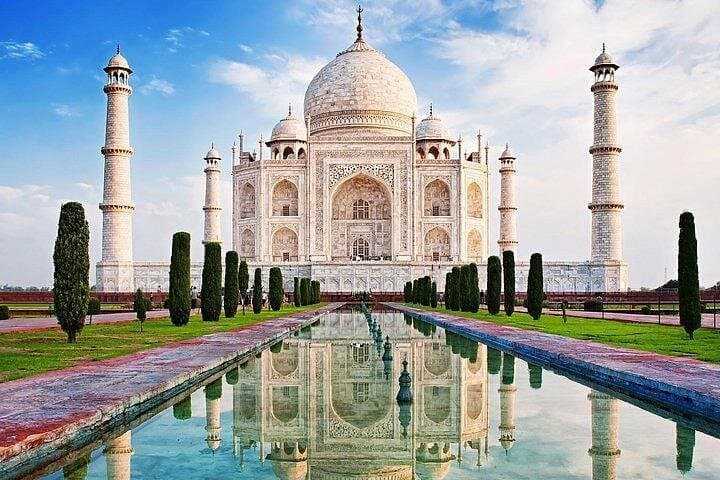
The day begins before dawn as your driver threads out of New Delhi and the plains open toward the Yamuna; the expressway pushes you westward and the landscape flattens into a ribbon of fields and low scrub. By mid-morning the Taj Mahal’s white dome resolves from the haze—marble catching the light, crowds breathing in hushed unison.
The day begins before dawn as your driver threads out of New Delhi and the plains open toward the Yamuna; the expressway pushes you westward and the landscape flattens into a ribbon of fields and low scrub. By mid-morning the Taj Mahal’s white dome resolves from the haze—marble catching the light, crowds breathing in hushed unison.
This two-day circuit links three distinct chapters of North Indian history. Agra’s Taj Mahal (17th century Mughal architecture) and red-sandstone Agra Fort tell a Mughal story of imperial wealth and funerary craft. Jaipur, founded in the 18th century by Maharaja Sawai Jai Singh II, showcases Rajput planning and fort architecture—the Amber Fort and the honeycombed Hawa Mahal give an unmistakable regional character.
Geology here is gentle: alluvial plains of the Ganges-Yamuna basin with low ridges around Jaipur. Culture is tactile—market colors, spice aromas, and craft workshops where block printing and gemstone cutting still thrive.
Practical guide: expect roughly 3–4 hours Delhi–Agra via Yamuna Expressway (about 200–230 km) and roughly 4–5 hours Agra–Jaipur (circa 240 km) depending on traffic. Aim for the earliest Taj entry to avoid heat and crowds; carry water, sun protection and comfortable shoes for cobbled ramps and palace steps. Allow time for traffic, passport/photo ID for monument entry, and a small buffer for photography stops at Jal Mahal. Reserve hotels in Delhi or Jaipur when returning late; private AC transport and an English-speaking guide make sightseeing efficient. With moderate walking and long but manageable drives, this itinerary packs three world-class sites into a compact, practical cultural sprint.
