THE ADVENTURE COLLECTIVE® · Independent discovery and booking for outdoor travel

A brisk, two-day Golden Triangle itinerary that pairs the Taj Mahal’s marble stateliness with Jaipur’s forts and palaces. Perfect for travelers who want efficient logistics, guided context, and sunrise views without a long multi-city slog.
A brisk, two-day Golden Triangle itinerary that pairs the Taj Mahal’s marble stateliness with Jaipur’s forts and palaces. Perfect for travelers who want efficient logistics, guided context, and sunrise views without a long multi-city slog.
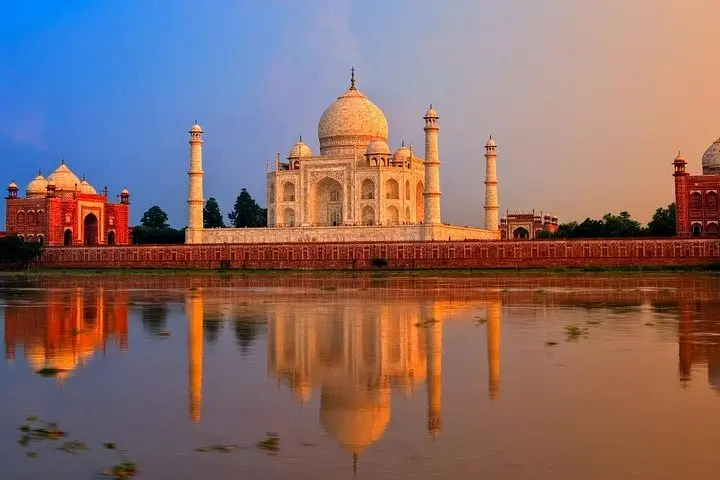
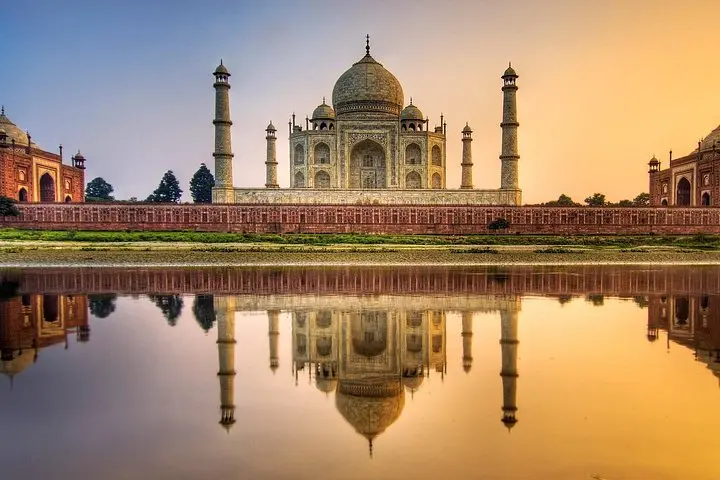
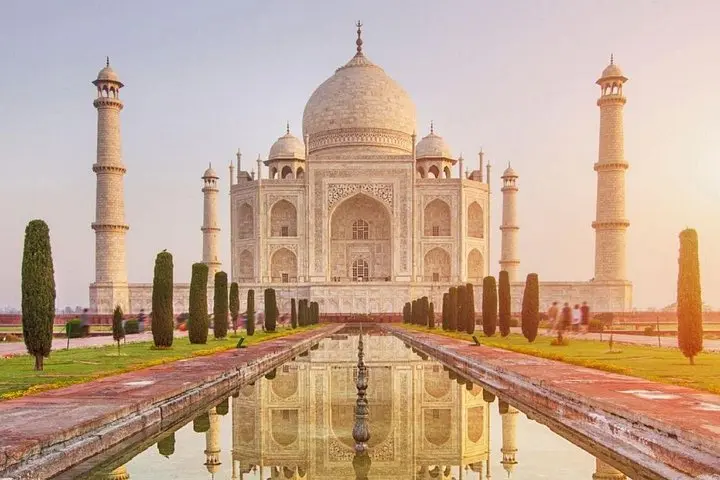
You step into pre-dawn Delhi and the car peels out onto the expressway, the city shrinking behind you as the road unfurls toward Agra. Four hours later the Taj Mahal appears across its gardens—white marble catching light like a held breath—and the guide's voice pulls history into clear focus.
Verified experiences and guided adventures in the surrounding area.
Operated by Julie International Tours · New Delhi, Delhi
You step into pre-dawn Delhi and the car peels out onto the expressway, the city shrinking behind you as the road unfurls toward Agra. Four hours later the Taj Mahal appears across its gardens—white marble catching light like a held breath—and the guide's voice pulls history into clear focus.
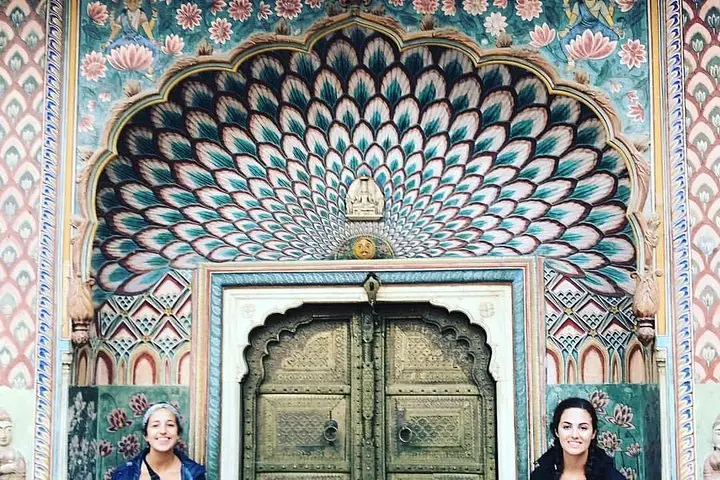
This compact Golden Triangle loop pairs Mughal Agra and Rajput Jaipur. The Taj Mahal (17th century) is foremost: an architectonic love-story hewn from Makrana marble with inlaid pietra dura and axial symmetry. Jaipur’s Amber Fort, City Palace, Hawa Mahal and Jantar Mantar trace Rajput court culture and early modern astronomical practice. Geologically, the Gangetic plains yield fertile alluvium beneath the roads here, while Jaipur’s outcrops of pink sandstone rise from the Aravalli foothills.
Culturally expect busy market lanes, street vendors selling chai and kachori, and formal palace spaces threaded with royal iconography. The tour balances guided monuments with drives between cities; anticipate paved highways, some cobbled fort ramps and marble platforms that can be slippery when wet.
Practical edge: start early to catch Taj at sunrise and to avoid mid-day heat; carry photocopies of ID, modest clothing for temple and palace interiors, and comfortable closed shoes for uneven steps. Hydrate frequently—packaged water is typically provided but carry extras for long drives. Keep small currency for local purchases and gratuities, and confirm hotel check-out and airport timings to match the two-day rhythm. With modest preparation this tour delivers concentrated history, memorable architecture, and efficient transport between India’s most photographed sites.
Yes — the tour includes private pick-up from Delhi hotels, the airport or railway stations; confirm your pickup point at booking.
Admission is typically not included in the base price; local guides usually advise on ticket purchase for sites like Taj Mahal and Amber Fort.
Yes — it’s rated easy with minimal walking required, though some locations involve stairs; mobility assistance should be requested in advance.
Expect roughly four hours from Delhi to Agra on the expressway, followed by a longer drive from Agra to Jaipur; the itinerary is predominantly road-based between sites.
Julie International Tours operates guided outdoor trips and adventures with an emphasis on safety, stewardship, and memorable experiences.
You step into pre-dawn Delhi and the car peels out onto the expressway, the city shrinking behind you as the road unfurls toward Agra. Four hours later the Taj Mahal appears across its gardens—white marble catching light like a held breath—and the guide's voice pulls history into clear focus.
You step into pre-dawn Delhi and the car peels out onto the expressway, the city shrinking behind you as the road unfurls toward Agra. Four hours later the Taj Mahal appears across its gardens—white marble catching light like a held breath—and the guide's voice pulls history into clear focus.
This compact Golden Triangle loop pairs Mughal Agra and Rajput Jaipur. The Taj Mahal (17th century) is foremost: an architectonic love-story hewn from Makrana marble with inlaid pietra dura and axial symmetry. Jaipur’s Amber Fort, City Palace, Hawa Mahal and Jantar Mantar trace Rajput court culture and early modern astronomical practice. Geologically, the Gangetic plains yield fertile alluvium beneath the roads here, while Jaipur’s outcrops of pink sandstone rise from the Aravalli foothills.
Culturally expect busy market lanes, street vendors selling chai and kachori, and formal palace spaces threaded with royal iconography. The tour balances guided monuments with drives between cities; anticipate paved highways, some cobbled fort ramps and marble platforms that can be slippery when wet.
Practical edge: start early to catch Taj at sunrise and to avoid mid-day heat; carry photocopies of ID, modest clothing for temple and palace interiors, and comfortable closed shoes for uneven steps. Hydrate frequently—packaged water is typically provided but carry extras for long drives. Keep small currency for local purchases and gratuities, and confirm hotel check-out and airport timings to match the two-day rhythm. With modest preparation this tour delivers concentrated history, memorable architecture, and efficient transport between India’s most photographed sites.