THE ADVENTURE COLLECTIVE® · Independent discovery and booking for outdoor travel

A compact, private three-day loop from Delhi to Agra and Jaipur that visits the Taj Mahal, Agra Fort, Amer Fort and Jaipur’s City Palace. Ideal for travelers who want curated historical context, skip-the-line access, and two nights in quality hotels.
A compact, private three-day loop from Delhi to Agra and Jaipur that visits the Taj Mahal, Agra Fort, Amer Fort and Jaipur’s City Palace. Ideal for travelers who want curated historical context, skip-the-line access, and two nights in quality hotels.
You step out into an early morning Delhi street where the city is already rearranging itself: cycle rickshaws hum, chai vendors hand steaming cups over, and the silhouette of the India Gate slices the pale sky.
Verified experiences and guided adventures in the surrounding area.
Operated by Taj Mahal Private Tours · New Delhi, Delhi
You step out into an early morning Delhi street where the city is already rearranging itself: cycle rickshaws hum, chai vendors hand steaming cups over, and the silhouette of the India Gate slices the pale sky.
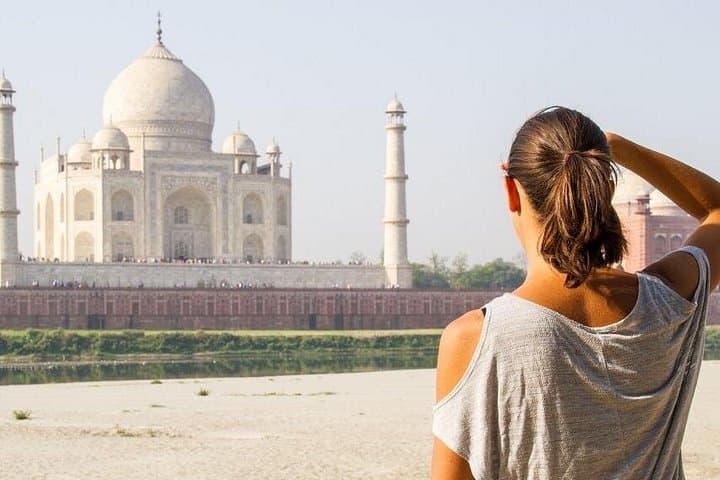
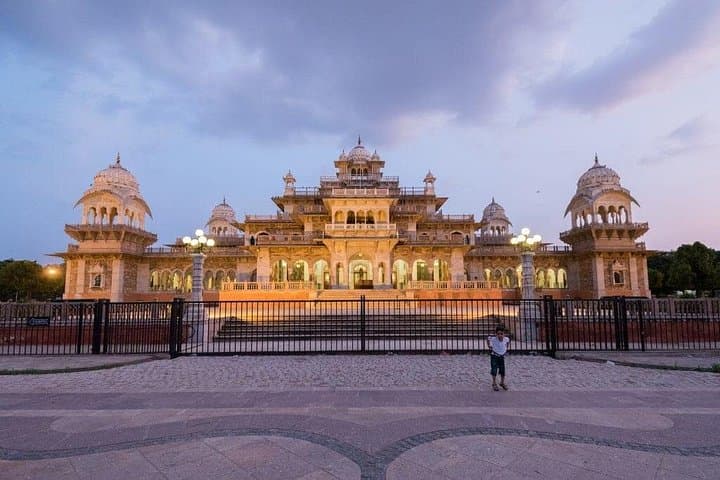
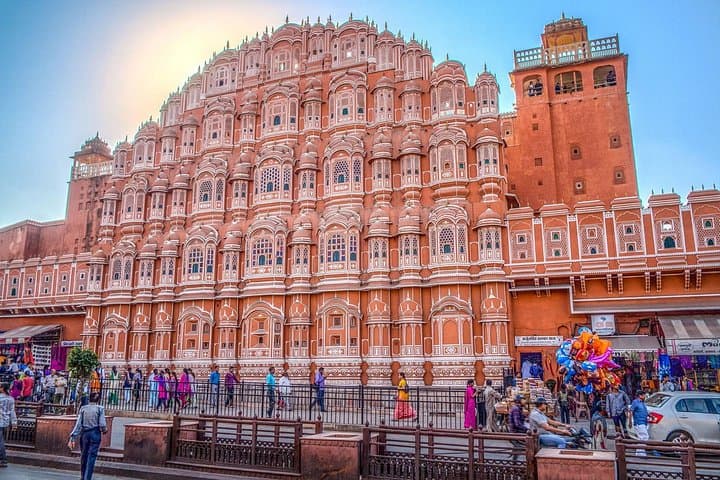
This three-day private loop threads through three historic urban landscapes — New Delhi's imperial avenues and modern monuments, Agra's riverbank mausoleum of the Taj Mahal, and Jaipur's rose-hued palaces and hilltop Amer Fort. The route traces Mughal and Rajput chapters: Shah Jahan's marble ambition on the Yamuna, imperial city planning in Lutyens' New Delhi, and Maharaja Sawai Jai Singh II's geometric grid that birthed Jaipur in 1727.
Geology and urban form show themselves in building materials: Makrana marble in Agra, red and pink sandstone in Rajasthan, and laterite and brick in Delhi's Qutb complex. Local culture announces itself in market alleys, spice hum, and the cadence of bargaining; knowledgeable local guides help parse layers of patronage, craft, and courtly life.
Practical guidance: expect early starts, a mix of walking on paved city streets and short uphill approaches at Amer Fort, and roughly 3 days of moderate urban touring with seated transfers. Skip-the-line entries and private transfers cut transit stress but bring comfortable walking shoes, sun protection, and a refillable bottle — bottled water is provided by many operators. Plan visits to the Taj for sunrise or early morning to avoid crowds, carry a photocopy of your passport for some monuments, and allow time in bazaars if you want textiles or block-printed goods. The tour balances big-name monuments with the practical rhythm of travel: hydration, timing, and a good local guide turn visits into understanding.
Yes, monument entrance fees for Taj Mahal, Agra Fort, and Jaipur attractions are included per the itinerary.
Yes, round-trip private transfers, hotel pickup and drop-off, and all intercity transport are provided.
The package lists night stays in 5-star hotels in Agra and Jaipur; confirm rooming configuration and special requests at booking.
The tour is wheelchair accessible in many areas and suitable for all fitness levels, but some forts have stairs and uneven surfaces; notify the operator for assistance.
Taj Mahal Private Tours operates guided outdoor trips and adventures with an emphasis on safety, stewardship, and memorable experiences.
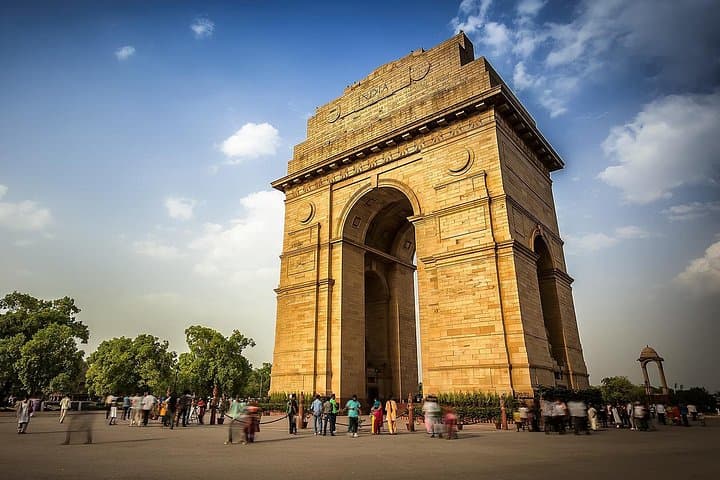
You step out into an early morning Delhi street where the city is already rearranging itself: cycle rickshaws hum, chai vendors hand steaming cups over, and the silhouette of the India Gate slices the pale sky.
You step out into an early morning Delhi street where the city is already rearranging itself: cycle rickshaws hum, chai vendors hand steaming cups over, and the silhouette of the India Gate slices the pale sky.
This three-day private loop threads through three historic urban landscapes — New Delhi's imperial avenues and modern monuments, Agra's riverbank mausoleum of the Taj Mahal, and Jaipur's rose-hued palaces and hilltop Amer Fort. The route traces Mughal and Rajput chapters: Shah Jahan's marble ambition on the Yamuna, imperial city planning in Lutyens' New Delhi, and Maharaja Sawai Jai Singh II's geometric grid that birthed Jaipur in 1727.
Geology and urban form show themselves in building materials: Makrana marble in Agra, red and pink sandstone in Rajasthan, and laterite and brick in Delhi's Qutb complex. Local culture announces itself in market alleys, spice hum, and the cadence of bargaining; knowledgeable local guides help parse layers of patronage, craft, and courtly life.
Practical guidance: expect early starts, a mix of walking on paved city streets and short uphill approaches at Amer Fort, and roughly 3 days of moderate urban touring with seated transfers. Skip-the-line entries and private transfers cut transit stress but bring comfortable walking shoes, sun protection, and a refillable bottle — bottled water is provided by many operators. Plan visits to the Taj for sunrise or early morning to avoid crowds, carry a photocopy of your passport for some monuments, and allow time in bazaars if you want textiles or block-printed goods. The tour balances big-name monuments with the practical rhythm of travel: hydration, timing, and a good local guide turn visits into understanding.