THE ADVENTURE COLLECTIVE® · Independent discovery and booking for outdoor travel

See the Taj Mahal, Agra Fort and Jaipur’s forts in three days on a private itinerary that balances sunrise views, guided history, and time-efficient transfers. Ideal for travelers who want concentrated cultural sightseeing with a local driver and guide.
See the Taj Mahal, Agra Fort and Jaipur’s forts in three days on a private itinerary that balances sunrise views, guided history, and time-efficient transfers. Ideal for travelers who want concentrated cultural sightseeing with a local driver and guide.
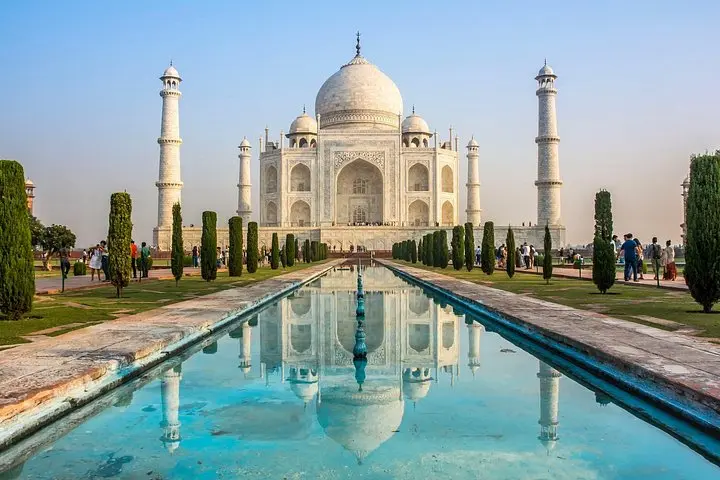
Dawn breaks over New Delhi’s ring roads and the city exhales into the highway — your private car threading out past government buildings and mustard fields toward the Yamuna plain. By sunrise the Taj Mahal sits across the river like a pale promise, its marble reflecting early light; later days trade white marble for rose-hued palaces and stone observatories as you move between Mughal and Rajput chapters of northern India.
Verified experiences and guided adventures in the surrounding area.
Operated by Golden Triangle Tour - India Bound Tour · New Delhi, Delhi
Dawn breaks over New Delhi’s ring roads and the city exhales into the highway — your private car threading out past government buildings and mustard fields toward the Yamuna plain. By sunrise the Taj Mahal sits across the river like a pale promise, its marble reflecting early light; later days trade white marble for rose-hued palaces and stone observatories as you move between Mughal and Rajput chapters of northern India.
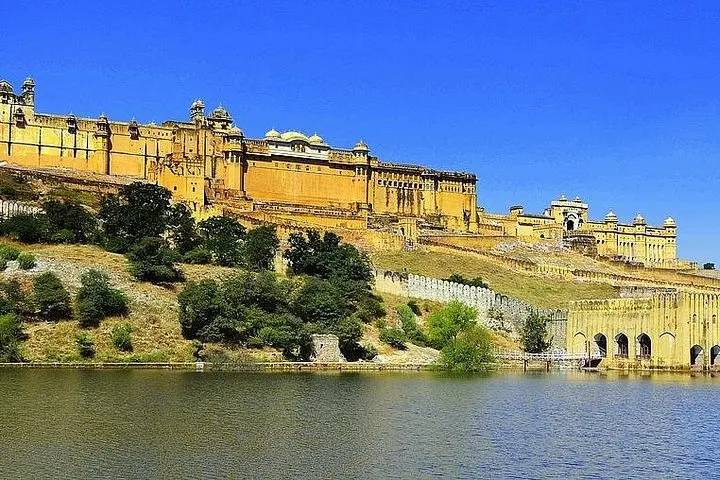
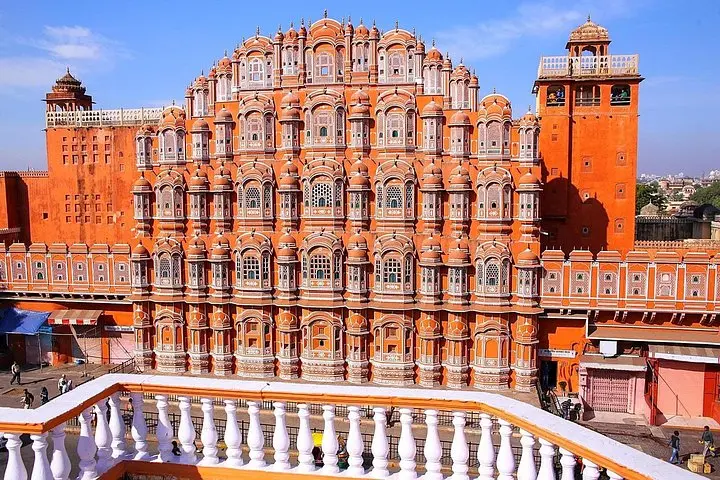
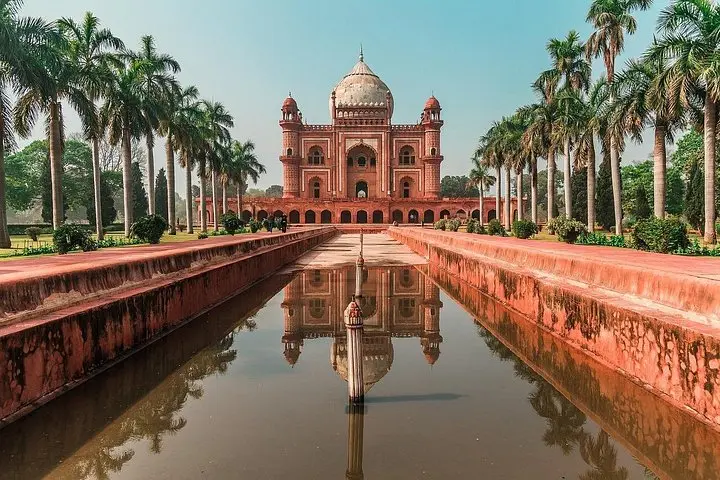
This clockwise Golden Triangle run stitches together UNESCO sites and layered histories: Qutub Minar’s 12th-century tapering brickwork marking Delhi’s medieval rise, Humayun’s Persianate gardens pointing to Mughal cosmology, Agra’s Mughal forts and the Taj’s pietra dura inlay, and Jaipur’s planned grid, City Palace façades, and the sundials of Jantar Mantar. Geologically, the route follows the Indo-Gangetic plains — flat, alluvial ground punctuated by river terraces; Jaipur’s sandstone rises provide the only real change in elevation.
Expect structured sightseeing with short walks, stair sections at Amber Fort, and market-side stops for chai and street snacks. Distances: Delhi–Agra ~230 km (3.5–4.5 hrs), Agra–Jaipur ~240 km (4–5 hrs), Jaipur–Delhi ~270 km (5–6 hrs) depending on traffic. Travel windows favor early starts: sunrise at the Taj avoids crowds and heat. Practical notes: carry photo ID for monument entry, modest clothing for religious sites, cash for small vendors, and a refillable water bottle — summers are hot and dusty, winters crisp in the mornings. The private format means flexible pacing, but plan for several hours of driving each day and comfortable footwear for uneven stone steps and courtyards.
Most monument admissions are not included by default; check the tour inclusions and be prepared to pay entrance fees or confirm if your package covers them.
This private tour typically allows customization—discuss added stops, pacing, or meal preferences with your operator before departure.
Yes; the tour is rated easy but involves walking and stairs—notify the operator about mobility needs so pacing and vehicle access can be arranged.
Carry small denominations (INR) for tips, street food, and market purchases; most hotels and larger shops accept cards but cash speeds transactions in bazaars.
Golden Triangle Tour - India Bound Tour operates guided outdoor trips and adventures with an emphasis on safety, stewardship, and memorable experiences.
Dawn breaks over New Delhi’s ring roads and the city exhales into the highway — your private car threading out past government buildings and mustard fields toward the Yamuna plain. By sunrise the Taj Mahal sits across the river like a pale promise, its marble reflecting early light; later days trade white marble for rose-hued palaces and stone observatories as you move between Mughal and Rajput chapters of northern India.
Dawn breaks over New Delhi’s ring roads and the city exhales into the highway — your private car threading out past government buildings and mustard fields toward the Yamuna plain. By sunrise the Taj Mahal sits across the river like a pale promise, its marble reflecting early light; later days trade white marble for rose-hued palaces and stone observatories as you move between Mughal and Rajput chapters of northern India.
This clockwise Golden Triangle run stitches together UNESCO sites and layered histories: Qutub Minar’s 12th-century tapering brickwork marking Delhi’s medieval rise, Humayun’s Persianate gardens pointing to Mughal cosmology, Agra’s Mughal forts and the Taj’s pietra dura inlay, and Jaipur’s planned grid, City Palace façades, and the sundials of Jantar Mantar. Geologically, the route follows the Indo-Gangetic plains — flat, alluvial ground punctuated by river terraces; Jaipur’s sandstone rises provide the only real change in elevation.
Expect structured sightseeing with short walks, stair sections at Amber Fort, and market-side stops for chai and street snacks. Distances: Delhi–Agra ~230 km (3.5–4.5 hrs), Agra–Jaipur ~240 km (4–5 hrs), Jaipur–Delhi ~270 km (5–6 hrs) depending on traffic. Travel windows favor early starts: sunrise at the Taj avoids crowds and heat. Practical notes: carry photo ID for monument entry, modest clothing for religious sites, cash for small vendors, and a refillable water bottle — summers are hot and dusty, winters crisp in the mornings. The private format means flexible pacing, but plan for several hours of driving each day and comfortable footwear for uneven stone steps and courtyards.