THE ADVENTURE COLLECTIVE® · Independent discovery and booking for outdoor travel

Three days across Delhi, Agra and Jaipur, timed for a sunrise visit to the Taj Mahal. This private tour pairs efficient driving with guided access to major monuments, ideal for travelers seeking concentrated cultural highlights without the hassle of planning.
Three days across Delhi, Agra and Jaipur, timed for a sunrise visit to the Taj Mahal. This private tour pairs efficient driving with guided access to major monuments, ideal for travelers seeking concentrated cultural highlights without the hassle of planning.
On a pre-dawn morning outside Agra, the white marble of the Taj Mahal cools in shadow and then begins to change color as light creeps over the Yamuna. The guide times the approach so visitors arrive as gates open; the monument stands quiet, the river beside it seeming to dare the day to begin. Over three days, travelers move by private, air-conditioned car from New Delhi’s grand boulevards to Agra’s Mughal ramparts and Jaipur’s honey-colored palaces.
Verified experiences and guided adventures in the surrounding area.
Operated by Delhi Tour Guide · Agra, Uttar Pradesh
On a pre-dawn morning outside Agra, the white marble of the Taj Mahal cools in shadow and then begins to change color as light creeps over the Yamuna. The guide times the approach so visitors arrive as gates open; the monument stands quiet, the river beside it seeming to dare the day to begin. Over three days, travelers move by private, air-conditioned car from New Delhi’s grand boulevards to Agra’s Mughal ramparts and Jaipur’s honey-colored palaces.
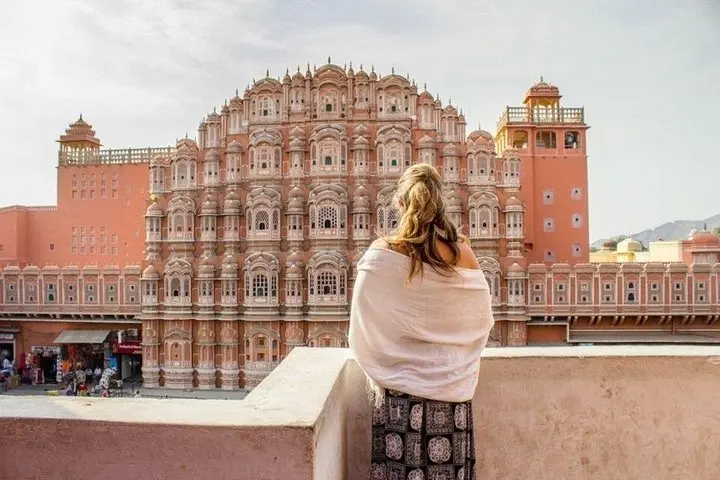
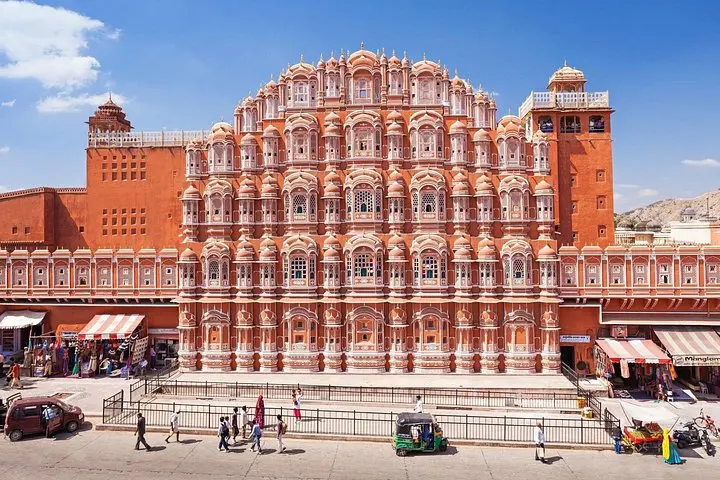
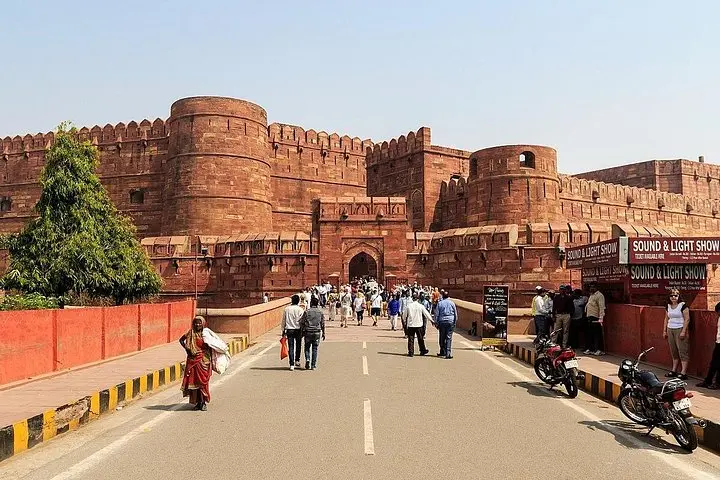
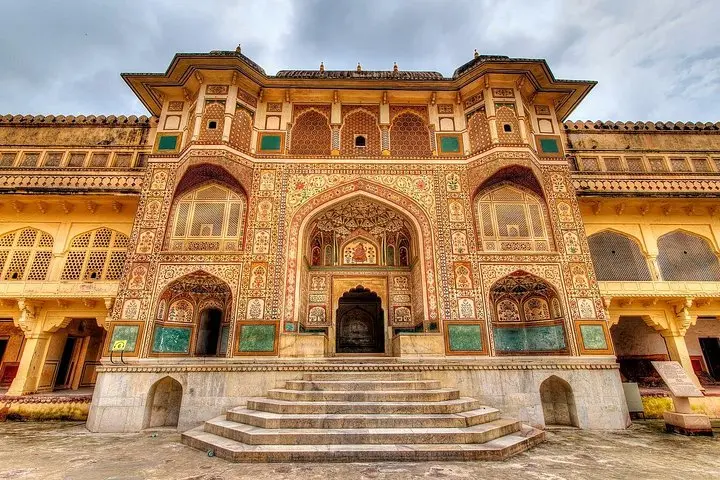
The route threads together Mughal and Rajput history: Qutub Minar’s 12th‑century sandstone tower, Shah Jahan’s Taj Mahal and the gunmetal walls of Agra Fort, and Jaipur’s hilltop Amber Fort overlooking a lake. Geologically, the plains are alluvium—fertile river deposits that made this corridor a natural political and trade route for centuries. Culturally, the cities are living museums of crafts, from Agra’s pietra dura inlay to Jaipur’s block-printed textiles and Rajasthani cuisine.
Practically, the tour is paced for sightseeing rather than strenuous hiking: expect several long drives (3–4 hours between cities), short guided walks around monuments, and many steps at forts and palaces. Carry sun protection and a light rain layer in monsoon months; modest dress is required at some sites. Guides handle tickets and timing to minimize queues and maximize sunrise light at the Taj.
For planners: aim for an early start in Agra and midweek travel to avoid peak crowds. Bring a camera with a wide lens for architecture, local currency for small purchases, and comfortable shoes for uneven stone floors. The itinerary balances iconic architecture with manageable logistics—ideal for travelers who want concentrated cultural sightlines without independent navigation hassles.
Yes—this private tour is flexible; you can request changes to time spent at sites or alternate stops when booking.
Guided entry at the Taj Mahal is arranged during the tour; confirm whether entrance fees are covered when booking.
Expect roughly 3–4 hours Delhi–Agra via the Yamuna Expressway and about 4–5 hours from Agra to Jaipur depending on traffic and stops.
The tour includes 2 nights’ accommodation at selected 3/4/5-star hotels and breakfast on days specified; verify meal inclusions when booking.
Delhi Tour Guide operates guided outdoor trips and adventures with an emphasis on safety, stewardship, and memorable experiences.
On a pre-dawn morning outside Agra, the white marble of the Taj Mahal cools in shadow and then begins to change color as light creeps over the Yamuna. The guide times the approach so visitors arrive as gates open; the monument stands quiet, the river beside it seeming to dare the day to begin. Over three days, travelers move by private, air-conditioned car from New Delhi’s grand boulevards to Agra’s Mughal ramparts and Jaipur’s honey-colored palaces.
On a pre-dawn morning outside Agra, the white marble of the Taj Mahal cools in shadow and then begins to change color as light creeps over the Yamuna. The guide times the approach so visitors arrive as gates open; the monument stands quiet, the river beside it seeming to dare the day to begin. Over three days, travelers move by private, air-conditioned car from New Delhi’s grand boulevards to Agra’s Mughal ramparts and Jaipur’s honey-colored palaces.
The route threads together Mughal and Rajput history: Qutub Minar’s 12th‑century sandstone tower, Shah Jahan’s Taj Mahal and the gunmetal walls of Agra Fort, and Jaipur’s hilltop Amber Fort overlooking a lake. Geologically, the plains are alluvium—fertile river deposits that made this corridor a natural political and trade route for centuries. Culturally, the cities are living museums of crafts, from Agra’s pietra dura inlay to Jaipur’s block-printed textiles and Rajasthani cuisine.
Practically, the tour is paced for sightseeing rather than strenuous hiking: expect several long drives (3–4 hours between cities), short guided walks around monuments, and many steps at forts and palaces. Carry sun protection and a light rain layer in monsoon months; modest dress is required at some sites. Guides handle tickets and timing to minimize queues and maximize sunrise light at the Taj.
For planners: aim for an early start in Agra and midweek travel to avoid peak crowds. Bring a camera with a wide lens for architecture, local currency for small purchases, and comfortable shoes for uneven stone floors. The itinerary balances iconic architecture with manageable logistics—ideal for travelers who want concentrated cultural sightlines without independent navigation hassles.