THE ADVENTURE COLLECTIVE® · Independent discovery and booking for outdoor travel

Three days, a private car, and sunrise at the Taj Mahal—this classic Golden Triangle loop pairs tightly scheduled sightseeing with local guides who add history and practical navigation. Expect early mornings, palace courtyards, and long drives across the flat Gangetic plain.
Three days, a private car, and sunrise at the Taj Mahal—this classic Golden Triangle loop pairs tightly scheduled sightseeing with local guides who add history and practical navigation. Expect early mornings, palace courtyards, and long drives across the flat Gangetic plain.
You step out before dawn as headlights thread Delhi’s arterial roads; the air smells faintly of chai and diesel, and your private car eases onto the expressway toward the rising sun. By the time you reach the Yamuna’s bank in Agra, the Taj Mahal shifts from silhouette to alabaster detail as first light picks out its inlay and calligraphy.
Verified experiences and guided adventures in the surrounding area.
Operated by Joyful Holidays · Agra, Uttar Pradesh
You step out before dawn as headlights thread Delhi’s arterial roads; the air smells faintly of chai and diesel, and your private car eases onto the expressway toward the rising sun. By the time you reach the Yamuna’s bank in Agra, the Taj Mahal shifts from silhouette to alabaster detail as first light picks out its inlay and calligraphy.
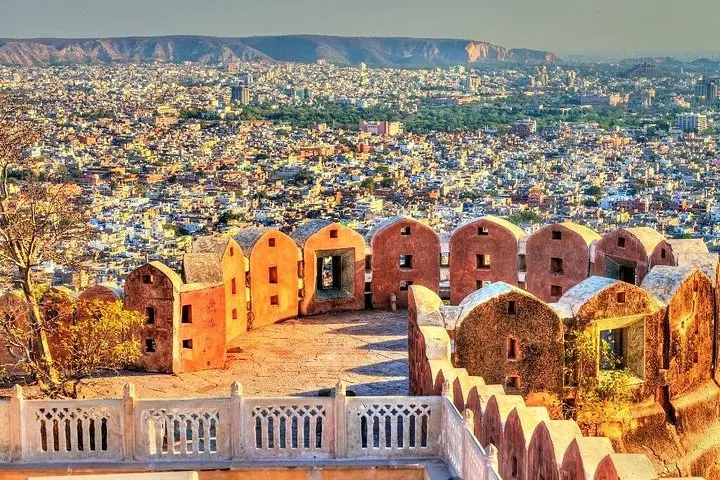
This itinerary threads three cities that shaped Mughal and Rajput history. Delhi’s layered architecture—Lutyens’ Parliament, the Qutub Minar—tells of imperial planning and conquest; Agra holds Shah Jahan’s mausoleum and the red sandstone Agra Fort; Jaipur, founded by Maharaja Sawai Jai Singh II, showcases fortified hilltop palaces and precise observatories. Geologically the route crosses the flat alluvial Gangetic plain, so roads are straightforward but traffic and distance define the rhythm: roughly 3–4 hours Delhi→Agra (200 km), 3–4 hours Agra→Jaipur (240 km), and 4–5 hours Jaipur→Delhi (250–270 km).
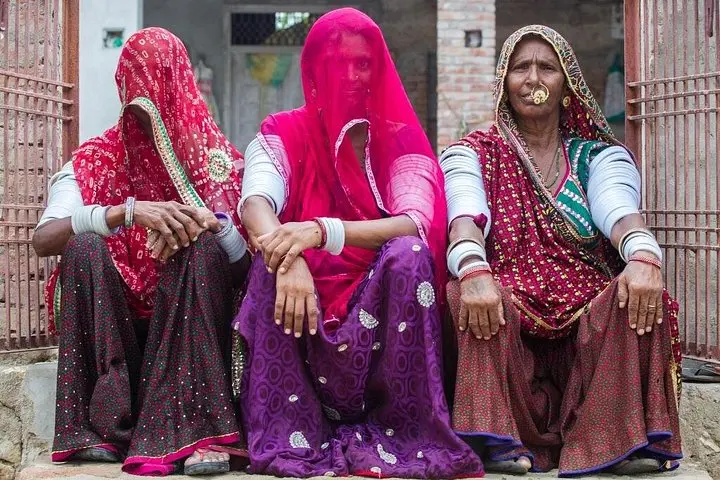
Culturally expect guide-driven context—mughal funerary symbolism at the Taj, Mughal-Rajput courtcraft in Jaipur—and markets where lacquer, block-print textiles, and marble inlay are made locally. Practicalities matter: sunrise visits require early wake-ups and timed entry; tickets and photo rules at the Taj are enforced, and security lines can be long. Bring comfortable walking shoes for paved and uneven floors, sun protection for open courtyards, a reusable water bottle, and a charged phone for photos. Pace your days around traffic windows (early starts, late-afternoon drives) and keep photocopied ID ready for ticket counters. With a private car and local guides, the route becomes a reliable, sensory-driven loop through India’s historic heart.
Most tour listings do not include monument entrance fees; confirm with the operator—guides often purchase tickets on your behalf but budget for Taj Mahal, Agra Fort, and Jaipur palace tickets.
Sunrise timing varies by season; guides typically meet at 5:00–5:45 AM to allow queue and security processing—confirm the exact pick-up time the night before.
Many sites have limited wheelchair access; operators note wheelchair-accessible transportation is possible, but access within historic monuments can be uneven—ask about specific mobility needs in advance.
Tipping is customary—plan roughly 300–800 INR per day for guides and 200–500 INR per day for drivers, depending on service and group size.
Joyful Holidays operates guided outdoor trips and adventures with an emphasis on safety, stewardship, and memorable experiences.
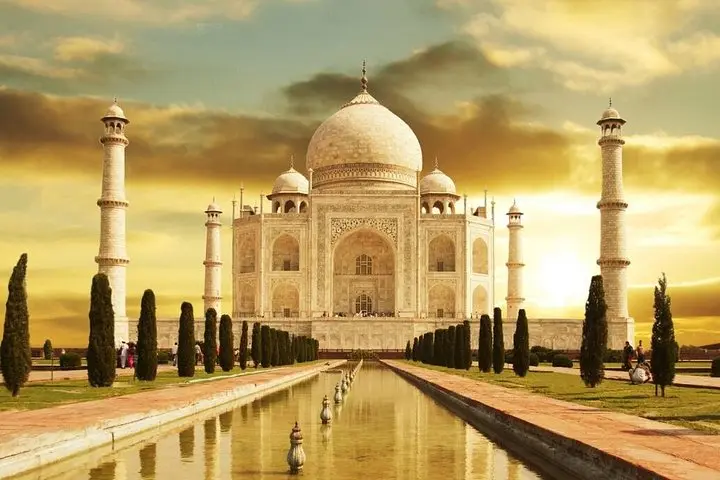
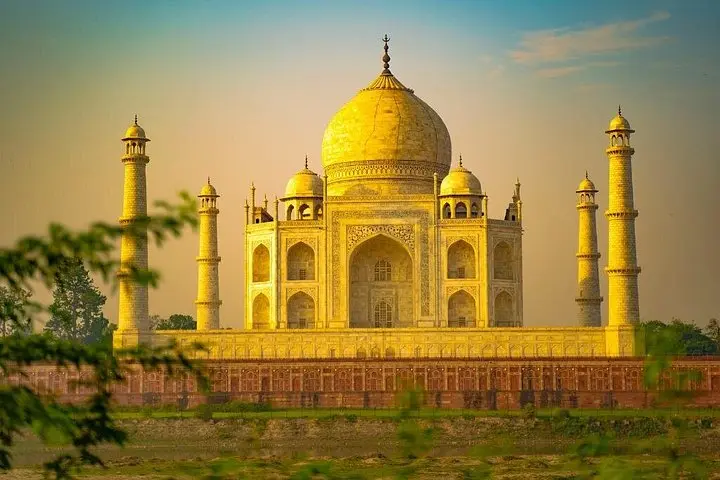
You step out before dawn as headlights thread Delhi’s arterial roads; the air smells faintly of chai and diesel, and your private car eases onto the expressway toward the rising sun. By the time you reach the Yamuna’s bank in Agra, the Taj Mahal shifts from silhouette to alabaster detail as first light picks out its inlay and calligraphy.
You step out before dawn as headlights thread Delhi’s arterial roads; the air smells faintly of chai and diesel, and your private car eases onto the expressway toward the rising sun. By the time you reach the Yamuna’s bank in Agra, the Taj Mahal shifts from silhouette to alabaster detail as first light picks out its inlay and calligraphy.
This itinerary threads three cities that shaped Mughal and Rajput history. Delhi’s layered architecture—Lutyens’ Parliament, the Qutub Minar—tells of imperial planning and conquest; Agra holds Shah Jahan’s mausoleum and the red sandstone Agra Fort; Jaipur, founded by Maharaja Sawai Jai Singh II, showcases fortified hilltop palaces and precise observatories. Geologically the route crosses the flat alluvial Gangetic plain, so roads are straightforward but traffic and distance define the rhythm: roughly 3–4 hours Delhi→Agra (200 km), 3–4 hours Agra→Jaipur (240 km), and 4–5 hours Jaipur→Delhi (250–270 km).
Culturally expect guide-driven context—mughal funerary symbolism at the Taj, Mughal-Rajput courtcraft in Jaipur—and markets where lacquer, block-print textiles, and marble inlay are made locally. Practicalities matter: sunrise visits require early wake-ups and timed entry; tickets and photo rules at the Taj are enforced, and security lines can be long. Bring comfortable walking shoes for paved and uneven floors, sun protection for open courtyards, a reusable water bottle, and a charged phone for photos. Pace your days around traffic windows (early starts, late-afternoon drives) and keep photocopied ID ready for ticket counters. With a private car and local guides, the route becomes a reliable, sensory-driven loop through India’s historic heart.