THE ADVENTURE COLLECTIVE® · Independent discovery and booking for outdoor travel

A brisk, three-day loop through India’s Golden Triangle—Delhi’s crowded bazaars, Agra’s Taj Mahal at sunrise, and Jaipur’s hilltop Amber Fort—packs imperial history into manageable drives and guided visits. Expect early mornings, long but scenic transfers, and cultural immersion with practical comforts.
A brisk, three-day loop through India’s Golden Triangle—Delhi’s crowded bazaars, Agra’s Taj Mahal at sunrise, and Jaipur’s hilltop Amber Fort—packs imperial history into manageable drives and guided visits. Expect early mornings, long but scenic transfers, and cultural immersion with practical comforts.
Dawn finds the Taj Mahal washed in pale gold, the Yamuna river nudging the gardens as guides usher small groups through the ornate gates. On a three-day Golden Triangle route the rhythm is urban and ancient: rickshaws and narrow bazaars in Old Delhi, Mughal marble in Agra, and the pink-stone facades and hilltop forts of Jaipur.
Verified experiences and guided adventures in the surrounding area.
Operated by Travel With Us · Agra, Uttar Pradesh
Dawn finds the Taj Mahal washed in pale gold, the Yamuna river nudging the gardens as guides usher small groups through the ornate gates. On a three-day Golden Triangle route the rhythm is urban and ancient: rickshaws and narrow bazaars in Old Delhi, Mughal marble in Agra, and the pink-stone facades and hilltop forts of Jaipur.
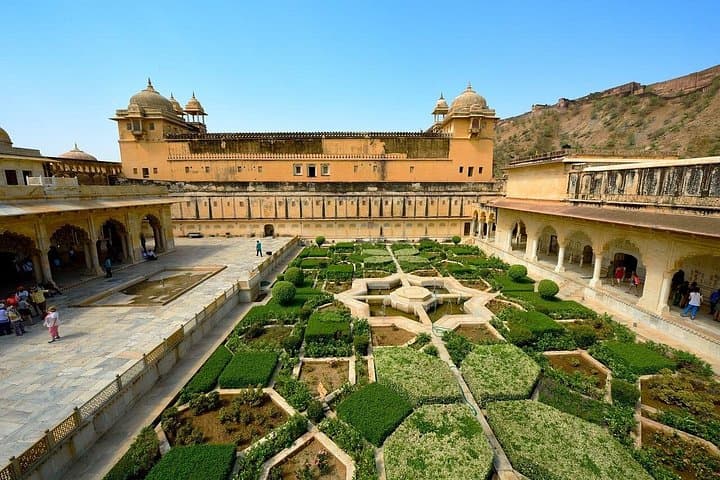
This compact circuit traces 17th–18th century imperial power—Humayun’s Tomb introduced the Mughal garden-tomb form, the Taj Mahal refines it into white-marble symmetry, and Amber Fort in Jaipur shows Rajput defensive architecture layered with later embellishment. Geologically, the plains of northern India are alluvial—flat roads and long drives link monuments that concentrate cultural history rather than wild landscape. Local life threads through markets, street-food stalls and community temples, and guides often point out living crafts: marble inlay work in Agra and block-printed textiles in Jaipur.
Practical guidance: plan pre-dawn arrival at the Taj for cooler light and thinner crowds; sunrise viewing and a guided walk take about 2 hours. Expect road transfers of 3–5 hours—Delhi to Agra ~230 km (3–4 hrs), Agra to Jaipur via Fatehpur Sikri ~240 km (4–5 hrs). Wear closed, comfortable shoes for cobbled courtyards and bring sun protection and a refillable water bottle. Cash in INR is useful; some monuments require shoe covers (often provided). The tour uses a private, air-conditioned vehicle and offers hotel pick-up, accessible routes at major sites, and flexibility to customize stops. Travel lightly, keep valuables secure in busy bazaars, and respect local dress norms when visiting religious sites.
The Taj Mahal is closed on Fridays for prayer; itineraries adjust that day to visit alternate sites or change sequence.
Yes—expect 3–5 hour drives: Delhi–Agra ~3–4 hours, Agra–Jaipur via Fatehpur Sikri ~4–5 hours, Jaipur–Delhi ~4–5 hours depending on traffic and stops.
Yes—some smaller ticket counters, stalls and local vendors accept only cash (INR); guides can usually assist with ATM stops.
Major sites on this itinerary offer accessible pathways, but some historic areas have steps or uneven surfaces; inform the operator ahead to arrange assistance.
Travel With Us operates guided outdoor trips and adventures with an emphasis on safety, stewardship, and memorable experiences.
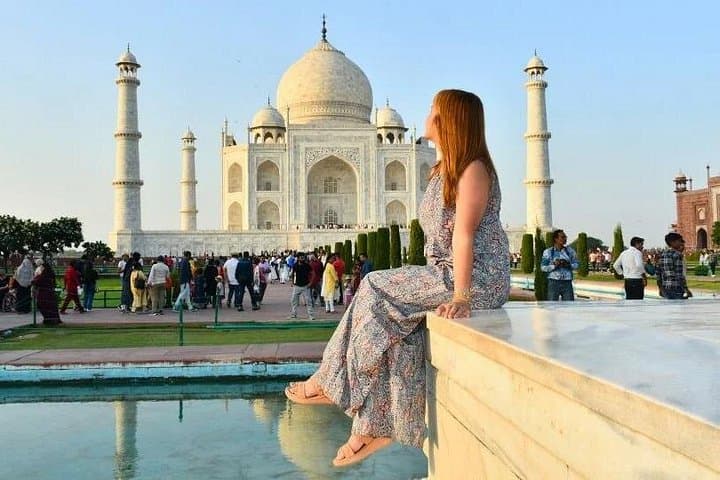
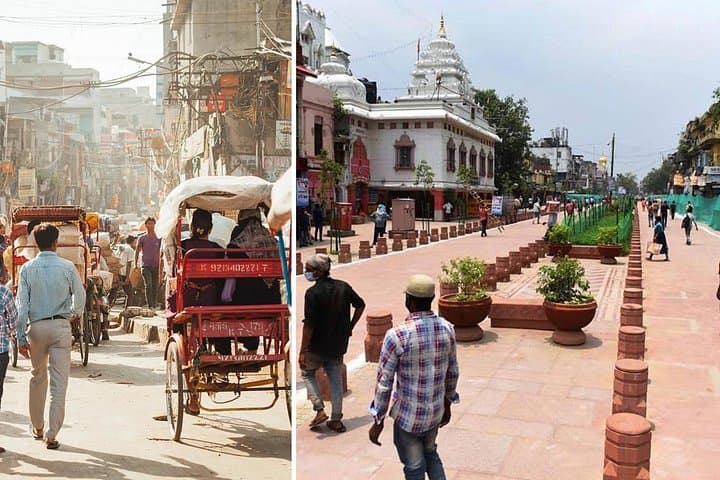
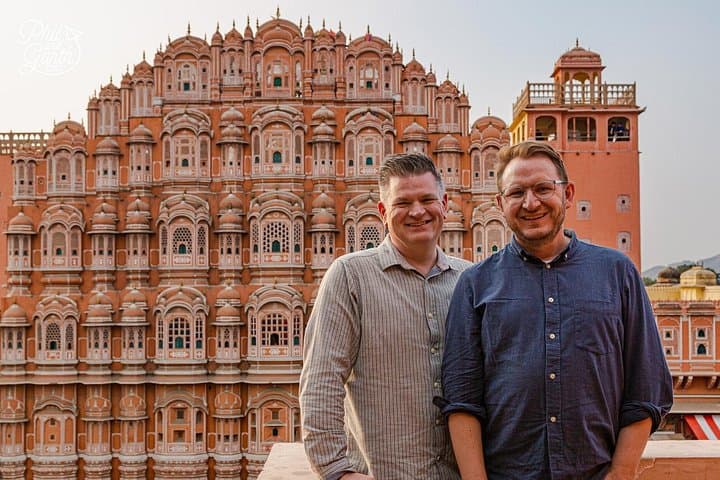
Dawn finds the Taj Mahal washed in pale gold, the Yamuna river nudging the gardens as guides usher small groups through the ornate gates. On a three-day Golden Triangle route the rhythm is urban and ancient: rickshaws and narrow bazaars in Old Delhi, Mughal marble in Agra, and the pink-stone facades and hilltop forts of Jaipur.
Dawn finds the Taj Mahal washed in pale gold, the Yamuna river nudging the gardens as guides usher small groups through the ornate gates. On a three-day Golden Triangle route the rhythm is urban and ancient: rickshaws and narrow bazaars in Old Delhi, Mughal marble in Agra, and the pink-stone facades and hilltop forts of Jaipur.
This compact circuit traces 17th–18th century imperial power—Humayun’s Tomb introduced the Mughal garden-tomb form, the Taj Mahal refines it into white-marble symmetry, and Amber Fort in Jaipur shows Rajput defensive architecture layered with later embellishment. Geologically, the plains of northern India are alluvial—flat roads and long drives link monuments that concentrate cultural history rather than wild landscape. Local life threads through markets, street-food stalls and community temples, and guides often point out living crafts: marble inlay work in Agra and block-printed textiles in Jaipur.
Practical guidance: plan pre-dawn arrival at the Taj for cooler light and thinner crowds; sunrise viewing and a guided walk take about 2 hours. Expect road transfers of 3–5 hours—Delhi to Agra ~230 km (3–4 hrs), Agra to Jaipur via Fatehpur Sikri ~240 km (4–5 hrs). Wear closed, comfortable shoes for cobbled courtyards and bring sun protection and a refillable water bottle. Cash in INR is useful; some monuments require shoe covers (often provided). The tour uses a private, air-conditioned vehicle and offers hotel pick-up, accessible routes at major sites, and flexibility to customize stops. Travel lightly, keep valuables secure in busy bazaars, and respect local dress norms when visiting religious sites.