THE ADVENTURE COLLECTIVE® · Independent discovery and booking for outdoor travel

Ride India’s Gatimaan Express and cover Delhi, the Taj Mahal in Agra, and Jaipur’s forts in a tightly paced three-day loop. This guided private tour pairs efficient transfers with curated site visits and cultural stops.
Ride India’s Gatimaan Express and cover Delhi, the Taj Mahal in Agra, and Jaipur’s forts in a tightly paced three-day loop. This guided private tour pairs efficient transfers with curated site visits and cultural stops.
Morning light fractures through the train window as the Gatimaan Express slides out of Nizamuddin, and the plains between Delhi and Agra unfold like a lived-in map: fields, villages, and roadside temples giving way to the Taj’s marble silhouette.
Verified experiences and guided adventures in the surrounding area.
Operated by Tour Guide Delhi · New Delhi, Delhi
Morning light fractures through the train window as the Gatimaan Express slides out of Nizamuddin, and the plains between Delhi and Agra unfold like a lived-in map: fields, villages, and roadside temples giving way to the Taj’s marble silhouette.
This three-day circuit links three different chapters of northern India’s past. Delhi’s imperial avenues and Mughal-era monuments sit atop an alluvial plain carved by the Yamuna; Agra’s Taj Mahal is a study in white marble and inlay work born of 17th-century Mughal craft; Jaipur’s pink sandstone facades and fortified palaces reflect Rajput planning and 18th-century urban design. Markets — from Chandni Chowk’s narrow alleys to Jaipur’s bazaars — are working archives of textiles, jewelry, and spice trade.
Culturally, expect layered rituals of daily life: morning prayers at Jama Masjid, vendors calling over chai, and craftsmen polishing stone in workshop courtyards. Geology and materials define the architecture: red sandstone and marble shape the light and keep interiors cool in summer.
Practically, the tour balances train travel with chauffeured transfers and short walks; hotel pickups and most breakfasts are included. Note the Taj is closed on Fridays and the Gatimaan Express does not run every day — operators often substitute Shatabdi service. Carry photo ID for ticket checks, plan early-morning visits at major sites to avoid heat and crowds, and wear comfortable closed-toe shoes for cobbled ramps and palace steps. Hydrate frequently and leave room in your schedule for slow-market detours — the real discoveries often happen between the monuments.
The Taj Mahal is closed on Fridays for prayers; plan your visit on another day or schedule Agra activities around this closure.
Gatimaan Express does not run on some days; operators will often substitute Shatabdi Express service if needed — confirm schedules before travel.
Yes — the tour includes hotel, airport, or railway station pickup and drop-off within the listed pickup zones for Delhi, Noida, and Gurgaon.
The tour notes wheelchair accessibility and stroller-friendly options, but some monuments have steps and limited ramp access; infants may need to sit on laps for train travel.
Tour Guide Delhi operates guided outdoor trips and adventures with an emphasis on safety, stewardship, and memorable experiences.
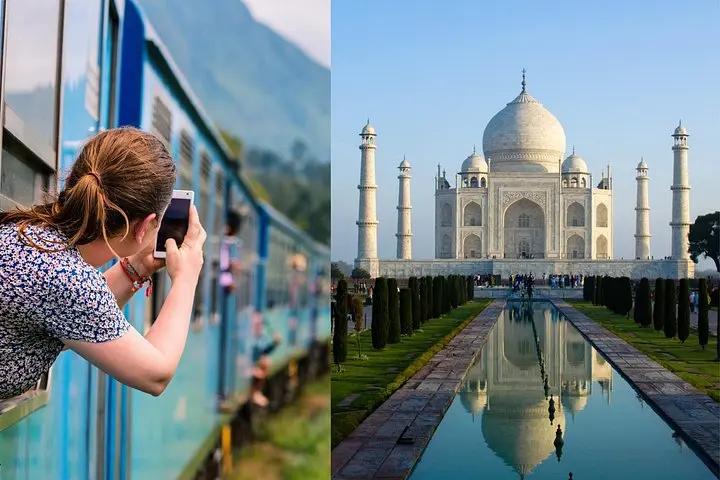

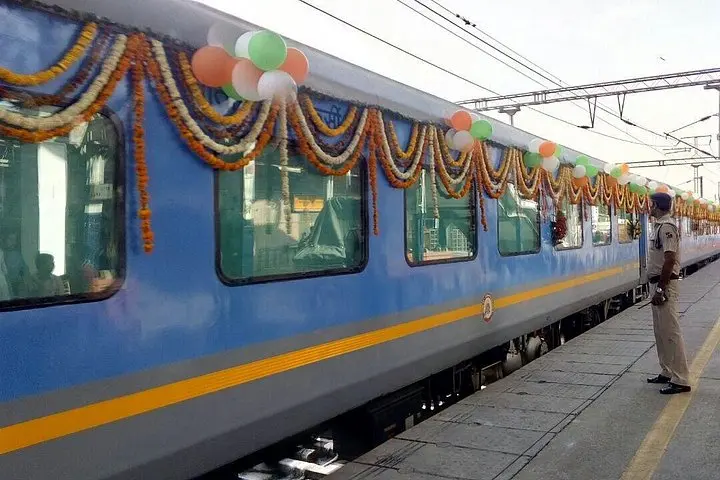

Morning light fractures through the train window as the Gatimaan Express slides out of Nizamuddin, and the plains between Delhi and Agra unfold like a lived-in map: fields, villages, and roadside temples giving way to the Taj’s marble silhouette.
Morning light fractures through the train window as the Gatimaan Express slides out of Nizamuddin, and the plains between Delhi and Agra unfold like a lived-in map: fields, villages, and roadside temples giving way to the Taj’s marble silhouette.
This three-day circuit links three different chapters of northern India’s past. Delhi’s imperial avenues and Mughal-era monuments sit atop an alluvial plain carved by the Yamuna; Agra’s Taj Mahal is a study in white marble and inlay work born of 17th-century Mughal craft; Jaipur’s pink sandstone facades and fortified palaces reflect Rajput planning and 18th-century urban design. Markets — from Chandni Chowk’s narrow alleys to Jaipur’s bazaars — are working archives of textiles, jewelry, and spice trade.
Culturally, expect layered rituals of daily life: morning prayers at Jama Masjid, vendors calling over chai, and craftsmen polishing stone in workshop courtyards. Geology and materials define the architecture: red sandstone and marble shape the light and keep interiors cool in summer.
Practically, the tour balances train travel with chauffeured transfers and short walks; hotel pickups and most breakfasts are included. Note the Taj is closed on Fridays and the Gatimaan Express does not run every day — operators often substitute Shatabdi service. Carry photo ID for ticket checks, plan early-morning visits at major sites to avoid heat and crowds, and wear comfortable closed-toe shoes for cobbled ramps and palace steps. Hydrate frequently and leave room in your schedule for slow-market detours — the real discoveries often happen between the monuments.