THE ADVENTURE COLLECTIVE® · Independent discovery and booking for outdoor travel

A focused 3-day private tour from Delhi that packs sunrise at the Taj Mahal, Agra Fort, Fatehpur Sikri, and Jaipur’s palaces into an efficient cultural loop. Perfect for travelers who want curated history with flexible transport.
A focused 3-day private tour from Delhi that packs sunrise at the Taj Mahal, Agra Fort, Fatehpur Sikri, and Jaipur’s palaces into an efficient cultural loop. Perfect for travelers who want curated history with flexible transport.
Morning traffic gives way to wide plains as the car slips out of New Delhi and the skyline eases into open fields; the first light hits the white marble of the Taj Mahal like a quiet reveal. Over three days this private itinerary moves deliberately—sunrise at the Taj, a wander through Agra Fort’s bastions, a pause at Fatehpur Sikri’s deserted courtyards, and then the ochre alleys and palaces of Jaipur.
Verified experiences and guided adventures in the surrounding area.
Operated by Abby & Scout Tours · New Delhi, Delhi
Morning traffic gives way to wide plains as the car slips out of New Delhi and the skyline eases into open fields; the first light hits the white marble of the Taj Mahal like a quiet reveal. Over three days this private itinerary moves deliberately—sunrise at the Taj, a wander through Agra Fort’s bastions, a pause at Fatehpur Sikri’s deserted courtyards, and then the ochre alleys and palaces of Jaipur.
The route threads Mughal and Rajput histories: Shah Jahan’s funerary precision at the Taj, Akbar’s imperial experiments at Agra Fort and Fatehpur Sikri, and Jaipur’s 18th-century urban planning under Jai Singh II. Geologically, the Indo-Gangetic plain underfoot is alluvial—flat, fertile land that facilitated imperial capitals—and the Yamuna River quietly shapes the Taj’s riverside setting.
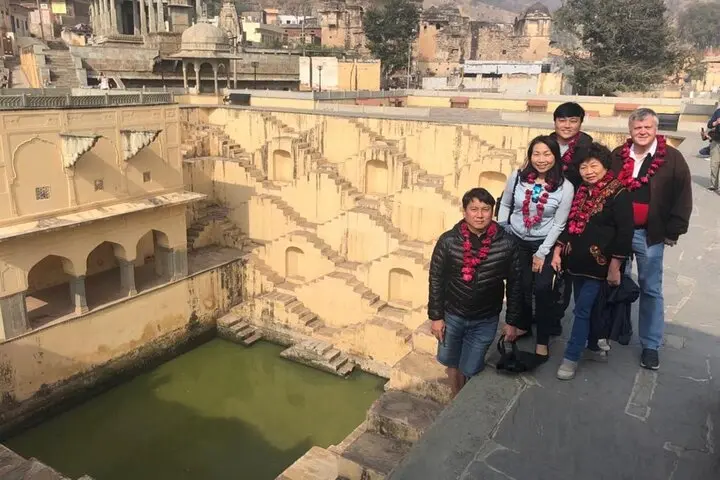
Culturally the days pulse with markets, hand-block printing, and palace façades—craftspeople still dye cloth and carve stone in traditional patterns. Local guides translate not just language but context: why a stepwell was engineered for monsoon cycles, or how palace ventilation keeps rooms cool.
Practical guidance: schedule the Taj visit outside Friday; expect three long days with multiple short walks on uneven stone and steps. Moderate fitness and comfortable footwear make the difference. Carry a refillable water bottle, sun protection, and a small daypack; wear respectful clothing for religious sites. Morning light is best for photos and smaller crowds; late afternoon in Jaipur offers softer air and cooler streets. The private car provides flexible timing, but be ready for traffic and checkpoints. This is a compact cultural sprint—efficient, sensory, and grounded in history.
Admissions are typically not included—confirm with the operator; note that the Taj Mahal is closed on Fridays.
Yes—the tour includes pickup and drop-off from central New Delhi locations; confirm your exact pickup point when booking.
Infants can join but must sit on laps; stroller access varies at monuments with many steps—plan accordingly.
Yes—this private tour allows flexibility in start time and some site choices; discuss preferences with your guide in advance.
Abby & Scout Tours operates guided outdoor trips and adventures with an emphasis on safety, stewardship, and memorable experiences.
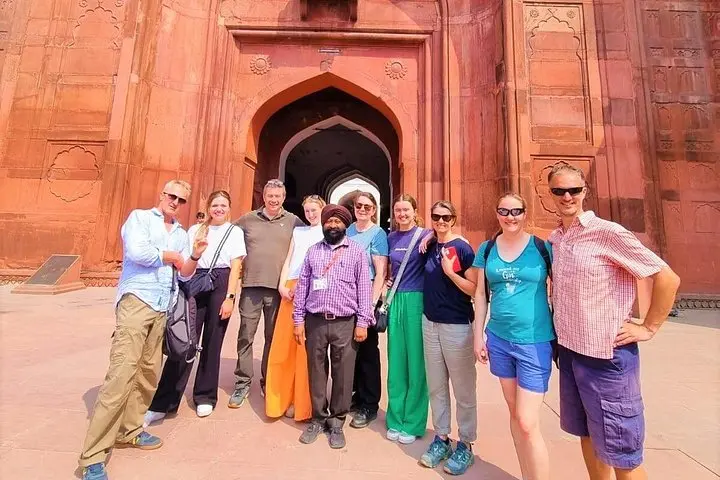
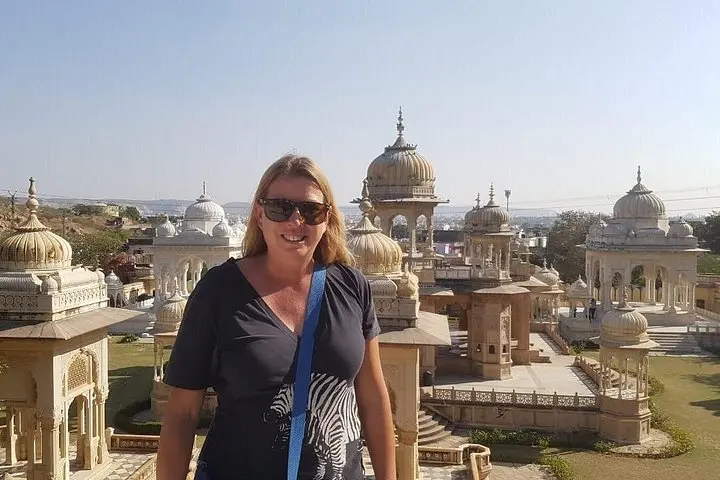
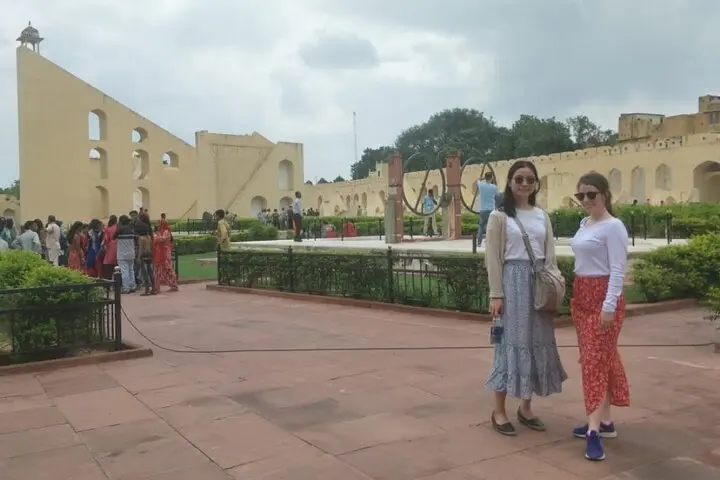
Morning traffic gives way to wide plains as the car slips out of New Delhi and the skyline eases into open fields; the first light hits the white marble of the Taj Mahal like a quiet reveal. Over three days this private itinerary moves deliberately—sunrise at the Taj, a wander through Agra Fort’s bastions, a pause at Fatehpur Sikri’s deserted courtyards, and then the ochre alleys and palaces of Jaipur.
Morning traffic gives way to wide plains as the car slips out of New Delhi and the skyline eases into open fields; the first light hits the white marble of the Taj Mahal like a quiet reveal. Over three days this private itinerary moves deliberately—sunrise at the Taj, a wander through Agra Fort’s bastions, a pause at Fatehpur Sikri’s deserted courtyards, and then the ochre alleys and palaces of Jaipur.
The route threads Mughal and Rajput histories: Shah Jahan’s funerary precision at the Taj, Akbar’s imperial experiments at Agra Fort and Fatehpur Sikri, and Jaipur’s 18th-century urban planning under Jai Singh II. Geologically, the Indo-Gangetic plain underfoot is alluvial—flat, fertile land that facilitated imperial capitals—and the Yamuna River quietly shapes the Taj’s riverside setting.
Culturally the days pulse with markets, hand-block printing, and palace façades—craftspeople still dye cloth and carve stone in traditional patterns. Local guides translate not just language but context: why a stepwell was engineered for monsoon cycles, or how palace ventilation keeps rooms cool.
Practical guidance: schedule the Taj visit outside Friday; expect three long days with multiple short walks on uneven stone and steps. Moderate fitness and comfortable footwear make the difference. Carry a refillable water bottle, sun protection, and a small daypack; wear respectful clothing for religious sites. Morning light is best for photos and smaller crowds; late afternoon in Jaipur offers softer air and cooler streets. The private car provides flexible timing, but be ready for traffic and checkpoints. This is a compact cultural sprint—efficient, sensory, and grounded in history.