THE ADVENTURE COLLECTIVE® · Independent discovery and booking for outdoor travel

A compact, private 4-day loop through Jaipur, Agra and Delhi that pairs sunrise at the Taj Mahal with focused city walks. Ideal for travelers who want historical depth, short drives and a local guide to streamline logistics.
A compact, private 4-day loop through Jaipur, Agra and Delhi that pairs sunrise at the Taj Mahal with focused city walks. Ideal for travelers who want historical depth, short drives and a local guide to streamline logistics.
You step out under the honeyed light of Jaipur and the city breathes color—pink sandstone façades, rickshaws threading alleys, and the low hum of morning prayers. Over four days the route pulls you through three distinct chapters of northern India: Jaipur’s fortified palaces, Agra’s marble monument at sunrise, and Delhi’s layered urban history.
Verified experiences and guided adventures in the surrounding area.
Operated by Jaipur City Tour Taxi · Jaipur, Rajasthan
You step out under the honeyed light of Jaipur and the city breathes color—pink sandstone façades, rickshaws threading alleys, and the low hum of morning prayers. Over four days the route pulls you through three distinct chapters of northern India: Jaipur’s fortified palaces, Agra’s marble monument at sunrise, and Delhi’s layered urban history.
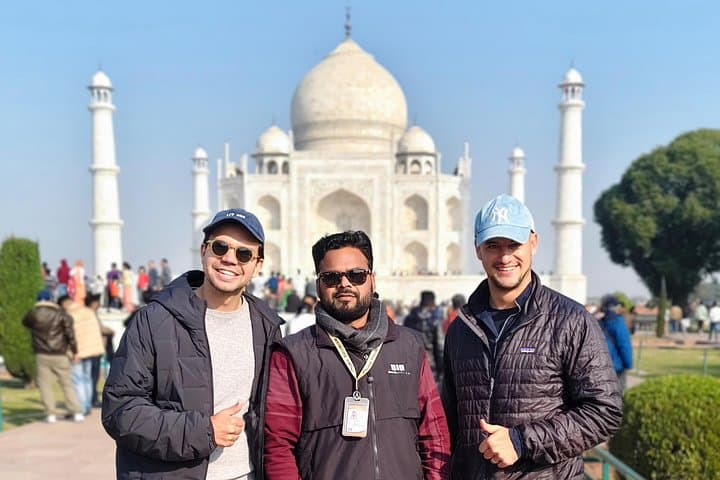
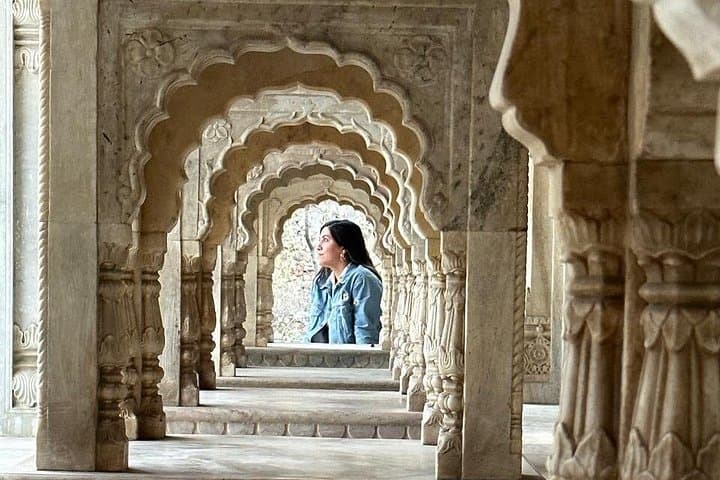
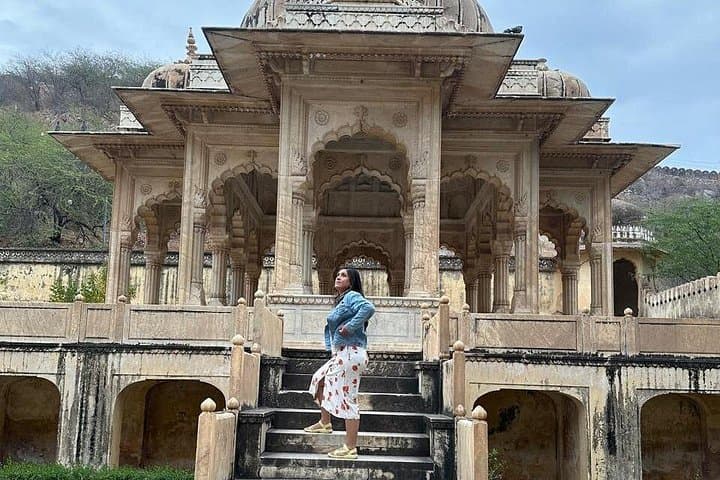
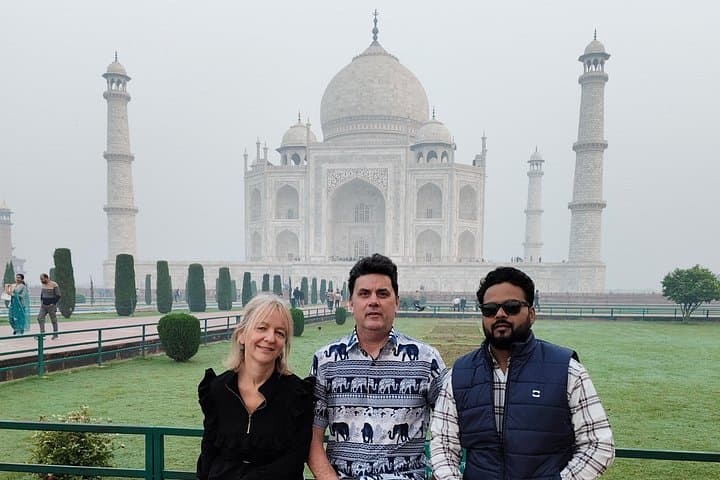
These cities sit on the Indo-Gangetic plains where centuries of Rajput and Mughal rule shaped the stone and street plan you’ll walk. Jaipur’s 18th-century City Palace and Jantar Mantar speak of Rajput court life and early astronomical ambition; Fatehpur Sikri and Agra Fort are Mughal-era power plays in red sandstone; the Taj Mahal—built by Shah Jahan in the 17th century—draws on Persian and Indian forms. Geologically the plains are alluvial; the region’s monuments sit atop firm, river-deposited soils rather than high relief, so views are urban and architectural rather than alpine.
Expect driven transfers of roughly 4 hours between Jaipur and Agra (≈240 km by road), a sunrise visit at the Taj (typically 60–120 minutes on site), and half- to full-day walks through Delhi’s monuments. Practical notes: plan early starts to avoid midday heat, carry water and sun protection, and wear shoes suited for uneven stone steps and courtyards. Guides commonly handle entry logistics and tips for optimal light for photography.
This private itinerary balances time in transit with concentrated sightseeing—ideal if you want curated context for each monument without slogging through crowded group schedules.
Yes—buy tickets in advance where possible, especially for sunrise slots; your guide can help with permits and timed entry.
This private itinerary typically covers transport and guiding; entrance fees are often extra—confirm at booking or with your operator.
Expect 2–4 hours of walking daily across sites—courtyards, ramps and stairs are common, but distances between highlights are short with vehicle transfers.
Private pickup from hotels or the airport is usually provided as part of the tour inclusions—confirm your exact pickup point when you book.
Jaipur City Tour Taxi operates guided outdoor trips and adventures with an emphasis on safety, stewardship, and memorable experiences.
You step out under the honeyed light of Jaipur and the city breathes color—pink sandstone façades, rickshaws threading alleys, and the low hum of morning prayers. Over four days the route pulls you through three distinct chapters of northern India: Jaipur’s fortified palaces, Agra’s marble monument at sunrise, and Delhi’s layered urban history.
You step out under the honeyed light of Jaipur and the city breathes color—pink sandstone façades, rickshaws threading alleys, and the low hum of morning prayers. Over four days the route pulls you through three distinct chapters of northern India: Jaipur’s fortified palaces, Agra’s marble monument at sunrise, and Delhi’s layered urban history.
These cities sit on the Indo-Gangetic plains where centuries of Rajput and Mughal rule shaped the stone and street plan you’ll walk. Jaipur’s 18th-century City Palace and Jantar Mantar speak of Rajput court life and early astronomical ambition; Fatehpur Sikri and Agra Fort are Mughal-era power plays in red sandstone; the Taj Mahal—built by Shah Jahan in the 17th century—draws on Persian and Indian forms. Geologically the plains are alluvial; the region’s monuments sit atop firm, river-deposited soils rather than high relief, so views are urban and architectural rather than alpine.
Expect driven transfers of roughly 4 hours between Jaipur and Agra (≈240 km by road), a sunrise visit at the Taj (typically 60–120 minutes on site), and half- to full-day walks through Delhi’s monuments. Practical notes: plan early starts to avoid midday heat, carry water and sun protection, and wear shoes suited for uneven stone steps and courtyards. Guides commonly handle entry logistics and tips for optimal light for photography.
This private itinerary balances time in transit with concentrated sightseeing—ideal if you want curated context for each monument without slogging through crowded group schedules.