THE ADVENTURE COLLECTIVE® · Independent discovery and booking for outdoor travel

A concentrated four‑day loop from Delhi to Jaipur that pairs sunrise views of the Taj Mahal with a Ranthambore tiger safari. Expect long but comfortable drives, early starts, guided city tours and a serious wildlife window in Ranthambore.
A concentrated four‑day loop from Delhi to Jaipur that pairs sunrise views of the Taj Mahal with a Ranthambore tiger safari. Expect long but comfortable drives, early starts, guided city tours and a serious wildlife window in Ranthambore.
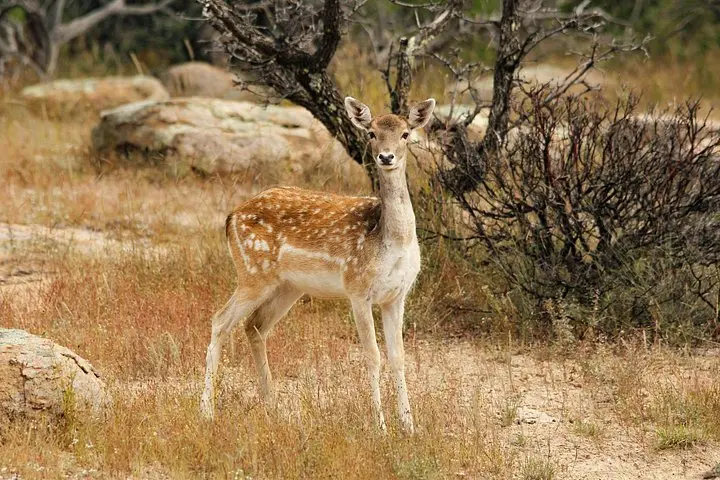
You step out before dawn, the city of Delhi a soft bruise of light, and the road unfurls toward the marble silhouette of the Taj. On this four‑day loop you move from metropolitan monuments to Mughal mausolea and into the dry deciduous forests of Ranthambore where the jungle holds a different kind of hush—broken by birdsong and the low, timbered calls of deer.
Verified experiences and guided adventures in the surrounding area.
Operated by Golden India Tour · New Delhi, Delhi
You step out before dawn, the city of Delhi a soft bruise of light, and the road unfurls toward the marble silhouette of the Taj. On this four‑day loop you move from metropolitan monuments to Mughal mausolea and into the dry deciduous forests of Ranthambore where the jungle holds a different kind of hush—broken by birdsong and the low, timbered calls of deer.
The route threads three historic capitals: New Delhi’s colonial boulevards and Qutub Minar (late 12th century), Agra’s Mughal masterpieces including the Taj Mahal and Agra Fort, and Jaipur’s Rajput palaces and Jantar Mantar observatory. Ranthambore itself is a relict of Vindhya‑Aravalli geology: rocky outcrops, seasonal lakes and the imposing Ranthambore Fort—a cultural marker that predates Mughal rule.
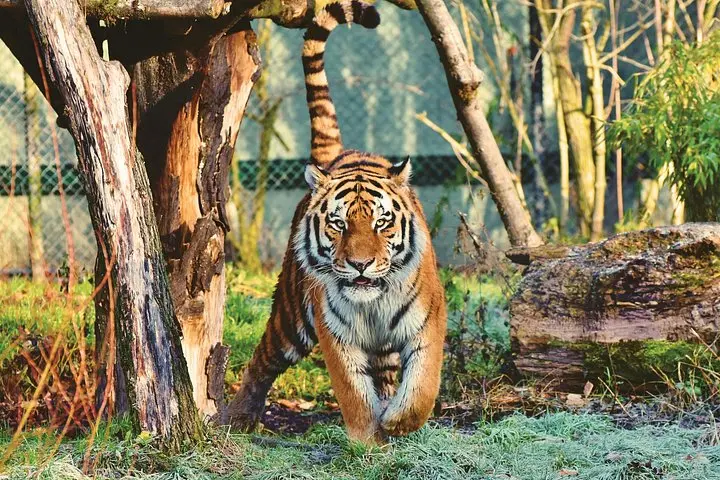
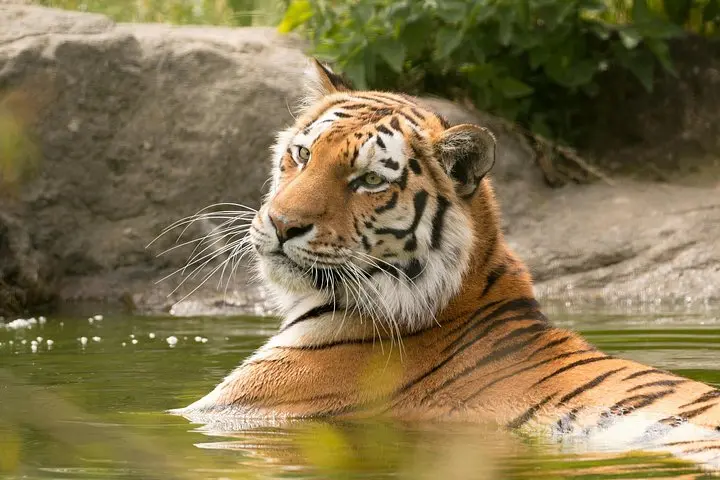
Expect early starts for sunrise viewing at the Taj and pre‑dawn safari rendezvous. Game drives in shared jeeps or canters run 2–3 hours with trained naturalists; sightings of Bengal tigers aren’t guaranteed but the park’s mix of sambar, chital and langurs creates a high probability of memorable wildlife encounters. Road transfers are long but comfortable: Delhi–Agra ~3–4 hrs (230 km), Agra–Ranthambore ~4–5 hrs (240 km), Ranthambore–Jaipur ~2.5–3.5 hrs (150 km).
Practical tips: carry layered clothing for cool mornings, a sun hat for mid‑day heat, photocopies of documents, and local currency for small purchases and tips. Respect park rules—stay inside vehicles, keep noise low and follow your naturalist’s instructions. This itinerary balances cultural depth with one focused wilderness window: it’s a compact introduction to North India’s history and wildlands, best suited to travelers who want high‑impact highlights in a short timeframe.
No—tiger sightings are never guaranteed. Ranthambore has a healthy tiger population but sightings depend on luck, season and animal movements; naturalists maximize chances with knowledge of recent activity.
Inclusions vary by booking option—some packages include three nights’ accommodation and entry fees; confirm your chosen option at booking and check what’s covered.
Typical drives: Delhi–Agra ~3–4 hours (≈230 km), Agra–Ranthambore ~4–5 hours (≈240 km), Ranthambore–Jaipur ~2.5–3.5 hours (≈150 km); all are on sealed roads and usually in air‑conditioned vehicles.
Yes—operators commonly offer customizable options for meals and pickup/drop‑off points, and note that transportation and some aspects are wheelchair accessible; advise requesting specifics at time of booking.
Golden India Tour operates guided outdoor trips and adventures with an emphasis on safety, stewardship, and memorable experiences.

You step out before dawn, the city of Delhi a soft bruise of light, and the road unfurls toward the marble silhouette of the Taj. On this four‑day loop you move from metropolitan monuments to Mughal mausolea and into the dry deciduous forests of Ranthambore where the jungle holds a different kind of hush—broken by birdsong and the low, timbered calls of deer.
You step out before dawn, the city of Delhi a soft bruise of light, and the road unfurls toward the marble silhouette of the Taj. On this four‑day loop you move from metropolitan monuments to Mughal mausolea and into the dry deciduous forests of Ranthambore where the jungle holds a different kind of hush—broken by birdsong and the low, timbered calls of deer.
The route threads three historic capitals: New Delhi’s colonial boulevards and Qutub Minar (late 12th century), Agra’s Mughal masterpieces including the Taj Mahal and Agra Fort, and Jaipur’s Rajput palaces and Jantar Mantar observatory. Ranthambore itself is a relict of Vindhya‑Aravalli geology: rocky outcrops, seasonal lakes and the imposing Ranthambore Fort—a cultural marker that predates Mughal rule.
Expect early starts for sunrise viewing at the Taj and pre‑dawn safari rendezvous. Game drives in shared jeeps or canters run 2–3 hours with trained naturalists; sightings of Bengal tigers aren’t guaranteed but the park’s mix of sambar, chital and langurs creates a high probability of memorable wildlife encounters. Road transfers are long but comfortable: Delhi–Agra ~3–4 hrs (230 km), Agra–Ranthambore ~4–5 hrs (240 km), Ranthambore–Jaipur ~2.5–3.5 hrs (150 km).
Practical tips: carry layered clothing for cool mornings, a sun hat for mid‑day heat, photocopies of documents, and local currency for small purchases and tips. Respect park rules—stay inside vehicles, keep noise low and follow your naturalist’s instructions. This itinerary balances cultural depth with one focused wilderness window: it’s a compact introduction to North India’s history and wildlands, best suited to travelers who want high‑impact highlights in a short timeframe.