THE ADVENTURE COLLECTIVE® · Independent discovery and booking for outdoor travel

Five days across Delhi, Agra and Jaipur condense Mughal tombs, Rajput palaces and lively bazaars into a compact cultural circuit. This guide outlines what to expect, how to prepare, and the practical tips that make the Golden Triangle travelable and rewarding.
Five days across Delhi, Agra and Jaipur condense Mughal tombs, Rajput palaces and lively bazaars into a compact cultural circuit. This guide outlines what to expect, how to prepare, and the practical tips that make the Golden Triangle travelable and rewarding.
Morning in Delhi arrives with traffic and temple bells, rickshaws slicing through light like silver fish. The first day drops travelers into a city of layered histories—the Mughal gardens and red sandstone ramparts sit beside boulevards from the British Raj—setting the tone for a tour that alternates monuments, markets and long stretches of highway.
Verified experiences and guided adventures in the surrounding area.
Operated by Arush Tours · New Delhi, Delhi
Morning in Delhi arrives with traffic and temple bells, rickshaws slicing through light like silver fish. The first day drops travelers into a city of layered histories—the Mughal gardens and red sandstone ramparts sit beside boulevards from the British Raj—setting the tone for a tour that alternates monuments, markets and long stretches of highway.
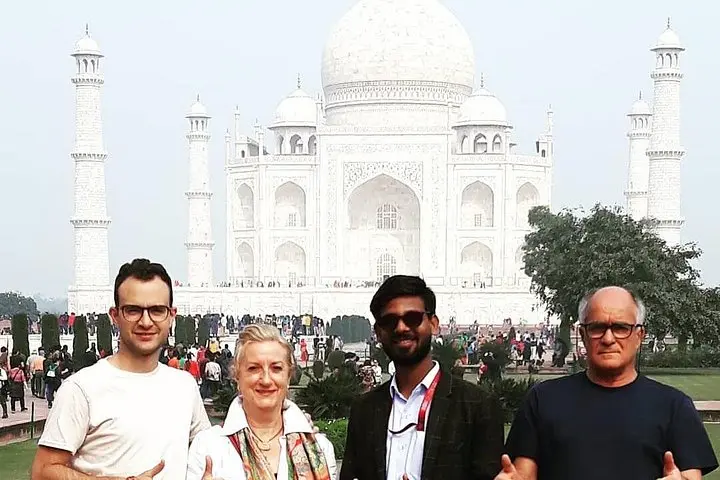
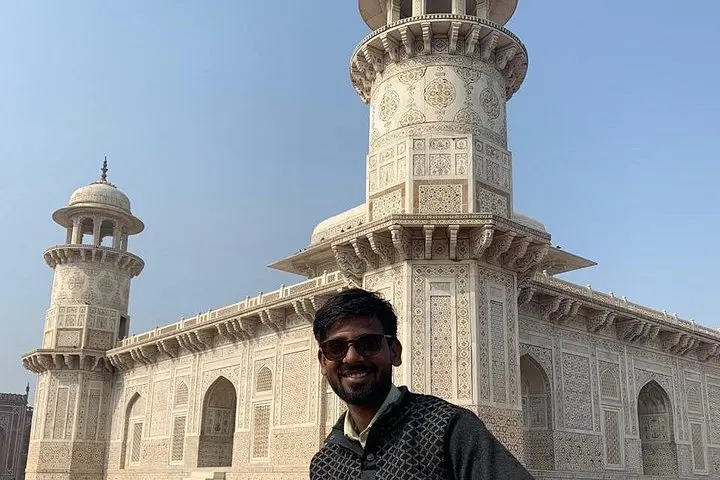
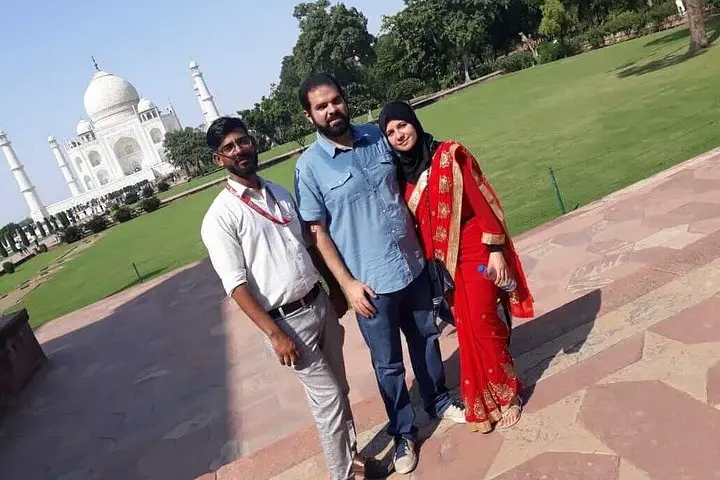
The itinerary follows a clear historic arc: Mughal-era Agra with the Taj Mahal and Agra Fort, the abandoned imperial city of Fatehpur Sikri, and Jaipur’s hilltop Amber Fort and royal observatories. Geologically, the route tracks the Yamuna’s floodplain and the drier, rolling alluvial plains toward Rajasthan—roads cross riverine terraces where silt has fed settlements for centuries. Culturally, expect a shifting palette: Delhi’s cosmopolitan bazaars, Agra’s carving and marble inlay traditions, and Jaipur’s block prints, bright textiles and Rajput architectural flourishes.
Practical notes: mornings are best for monuments—early light softens white marble at the Taj and thins crowds. Most walking is on paved courtyards and market lanes; comfortable, broken-in shoes and sun protection matter more than technical gear. Dress modestly at religious sites; women should carry a scarf. Temperatures swing sharply by season—carry water and pace museum visits during mid-day heat.
Logistics are straightforward: private transport links cities and hotels are typically included in packages; admissions vary by site and often require tickets bought onsite or online. With sensible pacing and local guides, the Golden Triangle distills northern India’s history and living crafts into five compact days of accessible, intense travel.
Most packages include morning pickup from central Delhi hotels or airports—confirm your exact pickup point at booking.
Admissions vary by tour; many packages exclude entry fees, so budget separately or ask the operator to prebook tickets for you.
The Taj Mahal is closed on Fridays for prayers; plan your schedule to visit on another day or confirm timing with the guide.
Standard policies often allow a full refund if you cancel at least 24 hours before departure; check your booking terms for specifics.
Arush Tours operates guided outdoor trips and adventures with an emphasis on safety, stewardship, and memorable experiences.

Morning in Delhi arrives with traffic and temple bells, rickshaws slicing through light like silver fish. The first day drops travelers into a city of layered histories—the Mughal gardens and red sandstone ramparts sit beside boulevards from the British Raj—setting the tone for a tour that alternates monuments, markets and long stretches of highway.
Morning in Delhi arrives with traffic and temple bells, rickshaws slicing through light like silver fish. The first day drops travelers into a city of layered histories—the Mughal gardens and red sandstone ramparts sit beside boulevards from the British Raj—setting the tone for a tour that alternates monuments, markets and long stretches of highway.
The itinerary follows a clear historic arc: Mughal-era Agra with the Taj Mahal and Agra Fort, the abandoned imperial city of Fatehpur Sikri, and Jaipur’s hilltop Amber Fort and royal observatories. Geologically, the route tracks the Yamuna’s floodplain and the drier, rolling alluvial plains toward Rajasthan—roads cross riverine terraces where silt has fed settlements for centuries. Culturally, expect a shifting palette: Delhi’s cosmopolitan bazaars, Agra’s carving and marble inlay traditions, and Jaipur’s block prints, bright textiles and Rajput architectural flourishes.
Practical notes: mornings are best for monuments—early light softens white marble at the Taj and thins crowds. Most walking is on paved courtyards and market lanes; comfortable, broken-in shoes and sun protection matter more than technical gear. Dress modestly at religious sites; women should carry a scarf. Temperatures swing sharply by season—carry water and pace museum visits during mid-day heat.
Logistics are straightforward: private transport links cities and hotels are typically included in packages; admissions vary by site and often require tickets bought onsite or online. With sensible pacing and local guides, the Golden Triangle distills northern India’s history and living crafts into five compact days of accessible, intense travel.