THE ADVENTURE COLLECTIVE® · Independent discovery and booking for outdoor travel

A practical five‑day loop through Delhi, Agra and Jaipur that pairs major Mughal and Rajput monuments with market visits and local insights. Read on for what to expect, how to plan your days, and gear tips to stay comfortable on this classic India itinerary.
A practical five‑day loop through Delhi, Agra and Jaipur that pairs major Mughal and Rajput monuments with market visits and local insights. Read on for what to expect, how to plan your days, and gear tips to stay comfortable on this classic India itinerary.
You step from an air‑conditioned vehicle into a morning in New Delhi: traffic hums like a living map, saffron vendors call from narrow lanes and the stone silhouettes of Mughal domes catch the sun. Over five days the route tightens into a sequence of architectural high notes—imperial gates, white marble symmetry, and hilltop forts—each place asking for slow, deliberate attention.
Verified experiences and guided adventures in the surrounding area.
Operated by Rajasthan Car Hire · New Delhi, Delhi
You step from an air‑conditioned vehicle into a morning in New Delhi: traffic hums like a living map, saffron vendors call from narrow lanes and the stone silhouettes of Mughal domes catch the sun. Over five days the route tightens into a sequence of architectural high notes—imperial gates, white marble symmetry, and hilltop forts—each place asking for slow, deliberate attention.
The Golden Triangle links three cities that shaped early modern India. Delhi's layered past spans Sultanate, Mughal and colonial eras; Agra sits on the Yamuna with Mughal gardens and the Taj Mahal’s marble whisper; Jaipur, born from desert trade routes and Rajput power, displays fortified palaces and astronomical instruments. Geologically the region is a plain edged by the Aravalli Hills to the west; the landscape shifts from riverine green near Agra to pink sandstone ramparts in Jaipur.
Culturally, expect bazaars that trade textiles, spices and everyday crafts; food that ranges from street chaat in Chandni Chowk to refined Rajasthani thalis in palace restaurants. Local guides will point out architectural details—calligraphy panels, jali screens, and water-management features in stepwells—while explaining historical context.
Practical guidance: travel early to avoid midday heat, carry a reusable water bottle and compact daypack, and wear sturdy walking shoes for mixed surfaces from marble plazas to cobbled fort paths. Museums and major monuments have security checks and modest dress requirements; plan for light traffic on road transfers and factor in hotel check‑in times. With a private guide and vehicle, the itinerary is efficient—bring patience, a camera, and an appetite for long days of culturally dense exploration.
Most operator itineraries list admission as not included—confirm with your booking whether monument fees are covered or payable on arrival.
Private tours in this region commonly provide English‑speaking guides; verify language preferences at booking time.
The tour uses an air‑conditioned vehicle with planned transfers; journeys between Delhi‑Agra and Agra‑Jaipur are typically 3–4 hours by road depending on traffic.
Yes—pace is moderate with vehicle transfers and short walks; notify operators of mobility needs to arrange accessible options or rest breaks.
Rajasthan Car Hire operates guided outdoor trips and adventures with an emphasis on safety, stewardship, and memorable experiences.


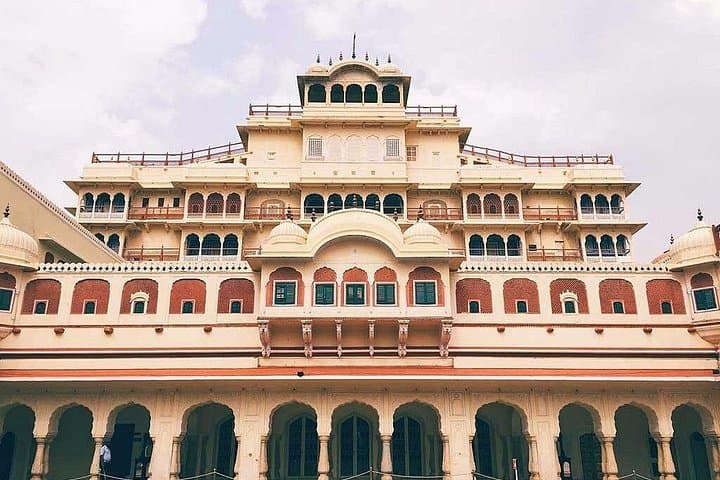
You step from an air‑conditioned vehicle into a morning in New Delhi: traffic hums like a living map, saffron vendors call from narrow lanes and the stone silhouettes of Mughal domes catch the sun. Over five days the route tightens into a sequence of architectural high notes—imperial gates, white marble symmetry, and hilltop forts—each place asking for slow, deliberate attention.
You step from an air‑conditioned vehicle into a morning in New Delhi: traffic hums like a living map, saffron vendors call from narrow lanes and the stone silhouettes of Mughal domes catch the sun. Over five days the route tightens into a sequence of architectural high notes—imperial gates, white marble symmetry, and hilltop forts—each place asking for slow, deliberate attention.
The Golden Triangle links three cities that shaped early modern India. Delhi's layered past spans Sultanate, Mughal and colonial eras; Agra sits on the Yamuna with Mughal gardens and the Taj Mahal’s marble whisper; Jaipur, born from desert trade routes and Rajput power, displays fortified palaces and astronomical instruments. Geologically the region is a plain edged by the Aravalli Hills to the west; the landscape shifts from riverine green near Agra to pink sandstone ramparts in Jaipur.
Culturally, expect bazaars that trade textiles, spices and everyday crafts; food that ranges from street chaat in Chandni Chowk to refined Rajasthani thalis in palace restaurants. Local guides will point out architectural details—calligraphy panels, jali screens, and water-management features in stepwells—while explaining historical context.
Practical guidance: travel early to avoid midday heat, carry a reusable water bottle and compact daypack, and wear sturdy walking shoes for mixed surfaces from marble plazas to cobbled fort paths. Museums and major monuments have security checks and modest dress requirements; plan for light traffic on road transfers and factor in hotel check‑in times. With a private guide and vehicle, the itinerary is efficient—bring patience, a camera, and an appetite for long days of culturally dense exploration.