THE ADVENTURE COLLECTIVE® · Independent discovery and booking for outdoor travel

Move from political avenues in Delhi to the sunrise hush of the Taj Mahal and the regal streets of Jaipur on this five-day Golden Triangle route. Expect early mornings, comfortable drives, and guided visits to iconic Mughal and Rajput sites.
Move from political avenues in Delhi to the sunrise hush of the Taj Mahal and the regal streets of Jaipur on this five-day Golden Triangle route. Expect early mornings, comfortable drives, and guided visits to iconic Mughal and Rajput sites.
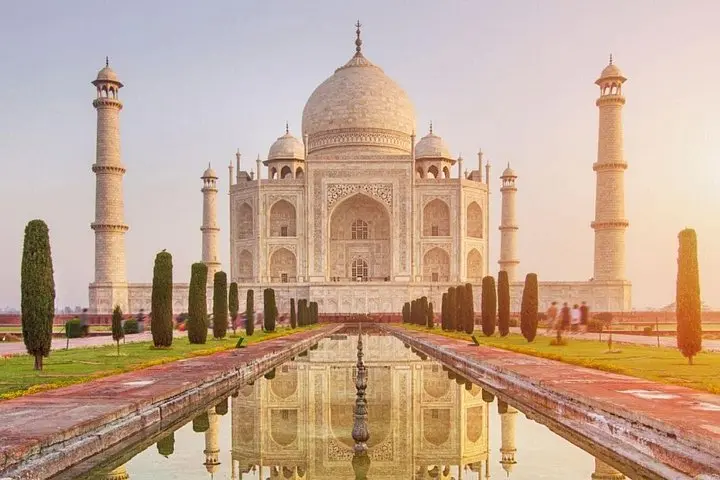
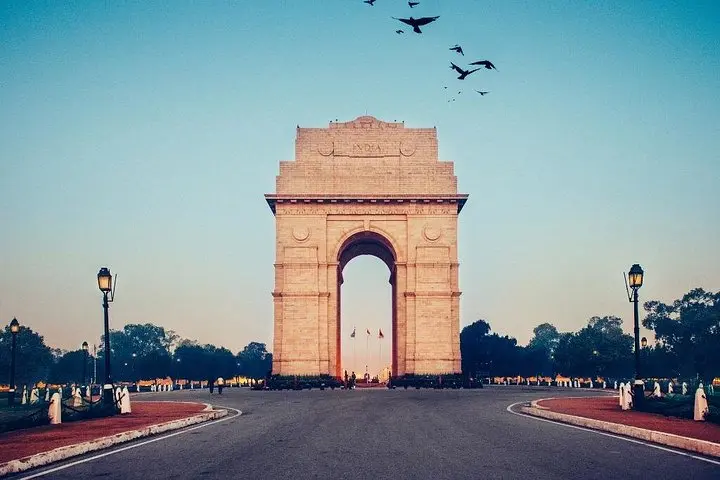
A pale-pink dawn lifts off the Yamuna as you approach the Taj Mahal by rickshaw, marble cooling under the early light. The route through Old Delhi’s narrow lanes—Rickshaw calls, spice stalls—gives way to wide Mughal courtyards and the hush of secret gardens. Over five days you move between political avenues, imperial forts and planned city streets that feel engineered for procession and spectacle.
Verified experiences and guided adventures in the surrounding area.
Operated by Julie International Tours · Agra, Uttar Pradesh
A pale-pink dawn lifts off the Yamuna as you approach the Taj Mahal by rickshaw, marble cooling under the early light. The route through Old Delhi’s narrow lanes—Rickshaw calls, spice stalls—gives way to wide Mughal courtyards and the hush of secret gardens. Over five days you move between political avenues, imperial forts and planned city streets that feel engineered for procession and spectacle.
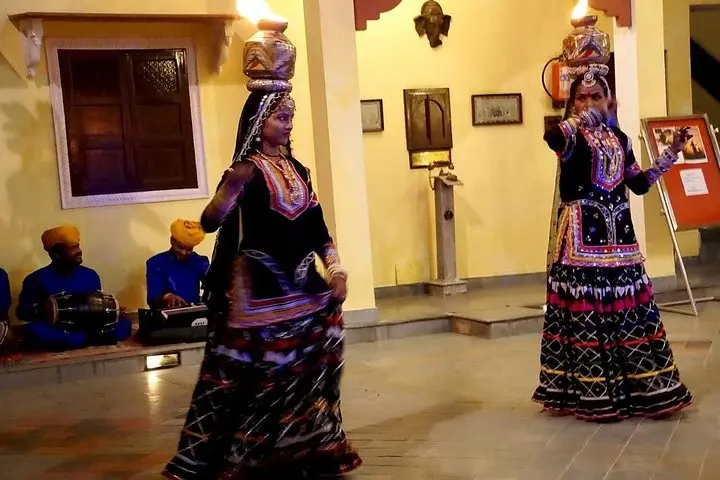
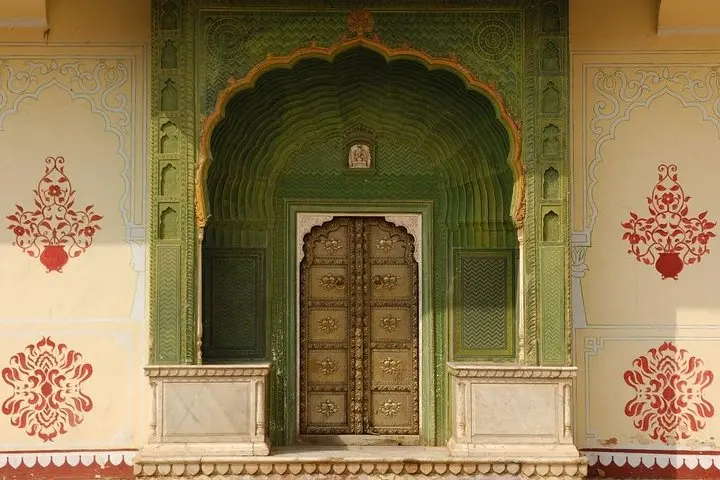
This circuit stitches together three eras: Mughal monumentalism in Agra and Fatehpur Sikri, colonial-era processional planning in New Delhi, and Rajput princely pageantry in Jaipur. Geologically the plains of north India are alluvial—flat ground that made transport and fort-building strategic for empires; the Yamuna’s slow pull shaped Agra’s riverside palaces. Culturally, each stop rewards slow attention: markets in Chandni Chowk, the astronomical instruments at Jantar Mantar, and the layered stories within Amber Fort.
Practical guidance: expect early starts—Taj Mahal sunrise is the signature moment—and long but comfortable drives in an air-conditioned vehicle. Bring sun protection and comfortable walking shoes; many monuments have steep steps and uneven stone floors. Ticketing for major sites is managed locally; a licensed guide will add historical context and help navigate lines. Hydrate often—bottled water is usually included on this itinerary—and plan clothing that covers shoulders and knees when entering religious or royal interiors.
Pace your days to allow market time and brief rests in between monuments. With good planning, the Golden Triangle delivers concentrated history, readable urban design, and a clear sense of why this stretch of north India shaped so many stories.
Entrance fees are usually not included in basic tour rates; confirm with the operator—guides often help purchase tickets on arrival.
Some transport and public spaces are accessible, but many historic sites have steps and uneven surfaces; check accessibility for specific monuments in advance.
Tipping is customary in India; small amounts for guides and drivers are appreciated—budget a modest daily amount depending on service.
Daily breakfasts are included and bottled water is commonly provided during transfers; avoid tap water and choose cooked foods or bottled beverages when unsure.
Julie International Tours operates guided outdoor trips and adventures with an emphasis on safety, stewardship, and memorable experiences.
A pale-pink dawn lifts off the Yamuna as you approach the Taj Mahal by rickshaw, marble cooling under the early light. The route through Old Delhi’s narrow lanes—Rickshaw calls, spice stalls—gives way to wide Mughal courtyards and the hush of secret gardens. Over five days you move between political avenues, imperial forts and planned city streets that feel engineered for procession and spectacle.
A pale-pink dawn lifts off the Yamuna as you approach the Taj Mahal by rickshaw, marble cooling under the early light. The route through Old Delhi’s narrow lanes—Rickshaw calls, spice stalls—gives way to wide Mughal courtyards and the hush of secret gardens. Over five days you move between political avenues, imperial forts and planned city streets that feel engineered for procession and spectacle.
This circuit stitches together three eras: Mughal monumentalism in Agra and Fatehpur Sikri, colonial-era processional planning in New Delhi, and Rajput princely pageantry in Jaipur. Geologically the plains of north India are alluvial—flat ground that made transport and fort-building strategic for empires; the Yamuna’s slow pull shaped Agra’s riverside palaces. Culturally, each stop rewards slow attention: markets in Chandni Chowk, the astronomical instruments at Jantar Mantar, and the layered stories within Amber Fort.
Practical guidance: expect early starts—Taj Mahal sunrise is the signature moment—and long but comfortable drives in an air-conditioned vehicle. Bring sun protection and comfortable walking shoes; many monuments have steep steps and uneven stone floors. Ticketing for major sites is managed locally; a licensed guide will add historical context and help navigate lines. Hydrate often—bottled water is usually included on this itinerary—and plan clothing that covers shoulders and knees when entering religious or royal interiors.
Pace your days to allow market time and brief rests in between monuments. With good planning, the Golden Triangle delivers concentrated history, readable urban design, and a clear sense of why this stretch of north India shaped so many stories.