THE ADVENTURE COLLECTIVE® · Independent discovery and booking for outdoor travel

A compact five-day loop through Delhi, Agra and Jaipur that pairs Mughal monuments with Rajput forts. Expect guided visits, private transfers, light daily walks and clear logistics—ideal for first-time visitors seeking cultural depth with practical convenience.
A compact five-day loop through Delhi, Agra and Jaipur that pairs Mughal monuments with Rajput forts. Expect guided visits, private transfers, light daily walks and clear logistics—ideal for first-time visitors seeking cultural depth with practical convenience.
Morning light hits the white marble façade of the Taj Mahal while the city around it stirs—this is where the Golden Triangle begins and where history meets traveler's rhythm. Over five days you move from the car-choked lanes of Old Delhi to the Mughal symmetry of Agra and the fortified pink streets of Jaipur, each place offering a different pace and palette.
Verified experiences and guided adventures in the surrounding area.
Operated by Seven Wonder Tours (Taj Day Tours) · New Delhi, Delhi
Morning light hits the white marble façade of the Taj Mahal while the city around it stirs—this is where the Golden Triangle begins and where history meets traveler's rhythm. Over five days you move from the car-choked lanes of Old Delhi to the Mughal symmetry of Agra and the fortified pink streets of Jaipur, each place offering a different pace and palette.
Delhi’s layered history — from Mughal mosques to colonial boulevards — reads in stone: Qutub Minar’s red sandstone, Humayun’s tomb, and the bustle of Chandni Chowk. Agra concentrates Mughal ambition; the Taj and Agra Fort reveal 17th-century engineering and a landscape shaped by the Yamuna. Jaipur brings Rajput architecture: Amber Fort’s ramparts, Jantar Mantar’s observatory and intimate bazaars where crafts and dye work persist.
Practical guidance keeps the tour smooth. Expect 30–90 minute walking stints at major sites, short drives between stops, and busy public spaces. Mornings and late afternoons are best for monument visits to avoid heat and crowds. Carry photocopies of documents and an adapter; entrance fees, a private English-speaking guide, transfers, and breakfast are included in typical packages. Elephant or horse-carriage options at Amber and the Taj are offered in some itineraries—check current local regulations and animal welfare practices.
This trip is ideal for travelers who want concentrated cultural immersion with light daily walking, strong photo opportunities, and structured logistics. Time your visit outside peak summer heat, plan for security lines at major sites, and allocate at least one evening to sample street food with a guide who can point out safe choices.
Most organized Golden Triangle packages include listed entrance fees; confirm for optional extras like elephant rides or private museum tours.
Many parts of the itinerary can be reached by vehicle, but historic sites often have steps and uneven surfaces; check specific accessibility details with the operator.
Expect light to moderate walking: short city strolls and 30–90 minute monument visits with steps at forts and mausoleums.
October–March offers cooler, comfortable weather for sightseeing; summers (April–June) are hot and humid, especially in Rajasthan and Agra.
Seven Wonder Tours (Taj Day Tours) operates guided outdoor trips and adventures with an emphasis on safety, stewardship, and memorable experiences.
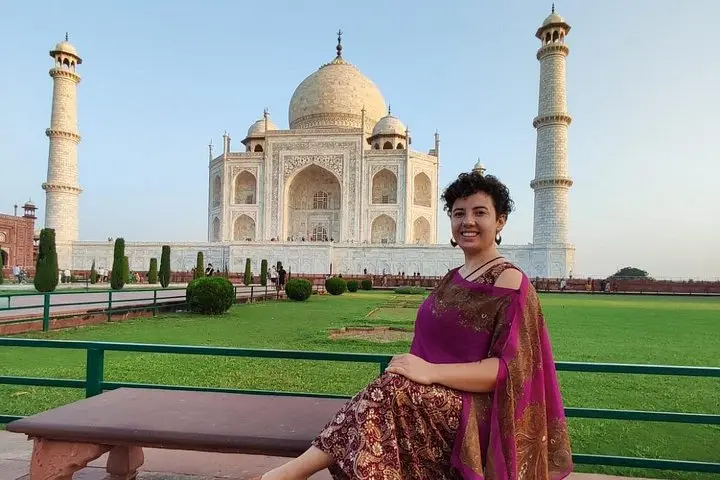
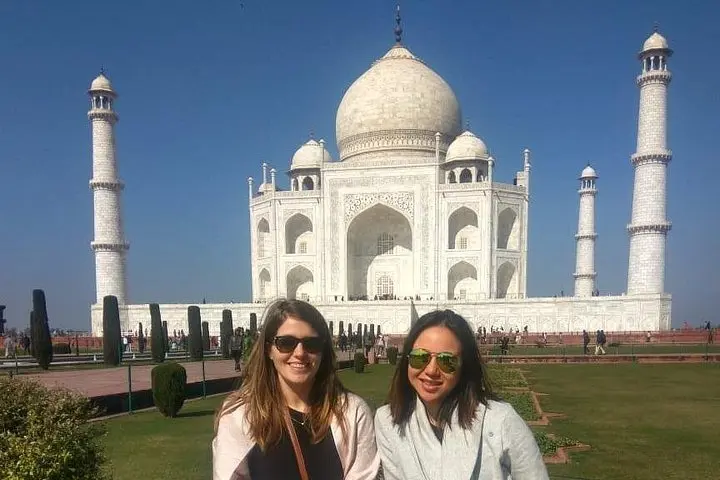
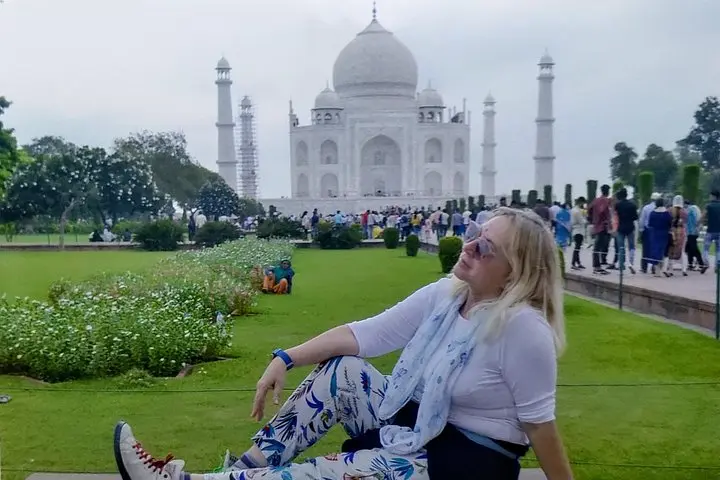
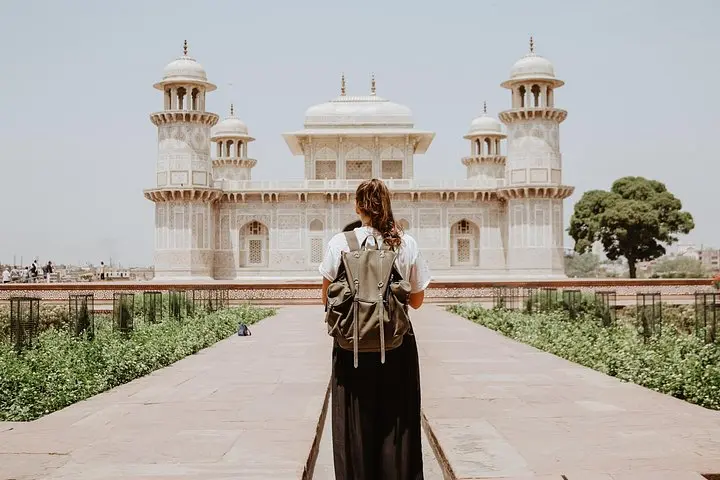
Morning light hits the white marble façade of the Taj Mahal while the city around it stirs—this is where the Golden Triangle begins and where history meets traveler's rhythm. Over five days you move from the car-choked lanes of Old Delhi to the Mughal symmetry of Agra and the fortified pink streets of Jaipur, each place offering a different pace and palette.
Morning light hits the white marble façade of the Taj Mahal while the city around it stirs—this is where the Golden Triangle begins and where history meets traveler's rhythm. Over five days you move from the car-choked lanes of Old Delhi to the Mughal symmetry of Agra and the fortified pink streets of Jaipur, each place offering a different pace and palette.
Delhi’s layered history — from Mughal mosques to colonial boulevards — reads in stone: Qutub Minar’s red sandstone, Humayun’s tomb, and the bustle of Chandni Chowk. Agra concentrates Mughal ambition; the Taj and Agra Fort reveal 17th-century engineering and a landscape shaped by the Yamuna. Jaipur brings Rajput architecture: Amber Fort’s ramparts, Jantar Mantar’s observatory and intimate bazaars where crafts and dye work persist.
Practical guidance keeps the tour smooth. Expect 30–90 minute walking stints at major sites, short drives between stops, and busy public spaces. Mornings and late afternoons are best for monument visits to avoid heat and crowds. Carry photocopies of documents and an adapter; entrance fees, a private English-speaking guide, transfers, and breakfast are included in typical packages. Elephant or horse-carriage options at Amber and the Taj are offered in some itineraries—check current local regulations and animal welfare practices.
This trip is ideal for travelers who want concentrated cultural immersion with light daily walking, strong photo opportunities, and structured logistics. Time your visit outside peak summer heat, plan for security lines at major sites, and allocate at least one evening to sample street food with a guide who can point out safe choices.