THE ADVENTURE COLLECTIVE® · Independent discovery and booking for outdoor travel

A compact five‑day loop from Delhi to Agra and Jaipur that covers the Taj Mahal, Agra Fort, Amer Fort and Jaipur’s city highlights. Ideal for first‑time visitors who want structured transport, guided insight, and early sunrise access to major sites.
A compact five‑day loop from Delhi to Agra and Jaipur that covers the Taj Mahal, Agra Fort, Amer Fort and Jaipur’s city highlights. Ideal for first‑time visitors who want structured transport, guided insight, and early sunrise access to major sites.
You step out of the air‑conditioned van into the creak and color of an Indian morning—sellers arranging brass lamps, rickshaws threading narrow lanes, and the distant call to prayer folding into the city’s rhythm.
Verified experiences and guided adventures in the surrounding area.
Operated by Trek India Tours · New Delhi, Delhi
You step out of the air‑conditioned van into the creak and color of an Indian morning—sellers arranging brass lamps, rickshaws threading narrow lanes, and the distant call to prayer folding into the city’s rhythm.
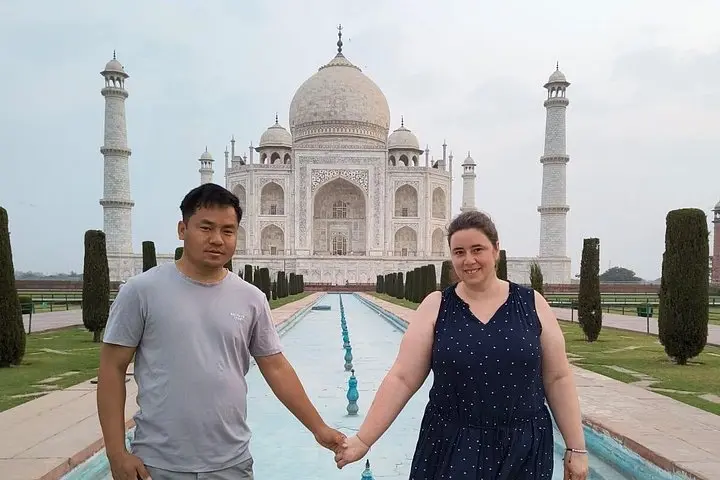
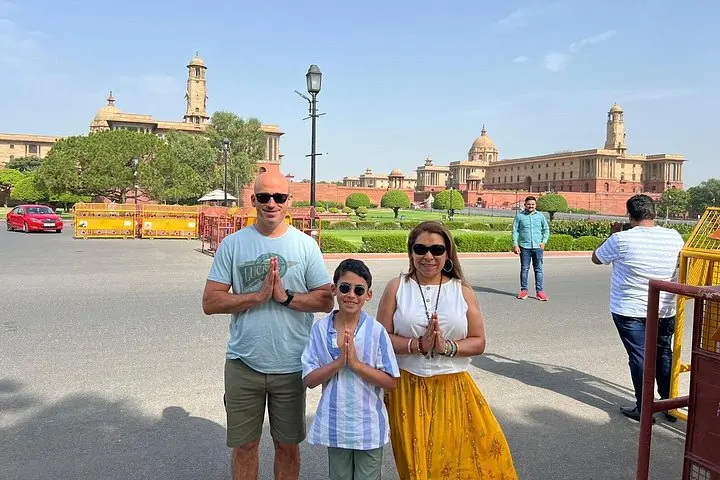
This five‑day Golden Triangle tour threads three cities that shaped Mughal and Rajput history. In Delhi, Lutyens’ stone avenues and the 73‑m Qutub Minar reveal imperial ambition; Agra presents the white-marble perfection of the Taj Mahal and red sandstone defenses at Agra Fort; Jaipur’s hilltop Amer Fort and Hawa Mahal show Rajasthan’s palace craft and astronomical legacy at Jantar Mantar.
Geology and urban fabric are visible in stone: Delhi’s sandstone monuments, the Yamuna’s floodplain that helped site Agra, and Jaipur’s pink sandstone facades, repainted in the 19th century to welcome a royal visit. Cultural life is immediate—markets echo with barter, local cuisine ranges from kebabs to sweet petha, and artisans still carve and inlay using centuries‑old techniques.
Practical guidance: expect long driving legs (Delhi–Agra ~3 hrs; Agra–Jaipur 4–5 hrs), early starts for Taj Mahal sunrise to avoid crowds, and heat in summer. Carry a passport for monument checkpoints, wear modest clothes for temples, and use a daypack with water and sunscreen. Accommodation varies by booking option (3–5 star); transport is AC and private, easing logistics so you can focus on timing visits and local experiences.
Pace your days—sightseeing here rewards attention to detail: read the plaques, look for inlay work, and listen to your guide’s context to connect the architecture to the lives that built it.
Yes—it's designed as an introduction: private transport, English‑speaking guide, and a set itinerary covering must‑see monuments across three cities.
The tour description includes 4 breakfasts and accommodations (3 or 5 star depending on option); check the booking link for which monument fees are covered or payable on site.
October–March offers cooler temperatures and clearer skies; winter mornings can be chilly, while summer months (April–June) are hot and humid.
A valid passport and appropriate Indian visa are required—carry originals for hotel check‑in and some monument entries.
Trek India Tours operates guided outdoor trips and adventures with an emphasis on safety, stewardship, and memorable experiences.


You step out of the air‑conditioned van into the creak and color of an Indian morning—sellers arranging brass lamps, rickshaws threading narrow lanes, and the distant call to prayer folding into the city’s rhythm.
You step out of the air‑conditioned van into the creak and color of an Indian morning—sellers arranging brass lamps, rickshaws threading narrow lanes, and the distant call to prayer folding into the city’s rhythm.
This five‑day Golden Triangle tour threads three cities that shaped Mughal and Rajput history. In Delhi, Lutyens’ stone avenues and the 73‑m Qutub Minar reveal imperial ambition; Agra presents the white-marble perfection of the Taj Mahal and red sandstone defenses at Agra Fort; Jaipur’s hilltop Amer Fort and Hawa Mahal show Rajasthan’s palace craft and astronomical legacy at Jantar Mantar.
Geology and urban fabric are visible in stone: Delhi’s sandstone monuments, the Yamuna’s floodplain that helped site Agra, and Jaipur’s pink sandstone facades, repainted in the 19th century to welcome a royal visit. Cultural life is immediate—markets echo with barter, local cuisine ranges from kebabs to sweet petha, and artisans still carve and inlay using centuries‑old techniques.
Practical guidance: expect long driving legs (Delhi–Agra ~3 hrs; Agra–Jaipur 4–5 hrs), early starts for Taj Mahal sunrise to avoid crowds, and heat in summer. Carry a passport for monument checkpoints, wear modest clothes for temples, and use a daypack with water and sunscreen. Accommodation varies by booking option (3–5 star); transport is AC and private, easing logistics so you can focus on timing visits and local experiences.
Pace your days—sightseeing here rewards attention to detail: read the plaques, look for inlay work, and listen to your guide’s context to connect the architecture to the lives that built it.