THE ADVENTURE COLLECTIVE® · Independent discovery and booking for outdoor travel

Ride India’s fastest train and move through the heart of the Mughal and Rajput worlds on a compact 5-day Golden Triangle loop. From Delhi’s monuments to the Taj at sunrise and Jaipur’s hilltop forts, this itinerary blends speedy travel with immersive city touring.
Ride India’s fastest train and move through the heart of the Mughal and Rajput worlds on a compact 5-day Golden Triangle loop. From Delhi’s monuments to the Taj at sunrise and Jaipur’s hilltop forts, this itinerary blends speedy travel with immersive city touring.
The morning platform hums as the Gatimaan Express eases out of Hazrat Nizamuddin — air-conditioned chairs, steaming chai carts and the countryside sliding by like an unfolding map. In five days the trip pushes through the rhythms of North India: Delhi’s layered streets and monuments, the Taj Mahal’s marble hush at sunrise, the red sandstone sweep of Agra Fort, and Jaipur’s hilltop forts and honeycombed palace façades.
Verified experiences and guided adventures in the surrounding area.
Operated by Vivek Handa, Tour Guide Delhi-Agra-Jaipur · New Delhi, Delhi
The morning platform hums as the Gatimaan Express eases out of Hazrat Nizamuddin — air-conditioned chairs, steaming chai carts and the countryside sliding by like an unfolding map. In five days the trip pushes through the rhythms of North India: Delhi’s layered streets and monuments, the Taj Mahal’s marble hush at sunrise, the red sandstone sweep of Agra Fort, and Jaipur’s hilltop forts and honeycombed palace façades.
This route follows the pulse of Mughal and Rajput history. The Taj and Agra Fort sit on the alluvial Yamuna plain carved by centuries of river movement; Fatehpur Sikri stands abandoned on its hard, drought-prone soils — a reminder of water’s sway over kings. Jaipur, cut against the Aravalli foothills, was India’s first planned city, painted pink in the late 19th century to welcome a royal visitor. Markets are active classrooms: bargaining here is social ritual, spices and textiles offering immediate lessons in place and craft.
Practicalities matter: expect multiple short walks, some stair-climbing at monuments, and several hotel transfers. Sunrise at the Taj avoids crowds and heat; the Gatimaan Express saves travel hours and adds a comfortable, punctual rail experience. Carry photocopies of your passport, a reusable water bottle with filtration, sun protection, and shoes built for cobbles and temple steps. Guides on each stop handle logistics and tickets, but bring small cash for tips and market buys.
Travelers who balance curiosity with basic preparation will find the Golden Triangle both accessible and richly rewarding — a compact sweep of architecture, culture, and the quiet push and pull of history across open plains.
Yes; the itinerary includes a one-way Gatimaan Express AC Chair Car ticket from Delhi to Agra (or Shatabdi substitute if Gatimaan is unavailable).
Admissions vary by site; some entries are included by the operator while others (like Taj Mahal entry) are typically covered—confirm at booking and carry small INR for incidental fees.
Walks are generally short to moderate with steps at forts and monuments; most parts are accessible but expect uneven surfaces and stair climbs.
Hotel, airport or railway station pickup/drop-off in the specified cities is provided; final day transfers can be to Jaipur airport or return to Delhi by road as arranged.
Vivek Handa, Tour Guide Delhi-Agra-Jaipur operates guided outdoor trips and adventures with an emphasis on safety, stewardship, and memorable experiences.
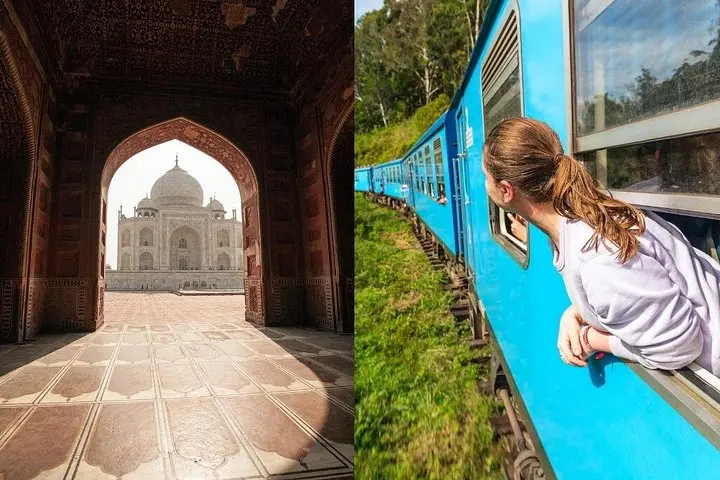

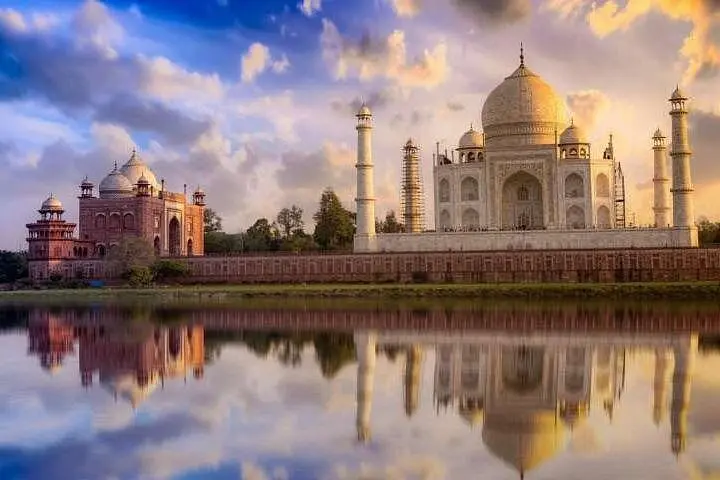
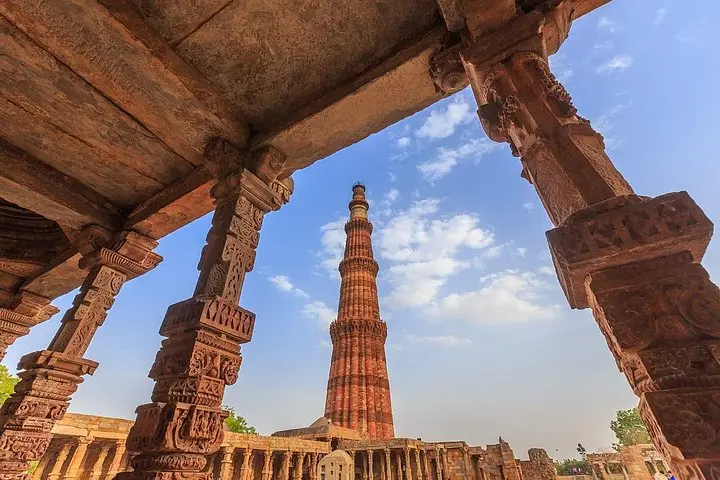
The morning platform hums as the Gatimaan Express eases out of Hazrat Nizamuddin — air-conditioned chairs, steaming chai carts and the countryside sliding by like an unfolding map. In five days the trip pushes through the rhythms of North India: Delhi’s layered streets and monuments, the Taj Mahal’s marble hush at sunrise, the red sandstone sweep of Agra Fort, and Jaipur’s hilltop forts and honeycombed palace façades.
The morning platform hums as the Gatimaan Express eases out of Hazrat Nizamuddin — air-conditioned chairs, steaming chai carts and the countryside sliding by like an unfolding map. In five days the trip pushes through the rhythms of North India: Delhi’s layered streets and monuments, the Taj Mahal’s marble hush at sunrise, the red sandstone sweep of Agra Fort, and Jaipur’s hilltop forts and honeycombed palace façades.
This route follows the pulse of Mughal and Rajput history. The Taj and Agra Fort sit on the alluvial Yamuna plain carved by centuries of river movement; Fatehpur Sikri stands abandoned on its hard, drought-prone soils — a reminder of water’s sway over kings. Jaipur, cut against the Aravalli foothills, was India’s first planned city, painted pink in the late 19th century to welcome a royal visitor. Markets are active classrooms: bargaining here is social ritual, spices and textiles offering immediate lessons in place and craft.
Practicalities matter: expect multiple short walks, some stair-climbing at monuments, and several hotel transfers. Sunrise at the Taj avoids crowds and heat; the Gatimaan Express saves travel hours and adds a comfortable, punctual rail experience. Carry photocopies of your passport, a reusable water bottle with filtration, sun protection, and shoes built for cobbles and temple steps. Guides on each stop handle logistics and tickets, but bring small cash for tips and market buys.
Travelers who balance curiosity with basic preparation will find the Golden Triangle both accessible and richly rewarding — a compact sweep of architecture, culture, and the quiet push and pull of history across open plains.