THE ADVENTURE COLLECTIVE® · Independent discovery and booking for outdoor travel

A private six-day loop through Delhi, Agra and Jaipur that pairs sunrise at the Taj Mahal with Rajput palaces and bustling old-city bazaars. Expect long drives, early mornings, and a guide-led schedule that makes each stop count.
A private six-day loop through Delhi, Agra and Jaipur that pairs sunrise at the Taj Mahal with Rajput palaces and bustling old-city bazaars. Expect long drives, early mornings, and a guide-led schedule that makes each stop count.
You step out into a dawn-lit Delhi street where the city hums like a living map: rickshaws thread through colonial avenues, while saffron-robed vendors arrange steaming chai. Over six days the route unfolds—Delhi’s layered monuments, Agra’s marble hush at sunrise, and Jaipur’s sandstone terraces—each place with its own rhythm and character.
Verified experiences and guided adventures in the surrounding area.
Operated by Same Day Tour Taj Mahal · New Delhi, Delhi
You step out into a dawn-lit Delhi street where the city hums like a living map: rickshaws thread through colonial avenues, while saffron-robed vendors arrange steaming chai. Over six days the route unfolds—Delhi’s layered monuments, Agra’s marble hush at sunrise, and Jaipur’s sandstone terraces—each place with its own rhythm and character.
This loop follows three pillars of India's imperial and regional history: Mughal architecture in Agra and Delhi, Rajput courtcraft in Jaipur, and the British-era urban planning that reshaped the capital. Geologically, the Gangetic plains cushion these cities; the Yamuna moves through Agra like a patient witness to centuries of change. Culturally, expect living crafts—stone inlay in Agra, block printing in Rajasthan, bazaars that trade in spices, textiles and street food. Fatehpur Sikri and Abhaneri reveal the ebb of political fortunes and water engineering from a pre-modern India.
Practical guidance: the itinerary covers long drives—Delhi to Agra about 3.5–4 hours, Agra to Jaipur 5–6 hours—so plan for early starts and brief rest stops. Taj Mahal is best at sunrise for light and smaller crowds; carry bottled water, a sun hat, and modest clothing for religious sites. Local transit includes a Chandni Chowk rickshaw and air-conditioned transfers between cities. Hotels are twin-share and breakfasts are included.
Bring comfortable walking shoes and patience: queues, bargaining, and narrow lanes are part of the rhythm. With a private guide and driver, the route is efficient but full of sensory contrasts—arid forts, river-swept vistas, and cities that refuse to slow down.
Admissions are not included by default in this itinerary; your guide will advise on ticket purchase and timing for sunrise visits.
Expect roughly 3.5–4 hours from Delhi to Agra, 5–6 hours from Agra to Jaipur, and 6–7 hours from Jaipur back to Delhi depending on traffic and stops.
Yes; airport and hotel pickup/drop-off and intercity transfers in an air-conditioned car are included in the tour package.
The tour is listed as physically easy but involves walking at monuments and stairs at forts; it is not recommended for those with serious spinal or cardiovascular conditions.
Same Day Tour Taj Mahal operates guided outdoor trips and adventures with an emphasis on safety, stewardship, and memorable experiences.
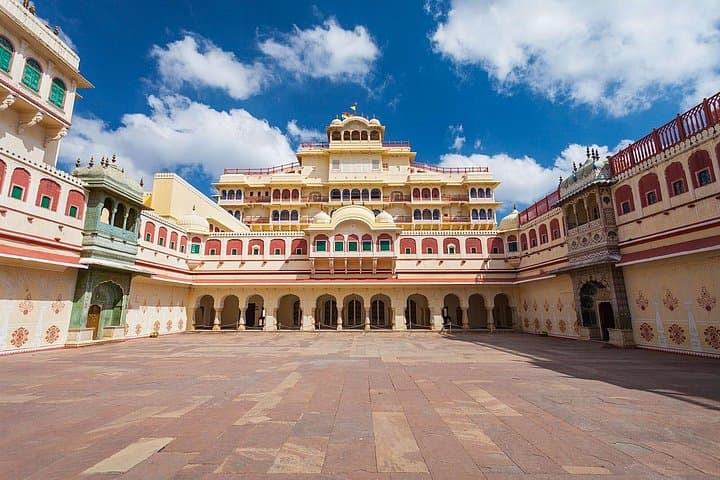
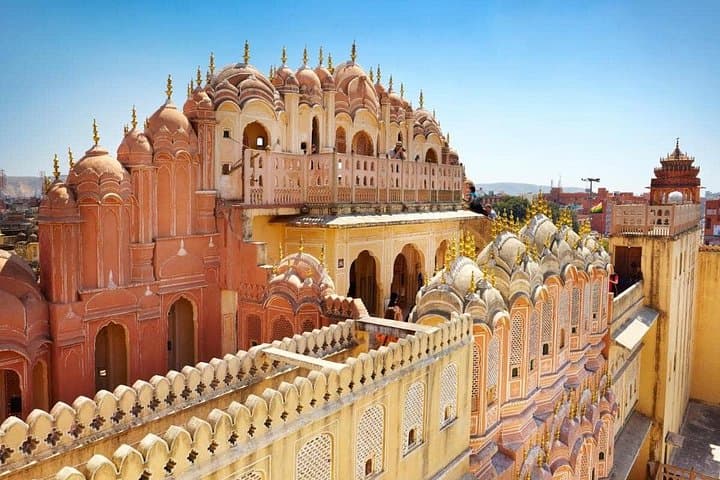
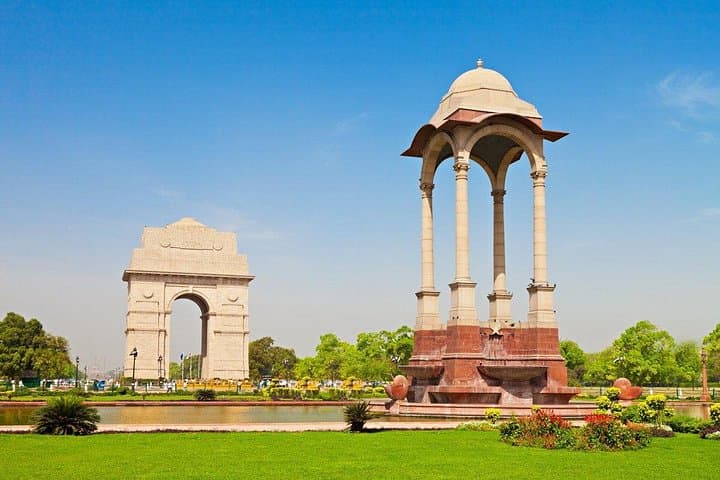
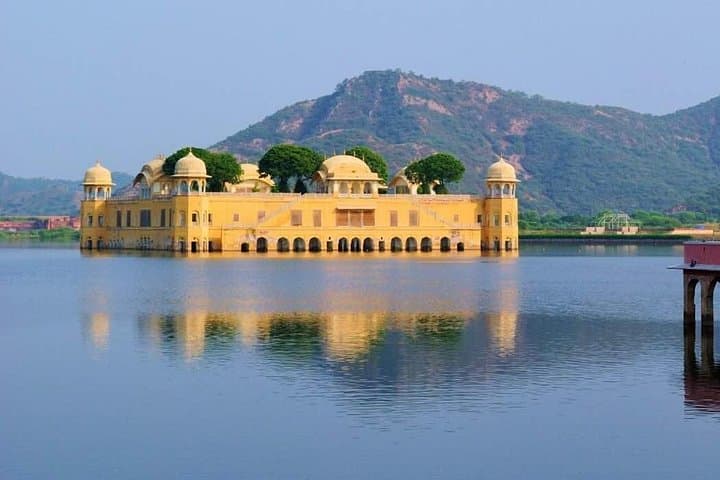
You step out into a dawn-lit Delhi street where the city hums like a living map: rickshaws thread through colonial avenues, while saffron-robed vendors arrange steaming chai. Over six days the route unfolds—Delhi’s layered monuments, Agra’s marble hush at sunrise, and Jaipur’s sandstone terraces—each place with its own rhythm and character.
You step out into a dawn-lit Delhi street where the city hums like a living map: rickshaws thread through colonial avenues, while saffron-robed vendors arrange steaming chai. Over six days the route unfolds—Delhi’s layered monuments, Agra’s marble hush at sunrise, and Jaipur’s sandstone terraces—each place with its own rhythm and character.
This loop follows three pillars of India's imperial and regional history: Mughal architecture in Agra and Delhi, Rajput courtcraft in Jaipur, and the British-era urban planning that reshaped the capital. Geologically, the Gangetic plains cushion these cities; the Yamuna moves through Agra like a patient witness to centuries of change. Culturally, expect living crafts—stone inlay in Agra, block printing in Rajasthan, bazaars that trade in spices, textiles and street food. Fatehpur Sikri and Abhaneri reveal the ebb of political fortunes and water engineering from a pre-modern India.
Practical guidance: the itinerary covers long drives—Delhi to Agra about 3.5–4 hours, Agra to Jaipur 5–6 hours—so plan for early starts and brief rest stops. Taj Mahal is best at sunrise for light and smaller crowds; carry bottled water, a sun hat, and modest clothing for religious sites. Local transit includes a Chandni Chowk rickshaw and air-conditioned transfers between cities. Hotels are twin-share and breakfasts are included.
Bring comfortable walking shoes and patience: queues, bargaining, and narrow lanes are part of the rhythm. With a private guide and driver, the route is efficient but full of sensory contrasts—arid forts, river-swept vistas, and cities that refuse to slow down.